







The headlining feature of 5G is gigabit speeds. “You can download an entire movie in seconds”, the ads read, but there’s a lot more to 5G than would initially meet the eye. You might be surprised to hear that one of the biggest problems 5G solves isn’t speed, it’s capacity. Simply handling the demands of hundreds of crores of people each with not one but two phones, a smartwatch, a tablet, laptops, and more, is in itself a challenge.
Then throw in the demands of millions of IoT devices such as smart sensors and the like in public use, and you’re only starting to get an idea of just how astronomical the demands on our cellular networks are. 5G is incredibly fast, yes, but it’s also incredibly efficient and an essential evolution of 4G.
There are two categories of 5G
To get the obvious out of the way, yes, 5G is much faster than 4G, but there are some caveats that apply. Cellular networks are essentially radio waves, and when transmitting data over radio waves, all you need to know is that higher frequency waves carry more data but have less penetration through obstacles. The reverse is true for low frequency waves. If you’ve used dual-band Wi-Fi, you’ll have noticed that you get the best speeds from the 5GHz Wi-Fi channels but the lowest range. It’s a similar situation with 5G.
4G and 5G both primarily operate in the 700 MHz to 2.5 GHz range. In this range, both networks offer similar speeds and you won’t notice a significant difference in 4G and 5G performance. However, since 5G is much more efficient, 5G tends to be faster in more congested areas and can offer a slight boost to network performance even in less congested areas.
In addition, 5G in India also operates in the 3.3 GHz band (called sub-6), which is much faster than 4G’s fastest band, allowing 5G networks to deliver ridiculous speeds in excess of 300 MBps. Lastly, 5G can also operate in the so called mmWave bands (26 GHz in India), where you’ll see speeds in excess of 1 Gbps. Again, given the high frequency, mmWave coverage is very low and is easily blocked by trees, windows, and other obstacles.
ALSO READ: Revisiting the most iconic Nokia phones, from sliders to flippers
Most 5G devices sold in India only support sub-6 5G or up to the 3.3 GHz band. This means that you will not see those promised 1 Gbps+ speeds that 5G is advertised to offer.
Realistically, choosing 5G over 4G will give you no immediately obvious benefit, but its improved efficiency and performance does lead to a slightly speedier and significantly more stable cellular experience despite the increase in congestion from an increasing number of internet-connected devices.
5G has lower latency
Another, more important factor when considering network speed is its responsiveness. In other words, how quickly the network can accommodate your device’s request for data. Say you’re playing BGMI, you’re continuously transmitting and receiving data. The longer this transmit-receive cycle takes (also called latency), the laggier your game feels. In an ideal situation, 4G will have a latency of about 50 ms and 5G’s latency will be nearer 10 ms (4-5x faster). This is huge not just for gaming on the go, but for other applications including real-time drone control and robotics and more.
ALSO READ: Flip phones vs Foldable phones: What’s the difference?
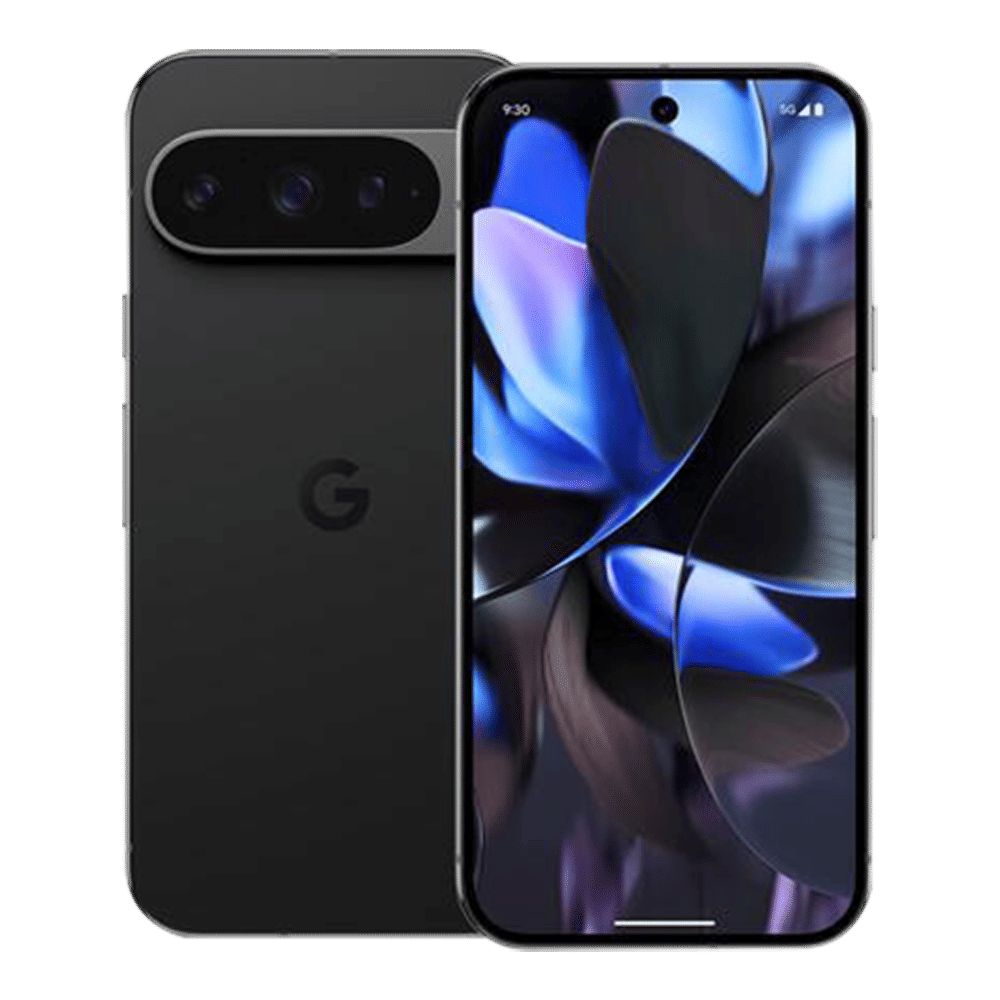
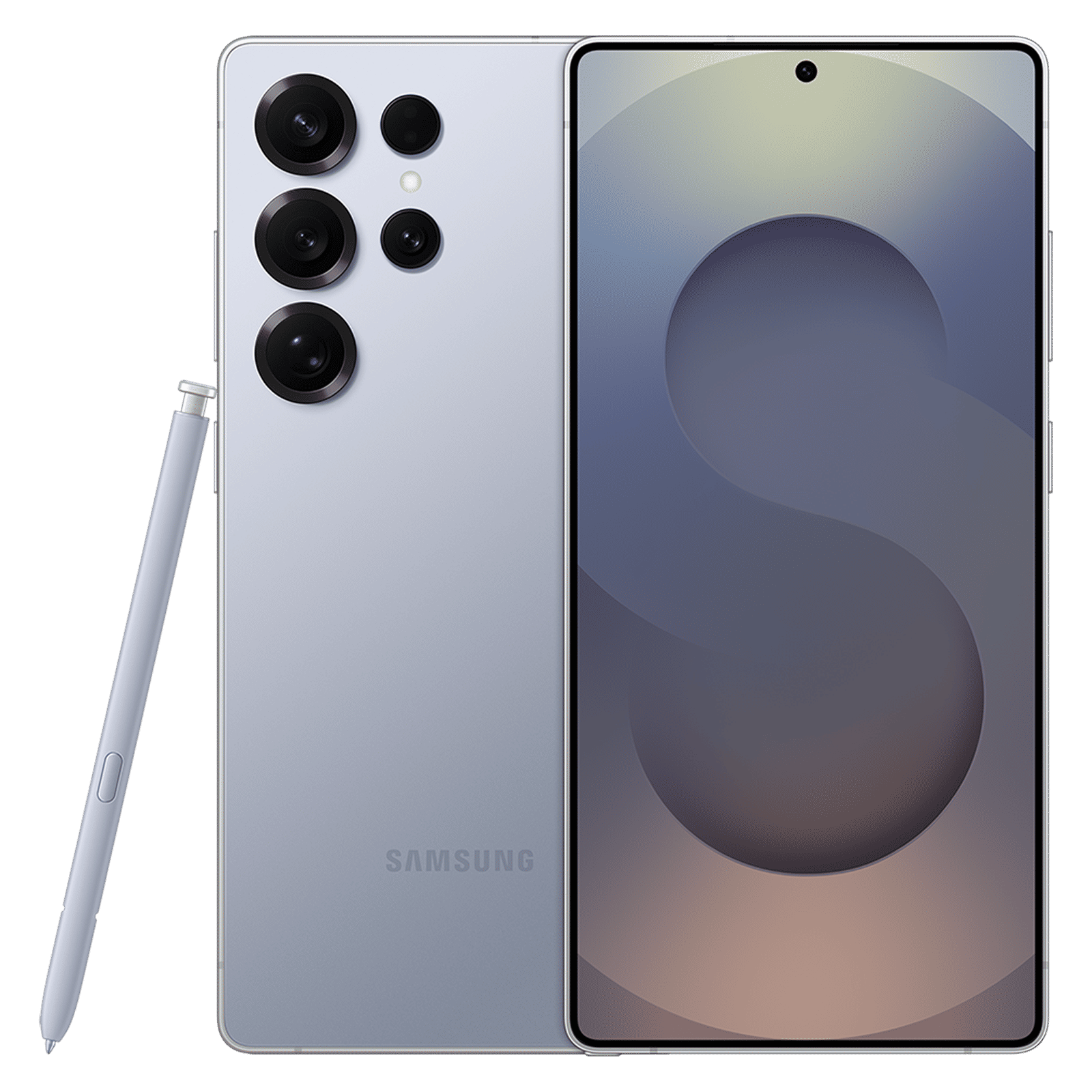
To put it even more simply, 4G enabled high-speed internet access and streaming while 5G is the tech that enables true real-time applications like multiplayer gaming and building capacity for IoT-powered smart cities and the like. Most phones today support sub-6 5G, which is plenty for most users. mmWave support is primarily found in a handful of flagship phones, but it’s a feature that can be largely ignored owing to the limited to non-existent mmWave coverage in India.

Unleash your inner geek with Croma Unboxed
Subscribe now to stay ahead with the latest articles and updates
You are almost there
Enter your details to subscribe

Happiness unboxed!
Thank you for subscribing to our blog.
Disclaimer: This post as well as the layout and design on this website are protected under Indian intellectual property laws, including the Copyright Act, 1957 and the Trade Marks Act, 1999 and is the property of Infiniti Retail Limited (Croma). Using, copying (in full or in part), adapting or altering this post or any other material from Croma’s website is expressly prohibited without prior written permission from Croma. For permission to use the content on the Croma’s website, please connect on contactunboxed@croma.com
- Related articles
- Popular articles
Anirudh Regidi
Comments