







Apple turning 50 feels like more than just a tech company’s anniversary. In many ways, it is a marker for how far consumer technology has come. From chunky desktop computers and MP3 players to smartphones, wearables, and custom silicon, Apple has spent the last five decades shaping not just devices, but the way people interact with them.
Of course, Apple’s story is not simply about being first. More often, it has been about knowing when a category is ready to click with ordinary users. Apple has repeatedly taken ideas that felt niche, awkward, or unfinished and turned them into products that felt polished, accessible, and culturally relevant.
That is why Apple’s 50th anniversary is worth reflecting on. Not because every product was perfect, but because its biggest moments often ended up becoming tech industry turning points too. These are 10 of the milestones that best capture Apple’s storied journey.
1977: Apple II made personal computing feel possible
Long before the iPhone or MacBook became household names, the Apple II laid the foundation for Apple’s future. It was one of the earliest computers to feel less like a specialist machine and more like something that could genuinely belong in a home, school, or small office.
What made it so important was not just the hardware, but the way it packaged computing for a wider audience. It came pre-assembled, included a built-in keyboard, and offered colour graphics at a time when that still felt novel. Compared to many of the machines around it, the Apple II felt far more approachable.
And that truly helped Apple move beyond hobbyist circles and into mainstream awareness. In hindsight, this was the first real sign that computing could become a personal, everyday part of life.
1984: The Macintosh changed how people saw computers
In the computational realm once again, the original Macintosh was not the most powerful computer of its era, but it may have been one of the most important. It helped bring the graphical user interface, icons, windows, and mouse-driven navigation into a more accessible consumer form.
The Mac suggested that technology could be something you explored visually rather than something you had to command through lines of text and rigid menus.
And then there was the marketing. Apple’s “1984” Super Bowl ad did not just promote a product, it established a brand identity that would stay with the company for decades. Creative, independent, and just a little theatrical, the Apple image really started to take shape here.
1997: Steve Jobs’ return gave Apple a second chapter
By the mid-1990s, Apple had lost much of its momentum. Its product lineup had become confusing, its identity felt diluted, and the company was struggling to define its place in a rapidly changing tech market.
Steve Jobs’ return marked a dramatic shift in direction. One of his biggest contributions was not simply launching new products, but restoring clarity. Apple’s sprawling lineup was cut back, priorities became sharper, and the company started to feel focused again.
ALSO READ: 5 inspiring Steve Jobs quotes that ring true in Apple devices even today
This period also laid the groundwork for the Apple most people know today.
1998: The iMac G3 made technology feel stylish
The iMac G3 was a major statement, and not just because it came in translucent Bondi Blue. At a time when most desktop computers looked like forgettable beige office equipment, Apple introduced a machine that felt colourful and playful.
The iMac mattered because it proved that industrial design could be part of a product’s appeal. It was internet-ready, easy to set up, and clearly designed for ordinary consumers rather than just workplaces or power users.
It also showed Apple’s willingness to push users toward the future before everyone was comfortable with it. The floppy drive was gone, USB was in, and that sort of design confidence would become a defining Apple trait over the years.
2001: The iPod turned Apple into a pop culture giant
If the iMac revived Apple, the iPod transformed it. This was the product that took Apple from a well-regarded computer brand to a mainstream consumer electronics powerhouse.
Portable music players already existed, but most felt clunky, awkward, or joyless to use. The iPod made the whole experience cleaner, simpler, and far more desirable. It looked good, worked smoothly, and crucially, fit into people’s lives without much friction.
ALSO READ: Macintosh to iPhone X: Iconic Apple gadgets that shaped the world we live in
The phrase “1,000 songs in your pocket” became iconic for a reason.
2003: The iTunes Store changed how music was bought
The iPod’s rise was closely tied to another major Apple moment: the launch of the iTunes Store. At a time when the music industry was still trying to figure out the digital era, Apple offered a legal way to buy songs that was simple enough to actually compete with piracy.
That was no small feat. Digital music in the early 2000s was often messy, fragmented, and frustrating. Apple’s genius was not inventing the idea of downloadable music, but making it feel smooth and mainstream.
This was also an early glimpse of Apple’s long-term ecosystem strategy. The iPod, iTunes software, and the store all worked together in a way that made users more likely to stay within Apple’s orbit. That formula would only get more powerful from here.
2007: The original iPhone defined the modern phone
There are few moments in consumer tech as significant as the launch of the first iPhone. Even if it was missing features we now take for granted, it completely changed what people expected from a phone.
Before the iPhone, smartphones often felt like business tools with cramped keyboards and clunky software. Apple approached the category differently, treating the phone more like a pocket computer built around a touchscreen interface that actually felt intuitive.
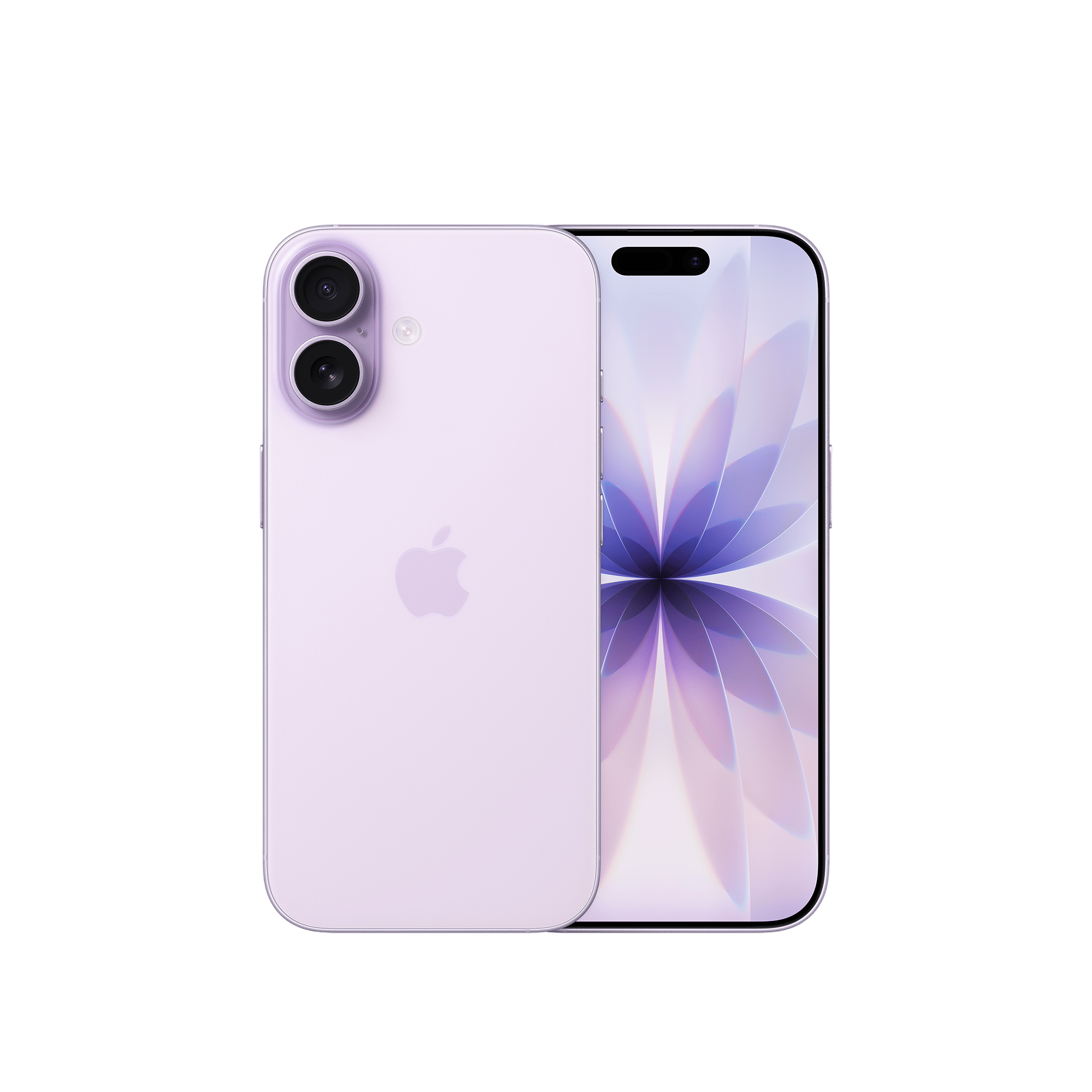
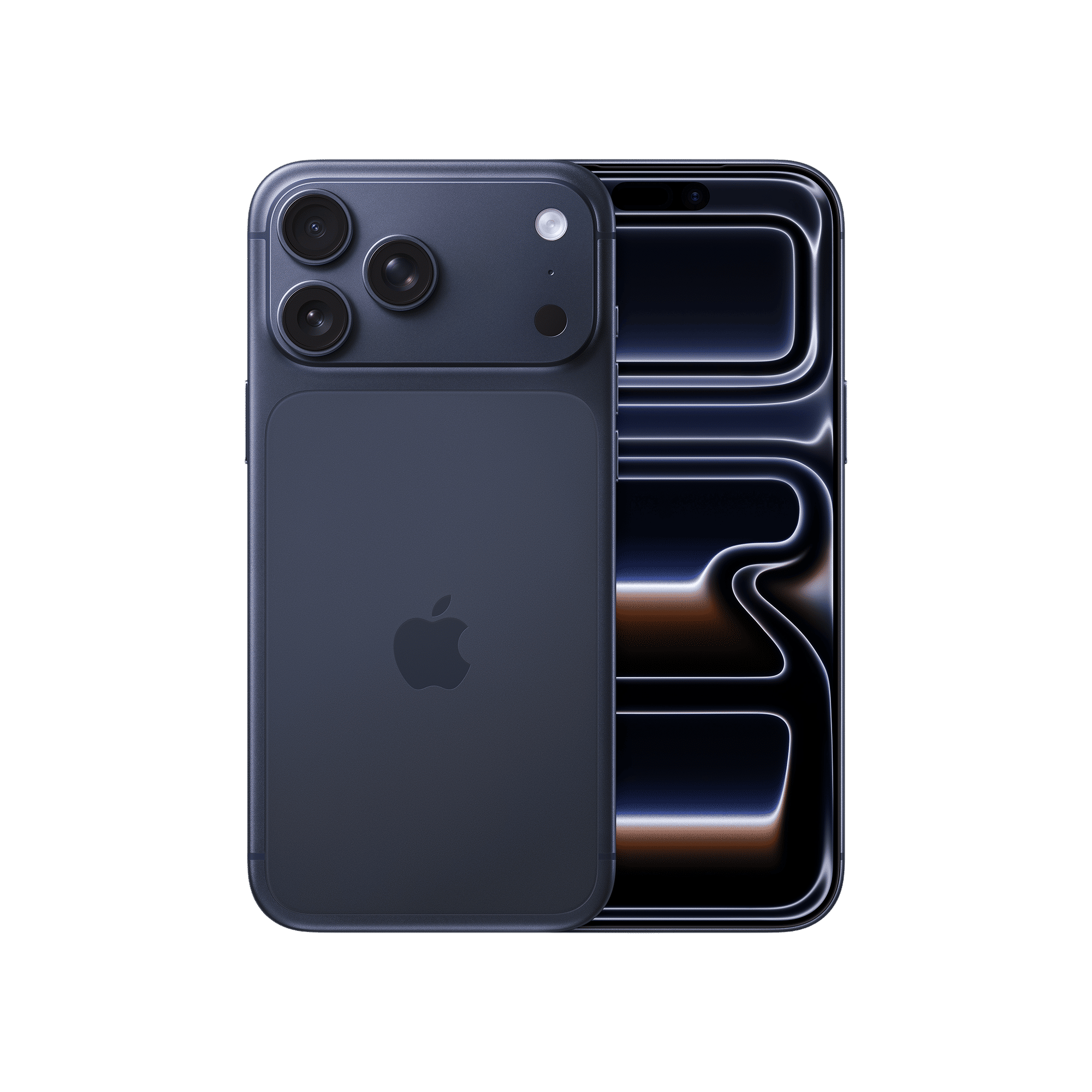
That shift was enormous. The iPhone did not just become a hit product, it effectively reset the direction of the entire mobile industry.
2008: The App Store made Apple a platform company
The iPhone was already compelling on its own, but the App Store is what made it endlessly expandable. Suddenly, the phone was not just what Apple shipped, it was what developers and users could keep turning it into.
ALSO READ: Every iPhone ranked: From the original iPhone to the iPhone 17 Pro Max
That made the iPhone far more powerful as a long-term platform. It gave users access to everything from games and productivity tools to social apps and photo editors, all in one central place. It also helped create the mobile app economy as we know it today.
2014: The Apple Watch opened a new chapter under Tim Cook
The Apple Watch was significant for more than just what it did, it represented Apple’s first major new product category after Jobs. That alone made it a closely watched launch.
At first, the product felt like it was balancing several identities at once: fashion accessory, iPhone companion, and fitness tracker. But over time, Apple refined the idea and found the watch’s real strengths in health, wellness, and convenience.
That evolution has made it one of Apple’s most important long-term products. It also helped normalise wearables in a more meaningful way, moving them from novelty to something many users now rely on every day.
2020: Apple Silicon brought the Mac into a new era
By 2020, the Mac remained important, but it no longer felt like the centre of Apple’s universe. Then came Apple Silicon, and suddenly the Mac had fresh momentum again.
The move away from Intel to Apple’s own chips, starting with the M1, was one of the company’s most significant platform shifts in years. The results were immediately clear; the new Macs had excellent battery life, strong performance, instant responsiveness, and a level of efficiency that felt genuinely modern.
What made this so important was that it reminded people that Apple still knew how to make bold, foundational decisions that could reshape an entire product line. And in doing so, it made the Mac feel exciting again.
Apple at 50 still feels like Apple
At its best, Apple has never really sold technology as technology. It has sold convenience, confidence, aspiration, and increasingly, familiarity. Its most important moments are not always the flashiest ones, but the ones where a new piece of tech suddenly starts to feel obvious in hindsight.
That is, perhaps, Apple’s real legacy at 50. Not just building influential products, but repeatedly helping shape what modern consumer technology is supposed to feel like.
What’s your favourite Apple moment? Drop a comment to let us know.

Unleash your inner geek with Croma Unboxed
Subscribe now to stay ahead with the latest articles and updates
You are almost there
Enter your details to subscribe

Happiness unboxed!
Thank you for subscribing to our blog.
Disclaimer: This post as well as the layout and design on this website are protected under Indian intellectual property laws, including the Copyright Act, 1957 and the Trade Marks Act, 1999 and is the property of Infiniti Retail Limited (Croma). Using, copying (in full or in part), adapting or altering this post or any other material from Croma’s website is expressly prohibited without prior written permission from Croma. For permission to use the content on the Croma’s website, please connect on contactunboxed@croma.com
- Related articles
- Popular articles
Dhriti Datta
Comments