







“I’ve never liked fans blowing directly on me,” exclaims Sundar Muruganandhan with a chuckle. “I used to reduce the speed or switch them off when I walked into a room.” So, when – as the managing director of Coimbatore-based motor control systems company Versa Drives – he told his wife he was thinking of designing a better fan, something more efficient, more thoughtfully engineered, her response was deadpan: “You don’t even like fans.”
It was around 2010 that the idea first took flight. A casual conversation at a conference with Freescale Semiconductors’ India head planted a seed: what if Versa Drives developed motor drives for ceiling fans using brushless DC motors – or BLDCs? Around the same time, Tamil Nadu was struggling with 10-hour power cuts daily. When a colleague stumbled upon a report by the Pune-based NGO Prayas, detailing how much electricity India could save by switching to more efficient fans, it sealed the deal.
But there was a problem. There were no BLDC motors available for ceiling fans. So, the team at Versa Drives decided to build their own. From scratch. The result was a fan using BLDC motor that consumed just 35 watts of energy (compared to the 75-watt standard at the time) while maintaining strong air circulation. And it came to be known as ‘Superfan’ – a snappy abbreviation of “Super Energy Efficient Ceiling Fan.”
So, what exactly is a BLDC fan?
Imagine a regular ceiling fan as a bicycle where the rider pedals furiously (and inefficiently) even when going downhill. A BLDC fan, in contrast, uses magnets in its rotor, eliminating the need for energy-hungry induction and allowing for smoother, more efficient operation. In other words, less electricity wasted spinning things that don’t need spinning.
While Superfan pioneered this technology in India, it wasn’t smooth sailing at first. Retailers were skeptical, consumers confused. “People thought if it was just 35 watts, it wouldn’t [circulate enough] air,” relates Dr Mayur Sundararajan, business head at Versa Drives.
But over time, trust built. As did the fact that institutional buyers and eco-conscious customers loved the idea of a fan made completely in India, from the motor to the mould. And they weren’t alone for long.
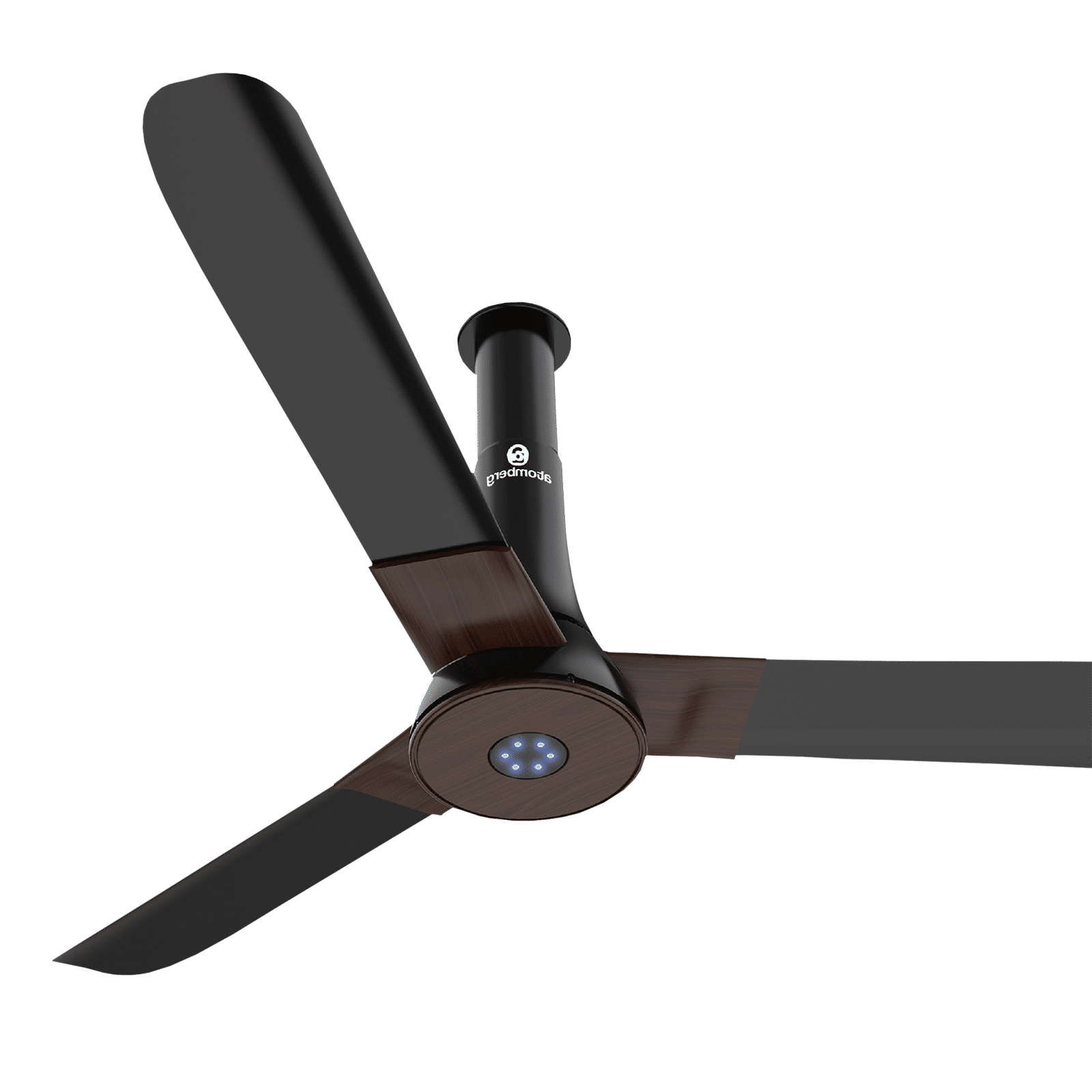
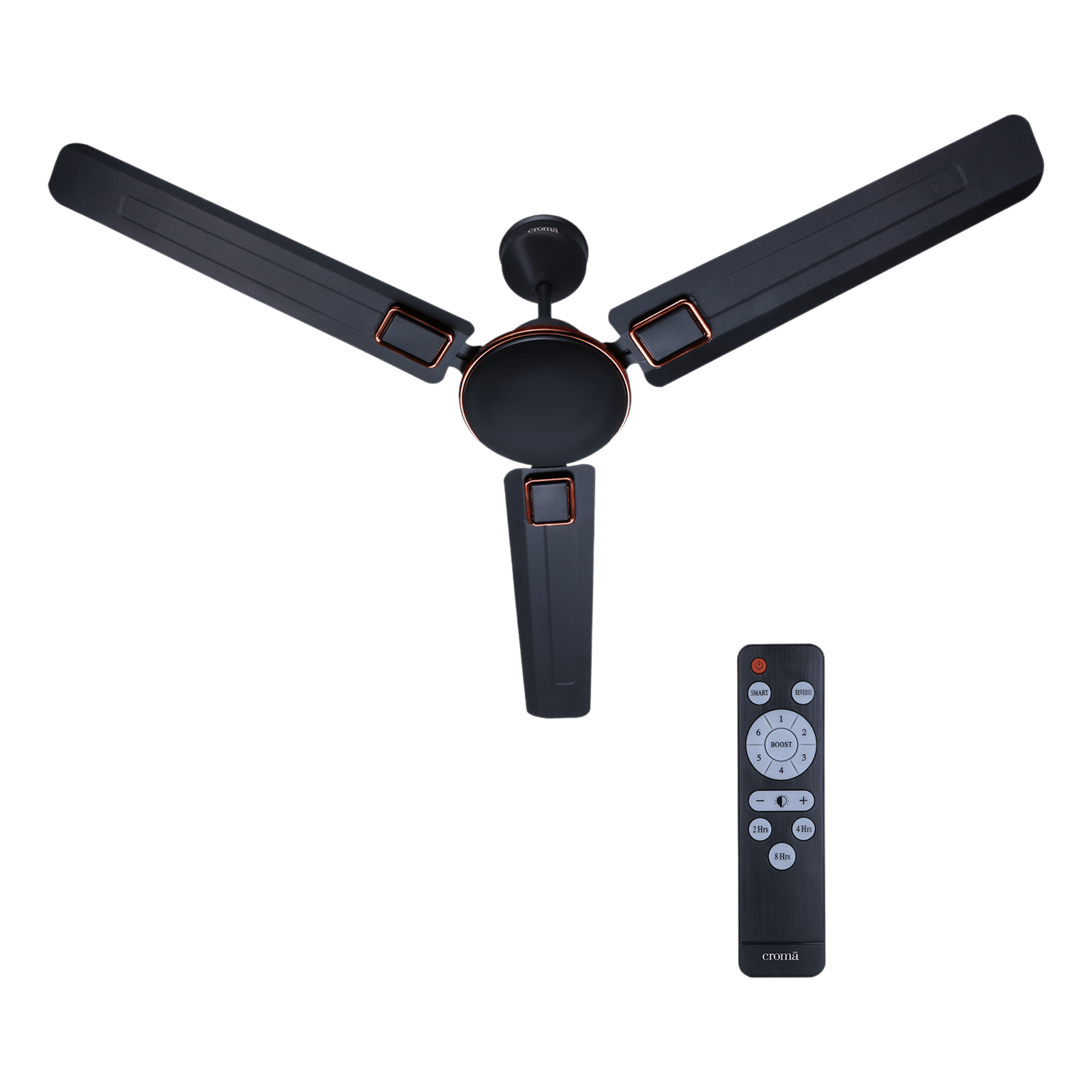
As energy-saving regulations tightened and awareness grew, a wave of new players entered the market. Startups like Atomberg, for instance, built their entire brand around BLDC technology, combining it with smart features, sleek design, and aggressive digital marketing.
Larger appliance brands like Crompton, Havells, and Orient also jumped on the BLDC bandwagon, launching their own variants to meet the Bureau of Energy Efficiency’s (BEE) revised efficiency standards.
Adoption accelerated further when the BEE introduced new star ratings in 2022, making it mandatory for ceiling fans to meet stricter efficiency criteria. According to industry estimates, BLDC fans can save up to 60 per cent more electricity than regular induction motor fans – translating to lower bills and reduced grid load, especially in regions where ceiling fans run for hours every day.
For context: a traditional ceiling fan consumes around 75 watts. A well-designed BLDC fan consumes just 28 to 35 watts while delivering comparable or better air flow. That energy saving, multiplied across millions of homes, adds up to a national impact. And, it’s not just homes – government institutions, schools, and railway offices are increasingly adopting BLDC fans for their long-term cost and energy savings.
From niche invention to national necessity!
The quiet engineering revolution that began in Coimbatore has since become a nationwide movement. While Superfan may have lit the fuse, the momentum has only grown. In the past decade, BLDC fans have gone from niche to necessity – fuelled by rising electricity costs, increasing environmental awareness, and a policy shift that favours sustainable design.
Today, consumers walk into stores or scroll through e-commerce sites actively seeking these energy-saving upgrades to a household staple, often comparing noise levels, airflow, smart features, and energy ratings.
Adoption of BLDC fans accelerated with new star ratings, making it mandatory for fans to meet stricter efficiency criteria
What started as a tech-forward solution to a state-level power crisis is now a marker of responsible consumption and a symbol of everyday efficiency. From urban apartments and bungalows to tier-2 townhomes and government buildings, BLDC fans have quietly claimed the ceiling. And the story is still unfolding.
In 2012, BLDC fans accounted for less than 1 per cent of the Indian ceiling fan market. Today, that number is estimated to have crossed 20 per cent, with projections suggesting it could dominate over half the market within the next five years. What began as a quiet engineering solution to chronic power cuts has morphed into a nationwide shift in how we think about everyday efficiency.
Because maybe that’s the real revolution: not in the gadgets that dazzle or the screens that demand attention – but in the silent machines that work around us, hour after hour, without fuss or fanfare. Saving energy, yes, but also reimagining what it means to live smarter.
Ela Das is a Mumbai-based writer who writes about art, design and culture.

Unleash your inner geek with Croma Unboxed
Subscribe now to stay ahead with the latest articles and updates
You are almost there
Enter your details to subscribe

Happiness unboxed!
Thank you for subscribing to our blog.
Disclaimer: This post as well as the layout and design on this website are protected under Indian intellectual property laws, including the Copyright Act, 1957 and the Trade Marks Act, 1999 and is the property of Infiniti Retail Limited (Croma). Using, copying (in full or in part), adapting or altering this post or any other material from Croma’s website is expressly prohibited without prior written permission from Croma. For permission to use the content on the Croma’s website, please connect on contactunboxed@croma.com
- Related articles
- Popular articles
Ela Das
Comments