







Televisions were once fairly uncomplicated, and you didn’t have to look at much beyond the size and brand when picking a new TV set. Today’s TVs are much more complex, with various things to keep in mind when choosing, and wide ranging budgets to consider. Features such as screen size, smart connectivity and operating system, and speakers are all still relevant, but there’s one key factor that dictates the most important aspect of any TV, as well as how much it will cost – the display technology.
There are a few display technologies worth noting in televisions today, but three of these are the most common and widespread among both brands and buyers – LED, Quantum dot (QLED), and OLED.
ALSO READ: Best OLED TVs in India in 2025
Which one you pick will largely depend on your buying preferences and other key factors such as budget, space in your viewing room, and the kind of content you want to watch on the TV. Read on to find out the key differences and features of these important display technologies for TVs.
LED vs OLED vs QLED TV: Differences explained
LED TVs
In modern TVs, LED typically refers to a TV with a liquid crystal display (LCD), and light emitting diodes (LED) for backlighting. These are a step ahead of the CCFL-backlit LCD TVs which were popular a few years ago. These TVs are slim, come with most current-generation connectivity options, and available in various sizes ranging from small-screen options under 32 inches to very big TVs, and are found in varied resolutions ranging from HD to Ultra-HD.
LED-LCD display technology is the most common among current-generation options, and is usually found on televisions positioned as affordable and entry-level for flat-screen TVs. These TVs can also get quite bright, although the backlighting and specifics of the technology means that this affects the contrast and black levels of the TV.
QLED TVs
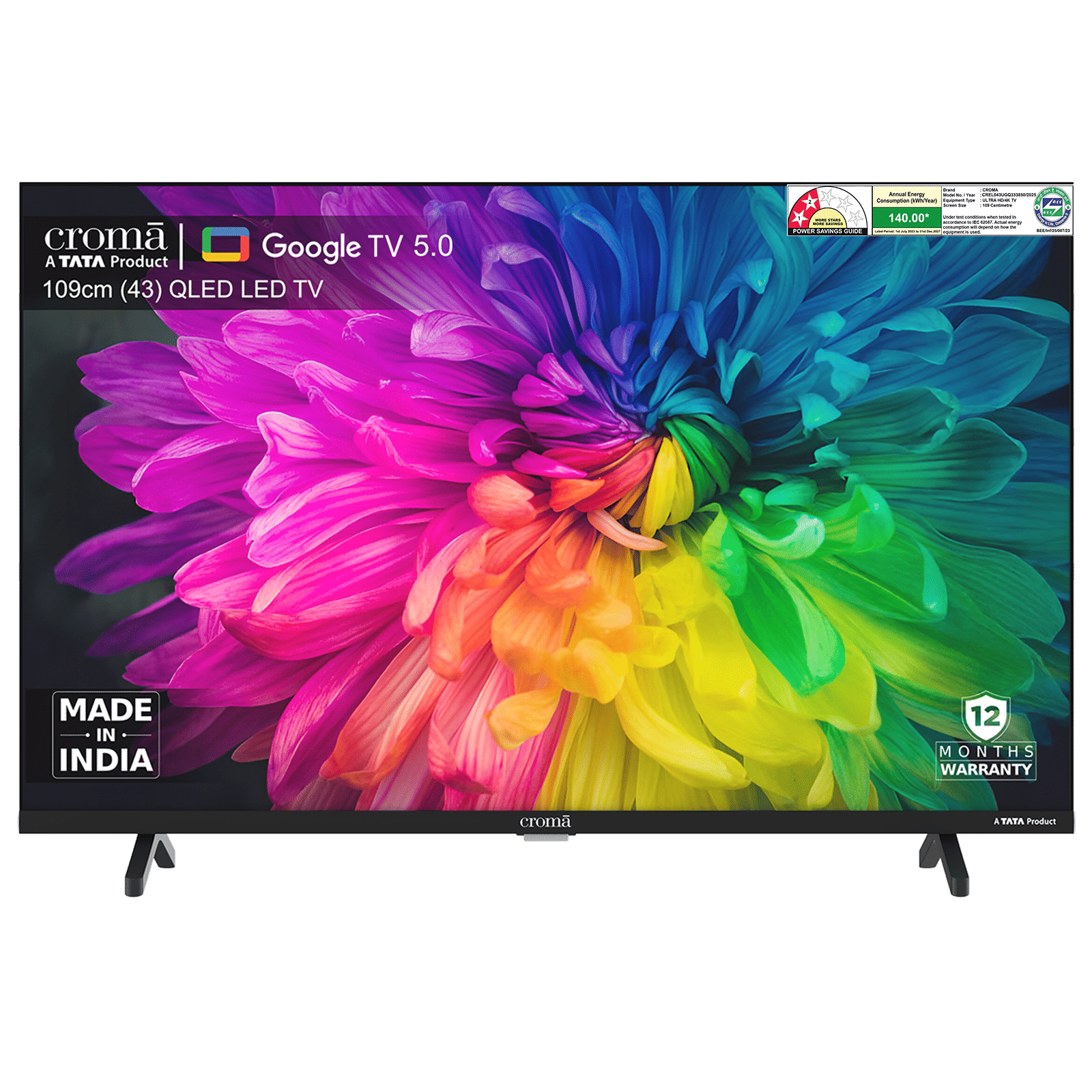
Although this technology is popularly known as QLED, the correct name for the technology is quantum-dot LED; QLED is a trademark by Samsung for its quantum-dot LED TVs. The actual technology behind QLED is similar to LED TVs, as these use a similar LED-backlit LCD panel. The difference here is the use of a quantum-dot filter, which affects the light before it reaches the liquid crystal display. This filter delivers better colour volume at varying brightness levels, thus offering better picture quality than typical LED TVs.
ALSO READ: Best QLED TV brands in India right now
Quantum-dot LED TVs are available from various brands, although these are marketed differently; Samsung uses the QLED branding for its own TVs as well as brands which license the technology, while Sony markets its quantum-dot TVs as Triluminos. This technology is a step up from regular LED, and is available in various budgets going from mid-range to very high-end, depending on the screen size, brightness, and picture calibration. Quantum-dot LED TVs are usually only available in larger screen sizes and resolutions.
OLED TVs
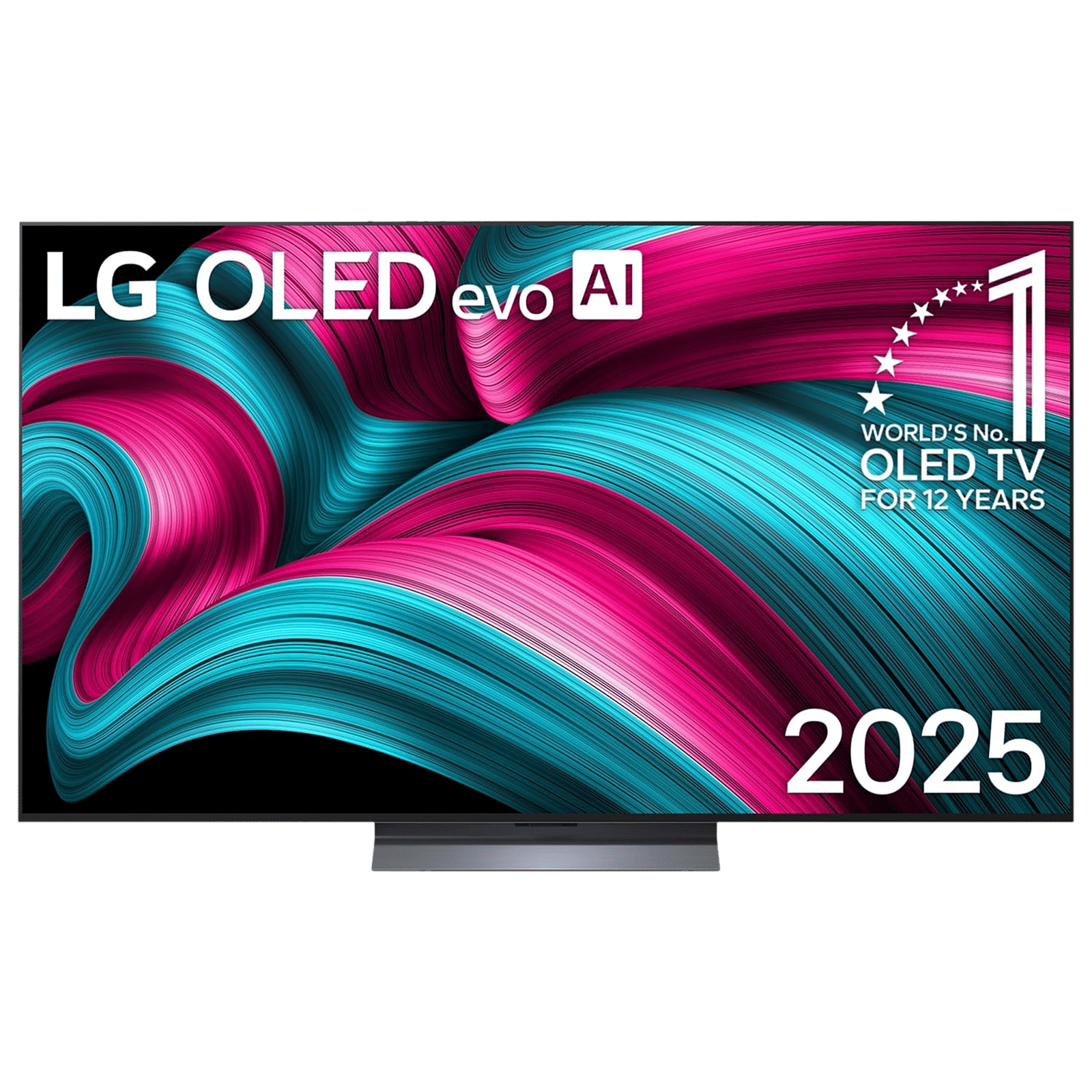
A notably more premium display technology than LED and even many QLED models, OLED (organic light emitting diode) uses a system where there is no dedicated backlighting. Instead, each individual pixel in an OLED TV produces its own backlighting thanks to the organic properties of the display. This allows for pixels to switch off entirely or produce faint light and colours as needed, thus producing more accurate colour and contrast levels, as well as superior black levels in TVs.
OLED TVs are usually only available in large screen sizes and at high resolutions (Ultra-HD or higher), and are priced at a premium because of the high cost of producing large OLED panels. Only a handful of brands are present in the OLED TV space (such as LG, Sony, and Samsung), but these TVs are well known for their superior picture quality and performance.

Unleash your inner geek with Croma Unboxed
Subscribe now to stay ahead with the latest articles and updates
You are almost there
Enter your details to subscribe

Happiness unboxed!
Thank you for subscribing to our blog.
Disclaimer: This post as well as the layout and design on this website are protected under Indian intellectual property laws, including the Copyright Act, 1957 and the Trade Marks Act, 1999 and is the property of Infiniti Retail Limited (Croma). Using, copying (in full or in part), adapting or altering this post or any other material from Croma’s website is expressly prohibited without prior written permission from Croma. For permission to use the content on the Croma’s website, please connect on contactunboxed@croma.com
- Related articles
- Popular articles
Ali Pardiwala
Comments