







Wireless networks — Bluetooth, 4G, Wi-Fi, etc. — can be broadly classified into three categories based on the range of the network. These would be the personal area network (PAN), local area network (LAN), and wide area network (WAN).
As the names indicates, PAN usually refers to standards like Bluetooth, which are used to connect personal devices such as wireless earphones, keyboards, game controllers, and more. A LAN would comprise the Wi-Fi network you use in your home, at your office, or in a mall; and lastly, a WAN would be any kind of city-scale or large scale network ranging from cellular data (4G and 5G) all the way to global satellite networks and more.
ALSO READ: What is VoWiFi?
Identifying and classifying networks within each of those categories will be way beyond the scope of this article, so for now we’ll focus on home Wi-Fi and the various standards you need to be familiar with.
Types of wireless networks (Wi-Fi):
802.11 a/b/g or Wi-Fi 1/2/3: These are legacy standards that you’ll find in much older routers and devices. You can also think of these standards as Wi-Fi 1, Wi-Fi 2, and Wi-Fi 3. The fastest of these standards only allowed for a maximum transfer rate of 54 Mbps, which is barely enough for internet access on a handful of devices.
802.11 n or Wi-Fi 4: Also known as Wi-Fi 4, the ‘n’ standard was a huge leap forward and the first to offer dual-band Wi-Fi. Wi-Fi 4 allowed routers to transmit data on both the 2.4 GHz and 5 GHz bands, offering either range or throughput depending on the requirements. The maximum data transfer speed was limited to around 300-450 Mbps though the network was theoretically capable of 600 Mbps.
802.11 ac or Wi-Fi 5: This protocol largely focused on the 5 GHz band is why we are today so comfortable with gaming over a Wi-Fi network. The speeds were boosted to a theoretical 1 Gbps+ with a dramatic drop in latency as well. This standard allowed for even mode devices to communicate via the same router and improved the efficiency of data transmission. 802.11 n and ac are the two most popular Wi-Fi standards in use in India today.
802.11 ax or Wi-Fi 6: Wi-Fi 6 is fast-replacing 802.11 ac owing to a huge improvement in bandwidth (to 9.6 Gbps) and efficiency. There were some legal and regulatory hurdles slowing down its acceptance at first, but these have largely been resolved. Wi-Fi 6 is great for home networks, but has particular benefits for IoT or internet connected gadgets thanks to features like Target Wake Time (TWT), and other technologies that allow an even larger number of devices on the same network.
ALSO READ: Tips and tools for assessing your Wi-Fi network’s performance
802.11 be or Wi-Fi 7: Lastly, we have Wi-Fi 7. This upcoming standard introduces a new 6 GHz band and theoretically boosts speed to a whopping 46 Gbps. When implemented properly, we could finally end up with a network that fully replaces wired connections thanks to massive improvements to speed and stability.
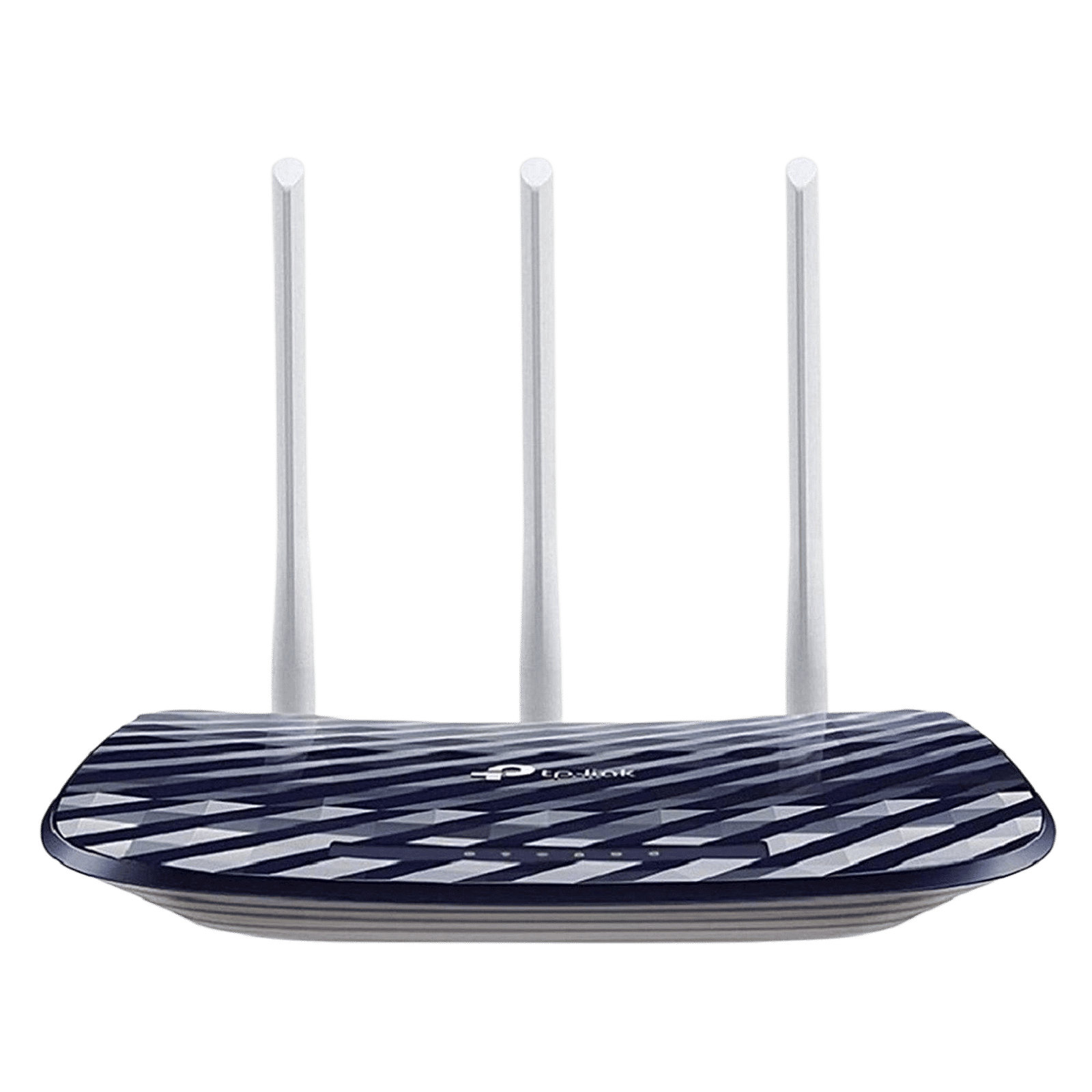
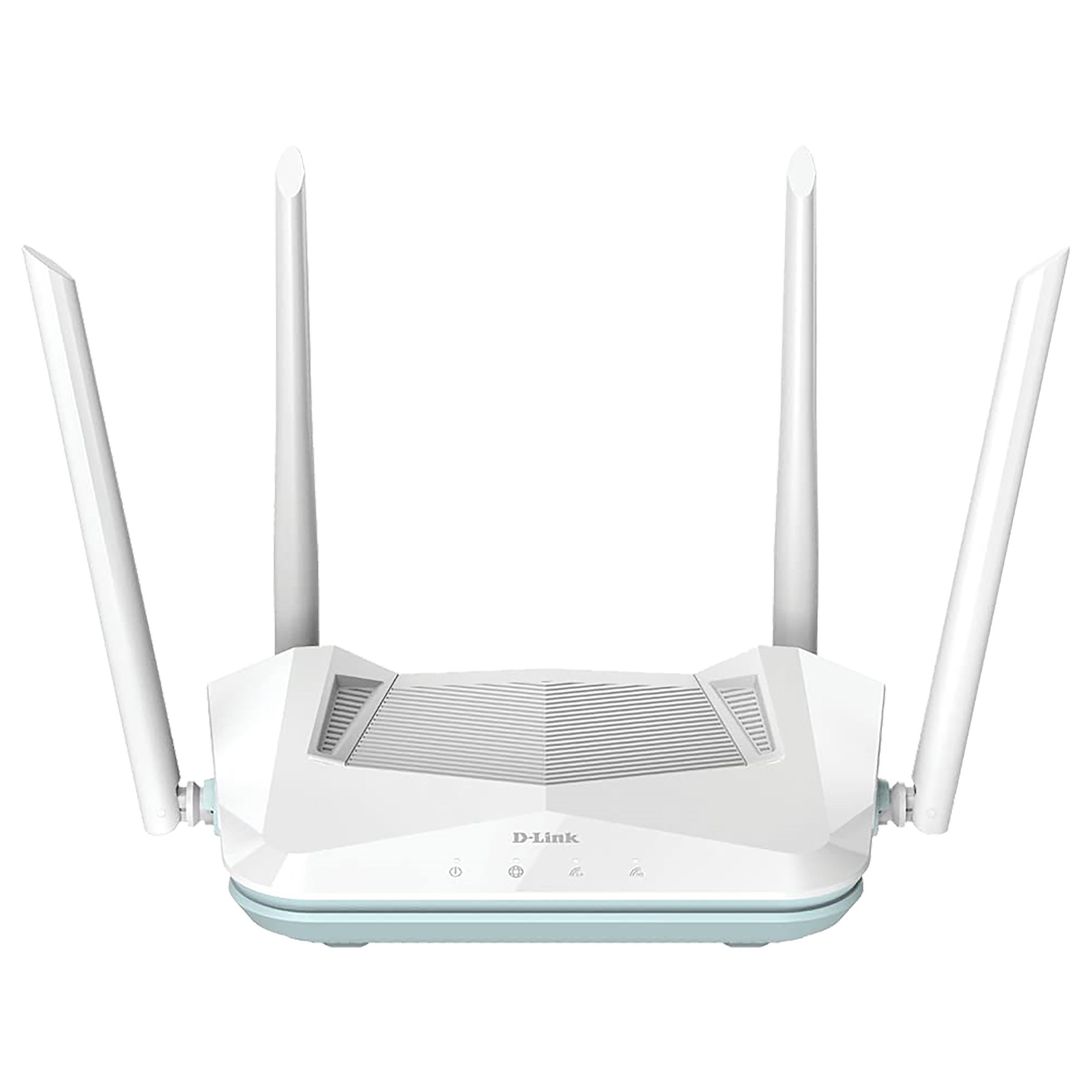
Going over the history of a technology that we know and use daily is always a fascinating experience. You never know what interesting titbit of history you’ll uncover, and of course, you’ll learn something new while you’re at it.

Unleash your inner geek with Croma Unboxed
Subscribe now to stay ahead with the latest articles and updates
You are almost there
Enter your details to subscribe

Happiness unboxed!
Thank you for subscribing to our blog.
Disclaimer: This post as well as the layout and design on this website are protected under Indian intellectual property laws, including the Copyright Act, 1957 and the Trade Marks Act, 1999 and is the property of Infiniti Retail Limited (Croma). Using, copying (in full or in part), adapting or altering this post or any other material from Croma’s website is expressly prohibited without prior written permission from Croma. For permission to use the content on the Croma’s website, please connect on contactunboxed@croma.com
- Related articles
- Popular articles
Anirudh Regidi
Comments