







Just about every portable gadget has a battery to keep it going, including your smartphone, tablet, headphones and earphones, laptop, smartwatch, and more. The battery has a lot of things to power and for hours at a stretch, from the screen to the processor and other components.
Naturally, you want as big a battery as possible, but all gadgets are constrained by their size, which dictates just how big a battery you can get into it, and how long it will run on a charge.
The important term to keep in mind when it comes to a battery is mAh, or milliampere-hour; this is the measurement of the capacity of the rechargeable battery that goes into your gadgets such as smartphones and tablets. But what exactly does this mean, and how does it help you to get more battery life out of your devices? Read on to find out.
What is mAh on a battery?
Milliampere-hour – or mAh – is a fractional unit of Ampere-hour (Ah), and 1,000mAh equals 1Ah. These measures are used to describe the charge a battery can hold, and how long the battery will take to discharge while powering the gadget. Naturally, the higher the rated mAh capacity of the battery, the better.
ALSO READ: Best affordable power banks you can buy in 2025
If a battery has a rated capacity of 5,000mAh, this means that it can deliver a continuous current of 5,000mA for one hour. Therefore, if your smartphone uses 500mA of current per hour based on its usage, it will run for up to 10 hours before the battery is discharged. Under the same conditions and workload, a phone with a 3,000mAh battery would last only six hours before running out of charge.
Of course, this has a lot to do with usage, and heavy usage or inefficient hardware could drain even a bigger battery faster than a smaller one, so more mAh doesn’t necessarily mean more battery life.
How many mAh is enough?
Obviously – the more the better. A bigger battery with a higher mAh rating will take longer to discharge, and will allow for more powerful equipment and components to be powered over many hours at a stretch, such as high-resolution displays, speakers, and the processor that powers the apps and software.
ALSO READ: How to increase iPhone battery health to 100 per cent
Bigger and more bulky devices typically have more room for a larger battery, while smaller and slimmer devices will typically have battery size constraints. Therefore, you might be eyeing that small and compact smartphone or laptop, but you’ll also likely have to deal with more frequent charging. Your chunky gadgets might not look and feel as sleek, but they’ll run for longer between charges.
Larger and more resource heavy gadgets such as tablets and laptops can have battery capacities upwards of 8,000mAh, while modern smartphones have batteries typically between 3,000-6,000mAh. Smaller devices such as smartwatches and earphones understandably have smaller batteries (usually under 1,000mAh), but these devices also require a lot less power to run.

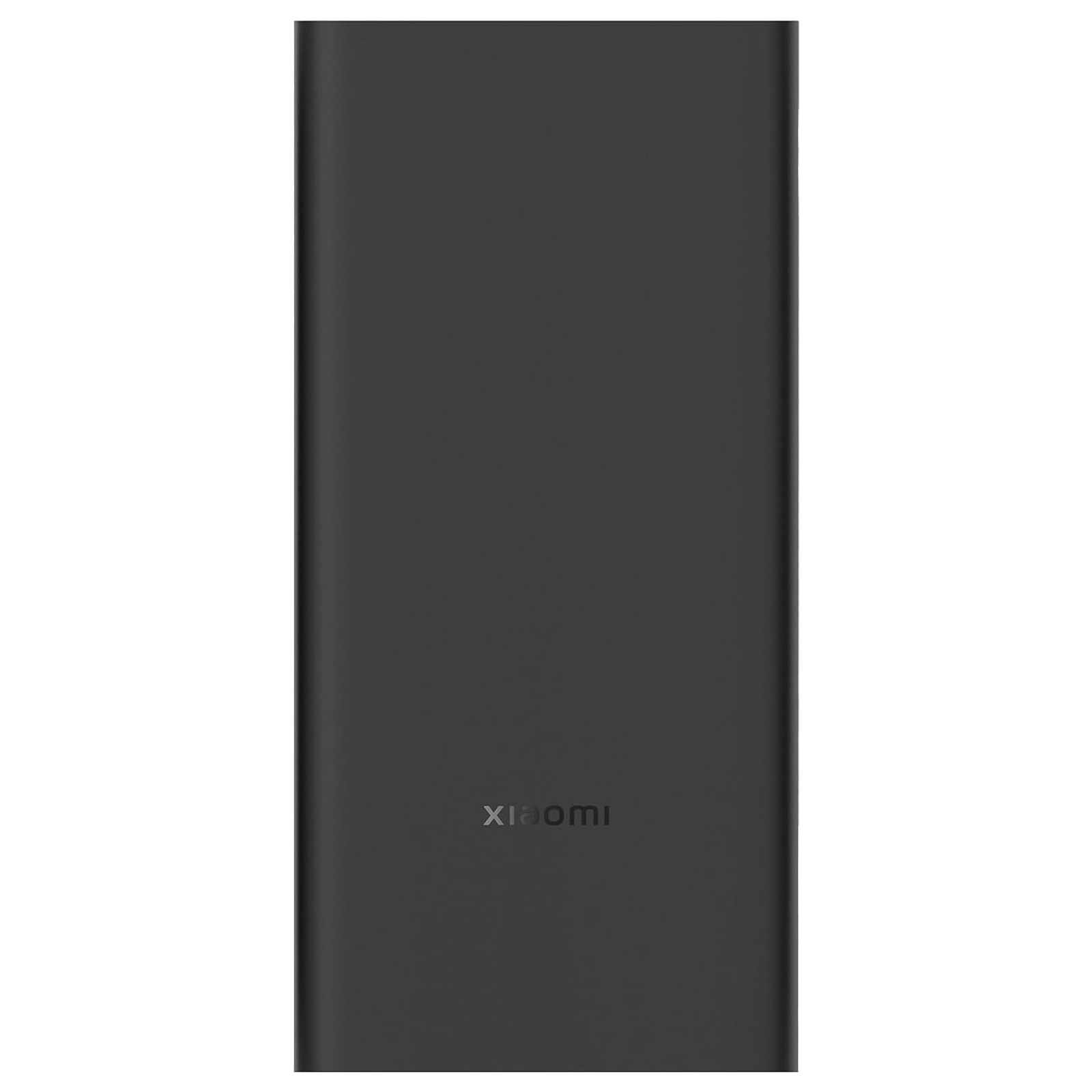
Power banks and portable battery packs are also rated in milliampere-hour; the larger the battery capacity, the more you can charge your other devices before you have to recharge the power bank itself. Power banks come in various capacities and sizes, typically ranging from around 10,000mAh to as high as over 50,000mAh.

Unleash your inner geek with Croma Unboxed
Subscribe now to stay ahead with the latest articles and updates
You are almost there
Enter your details to subscribe

Happiness unboxed!
Thank you for subscribing to our blog.
Disclaimer: This post as well as the layout and design on this website are protected under Indian intellectual property laws, including the Copyright Act, 1957 and the Trade Marks Act, 1999 and is the property of Infiniti Retail Limited (Croma). Using, copying (in full or in part), adapting or altering this post or any other material from Croma’s website is expressly prohibited without prior written permission from Croma. For permission to use the content on the Croma’s website, please connect on contactunboxed@croma.com
- Related articles
- Popular articles
Ali Pardiwala
Comments