







It starts before the kettle whistles. A soft buzz on your wrist. You glance down. Sleep score: 78. Recovery: moderate. Stress: elevated. It’s the new morning ritual – not just stretching or checking your breath, but checking your data.
Wellness has shifted from a quiet knowing to a stream of numbers, graphs, and gentle nudges from a wearable that knows your body almost as well as you do.
In a world that’s become increasingly data-driven, you might expect this shift to signal the end of ancient wellness rituals. Practices rooted in intuition, discipline, and lived experience. But that’s not what’s happening.
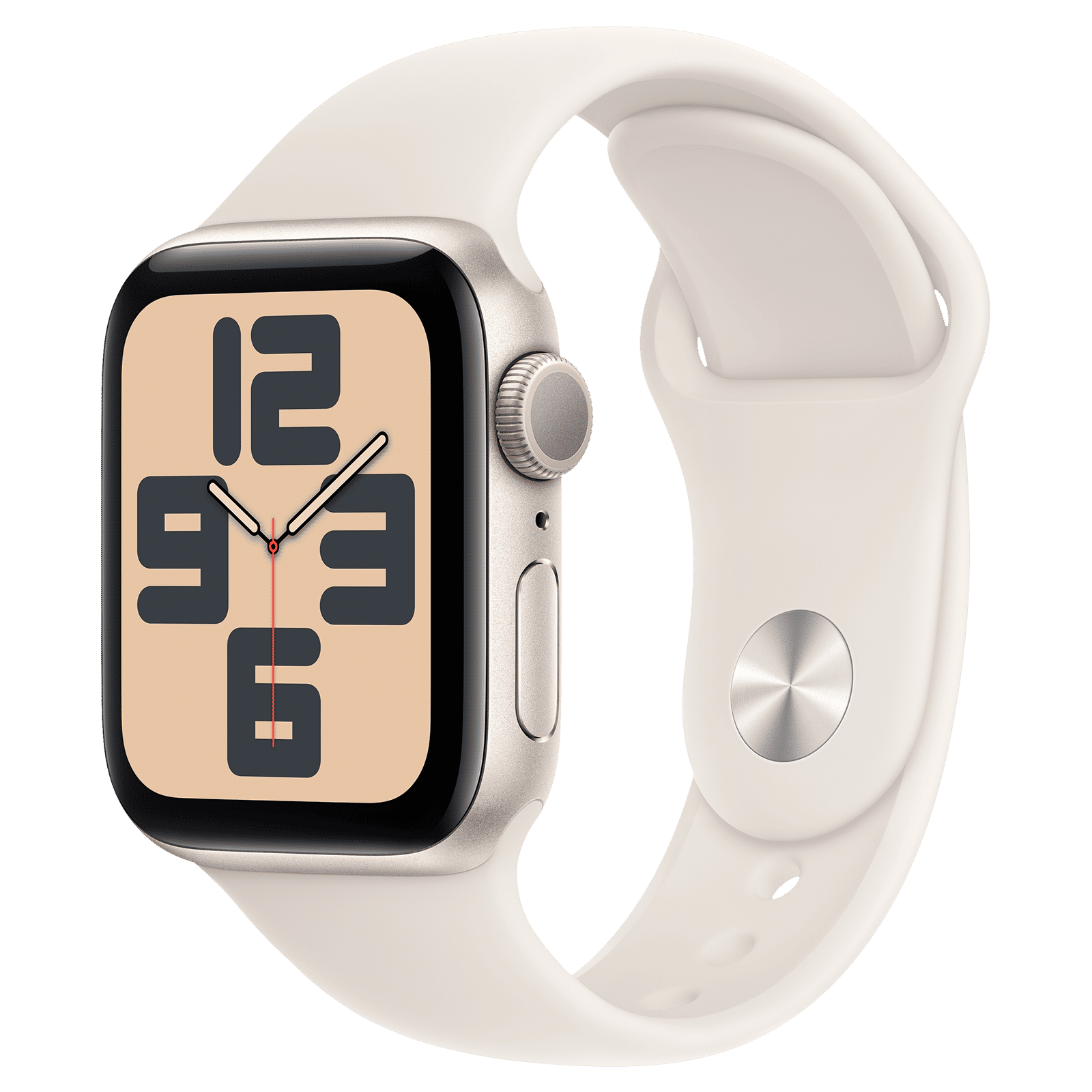
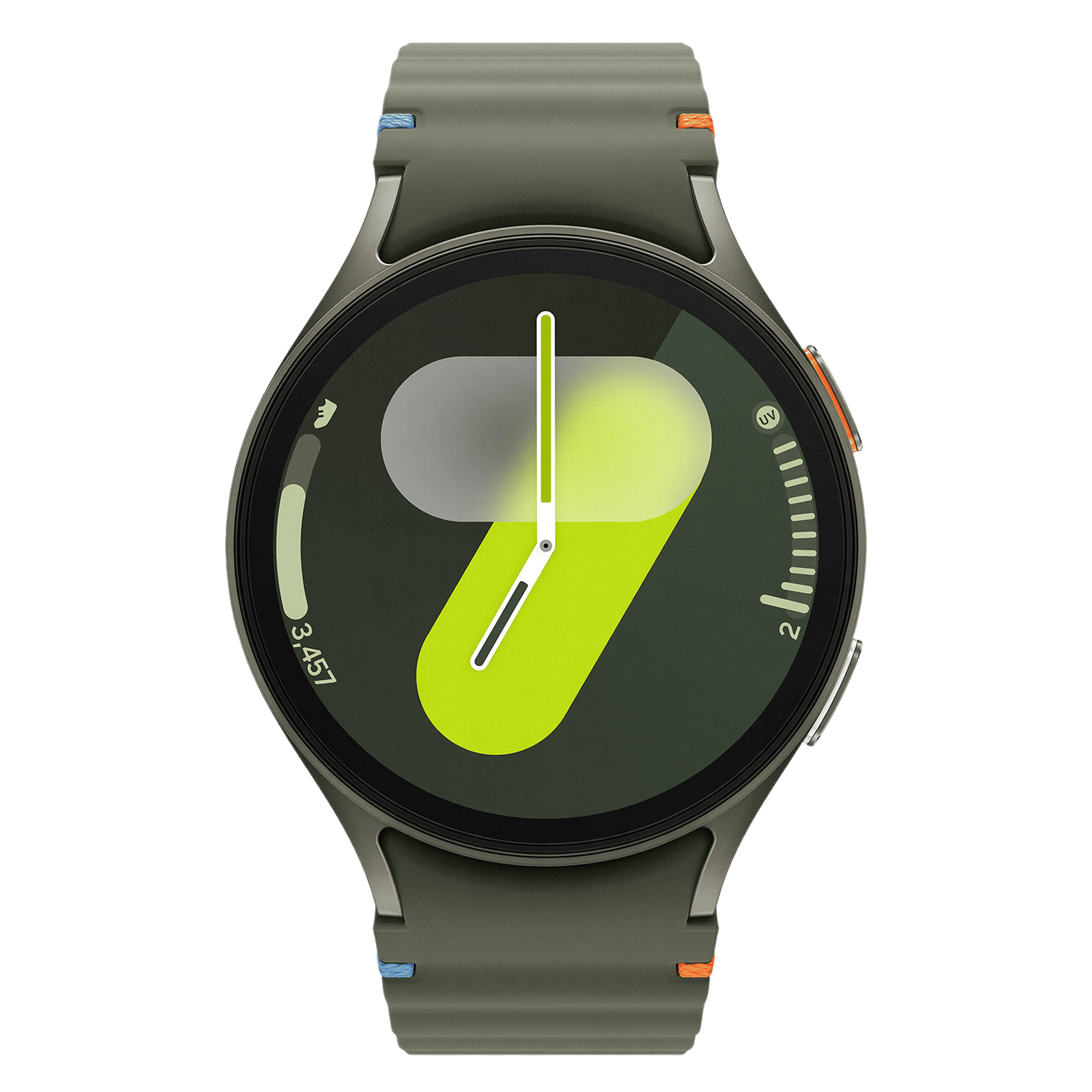
Instead, something unexpected is taking shape – a merging of worlds. Rather than replacing traditional practices like yoga, fasting, or meditation; wearables are reinforcing them. Sensors now guide breath-work. Glucose-monitoring apps support age-old fasting routines. Meditation ends with a calm score. From lifelong practitioners to curious newcomers, wearables aren’t taking over. They’re tuning in.
A quiet companion
For Agnes Rajesh, a 57-year-old yoga practitioner, wearables began as a medical requirement. “My journey with wearables began about five years ago, quite unintentionally,” she says. “I was on a year-long diabetes reversal program, and that’s when I was introduced to my first wearable. What started as a requirement slowly turned into a habit, then an obsession. I found myself looking forward to the data, watching how my body responded.”
That initial requirement turned into a ritual. Agnes pledged to walk 10,000 steps every day – a promise she has kept without fail. Yoga and meditation became daily anchors, and her wearable acted as both a reminder and a motivator. “Even now,” she adds, “I rely on it for mindfulness music and water intake reminders. It feels like a companion. Not loud, not flashy. Just there.”
ALSO READ: The best wearables to get ahead of your 2025 fitness goals
Across the world, similar stories are playing out. People are weaving ancient rituals into modern routines. Breath-work is no longer just passed down; it’s now tracked. Traditional fasts align with glucose feedback. Morning yoga ends with a mindfulness score. The intention remains, but the execution is measured, monitored, and optimised.
Ancient practice, modern proof
For decades, wellness practices such as yoga, breath control, herbal remedies, and meditation were viewed as intuitive, or at best, anecdotal. But wearables are now helping quantify what practitioners have long believed.
A 2021 NIH study found that regular pranayama can improve heart rate variability and reduce symptoms of anxiety and insomnia. Meditation has been shown to trigger parasympathetic nervous system responses, now visible in deeper sleep phases and lower heart rates in wearable data.
“Students who consistently practice pranayama or guided meditation often see improvements in sleep quality and heart rate variability,” says Cdr J. Rajesh, a yoga coach at The Wellness Break and a former Indian Navy officer.
“Some report steadier heart rhythms, or a shift into deeper sleep phases. These align with the calming effects we expect from such practices, and having the data helps reinforce their impact.”
The market is listening. According to Statista, the global wellness tech sector – including wearables, sleep aids, and digital fitness platforms – is projected to cross USD 600 billion by 2030.
In India alone, smartwatch shipments grew by 50 per cent year-on-year in 2024, driven by demand for health-first features like SpO₂ monitoring, menstrual tracking, and guided breathing tools, according to Counterpoint Research.
Rituals with a processor
There’s a new rhythm forming in tech-enabled homes. Wake up, check recovery. Plan your workout around your body battery. Brew tea, take personalised supplements, and set a mindfulness timer. Your wearable counts the breaths. An AI journaling app wraps up your day, tracking mood and stress markers while nudging you toward calm. It’s wellness, but with a processor behind every pause. A cyborg routine where instinct meets instruction.
“The future of wellness tech is about moving beyond numbers, to routines that are meaningful, motivating, and uniquely their own,” says Archit Agarwal, co-founder at Crossbeats. “We are committed to helping users create personalised, holistic routines by combining advanced tracking with actionable insights.”

But even as tech refines the routine, people like Agnes keep one foot planted in tradition. “I use my smartwatch to track steps, vitals, sleep, and calorie burn,” she says. “But I have a set yoga routine I follow every day. I don’t let the data change that.”
Listening to the body, not just the watch
Still, there are moments when the numbers don’t match the feeling. You wake up refreshed but get a poor sleep score. You feel calm, but your stress monitor lights up red. Experts call this “data dissonance”, which is a gap between experience and biometric readout.
A Rock Health survey found that 29 per cent of wearable users reported anxiety when their data didn’t match how they felt. This misalignment is prompting users and creators to rethink how wearables are positioned.
ALSO READ: Wearable tech is transforming the way we care for ourselves
“Devices can only measure certain things,” says Cdr Rajesh. “A student might wake up feeling energised, but their tracker reports poor sleep. That mismatch can create anxiety. I always encourage students to prioritise how they feel, that’s the real indicator of wellness.”
Agarwal echoes this view. “Wearables should act as supportive guides, not judges. Our tech is designed to offer accurate data, but also to empower users to trust their intuition. The goal isn’t to override your body, it’s to understand it better.”
Agnes agrees. “Sometimes the activity quotient doesn’t align, especially with yoga,” she says. “But I make up for it with walks and targeted calorie burning. I trust what my body knows, even if the metrics don’t always match.”
The new identity of wellness
Wellness is no longer just about practices; it’s about identity. For some, a wearable is about lifestyle alignment or sleek design. For others, it’s about micro-achievements. “The digital trophies make me happy,” says Agnes. “I don’t need to talk about my health data with others. It’s my personal monitor.”
For many, wearables have become a mirror of how they want to live – mindful, intentional, informed. They’re no longer just trackers, but translators. From hormone fluctuations to emotional state predictions, AI-enabled sensors are bringing clinical-level insights to the wrist.
“At Crossbeats, we’re actively integrating AI in models like Nexus to support hormone tracking, stress prediction, and emotion sensing,” says Agarwal. “But innovation must come with transparency, which is why user privacy and control are central to our design.”
Wearables are getting smarter, but they must stay human. That means amplifying the body’s voice, not replacing it. As Cdr Rajesh puts it, “What tech does best is validate tradition, but it must not dilute it. Yoga’s wisdom has endured for centuries without gadgets. Technology should complement, not replace, that inner knowing.”
Where tradition and tech meet
For the first time, ancient practices once labelled fringe or spiritual are being embraced by the most data-driven generation in history. Not because they’ve changed, but because we finally have the tools to see them more clearly.
The promise of wearable wellness lies in this balance – centuries of embodied wisdom, supported by real-time insights. It’s not tradition versus technology. It’s tradition elevated by technology.
And in the middle of it all is you, breathing, moving, feeling, with a wristband that doesn’t replace your wisdom, but helps you hear it more clearly.

Unleash your inner geek with Croma Unboxed
Subscribe now to stay ahead with the latest articles and updates
You are almost there
Enter your details to subscribe

Happiness unboxed!
Thank you for subscribing to our blog.
Disclaimer: This post as well as the layout and design on this website are protected under Indian intellectual property laws, including the Copyright Act, 1957 and the Trade Marks Act, 1999 and is the property of Infiniti Retail Limited (Croma). Using, copying (in full or in part), adapting or altering this post or any other material from Croma’s website is expressly prohibited without prior written permission from Croma. For permission to use the content on the Croma’s website, please connect on contactunboxed@croma.com
- Related articles
- Popular articles
Dhriti Datta
Comments