







When Ichha Sharma, a 24-year-old working professional from Pune, stopped following recipes, she didn’t think she was on the verge of a kitchen revelation. It was lockdown in her city. Grocery runs were uncertain, and food blogs felt like endless scrolls of filler text.
“I just wanted to make lunch,” she recalls, “but every recipe demanded things I didn’t have.” That frustration led to a quiet question – what happens if I swap, say, vinegar for lime? The answer changed the way she cooked. She was able to meet her nutritional goals, without sacrificing time on exploring new recipes, or the taste of the dishes she cooked.
Across kitchens – from home setups to small food businesses and culinary classrooms – something subtle is shifting. It’s not just what we cook, but how we think about cooking. Less like a script, and more like a structure. Less memory, more mechanics. Less recipe, more reason.
This shift is part of a growing approach known as ‘algorithmic cooking’. The term might sound technical, but the idea is simple.
Treat cooking as a flexible system of building blocks, ingredients, ratios, and techniques, rather than a rigid set of instructions. Like a formula or a pattern, it helps cooks adapt, swap, and create, even when the original recipe doesn’t fit the moment.
From recipes to patterns, there has been a shift in mindset
At the heart of this change is a deceptively simple idea that most dishes aren’t fixed –they’re built. And behind each dish lies a structure of ingredients, ratios, roles, and sequences. Once you understand them, you can swap, scale, or simplify without losing the soul of the dish.
“Now I think in terms of components, not steps,” says Sharma. “For my noodle bowls, I start with something aromatic like garlic, add protein, toss in veggies, splash in soy and vinegar, and finish with something crunchy. I don’t measure anymore. I taste and adjust.”
It sounds intuitive, but it’s rooted in science. Emulsification, for instance, is the principle behind salad dressings, mayonnaise, and even certain chutneys. It’s what happens when you combine fat and acid (like oil and vinegar) in a stable mix. The classic vinaigrette ratio is 3:1, three parts oil to one part acid. Once you know that, you can build from anything: sesame oil and tamarind, mustard oil and lemon juice.

The science of cooking, simplified
This way of thinking, often used unconsciously by seasoned chefs, is built on understanding the roles of ingredients, not their names.
Every ingredient plays a role. Fats carry flavour and add richness, acids brighten and balance, starches provide body, aromatics like garlic and onions build the base, and proteins add structure and satiety. Once you understand these functions, swapping or substituting becomes second nature.
Cooking methods themselves are systems. Heat transfer, for example, happens in three ways – conduction (direct heat, like a pan), convection (air or water movement, like boiling), and radiation (like a grill). Knowing this further helps you control texture, whether you want something crispy or slow-cooked.


Then there’s the rise of healthy cooking methods, like air-frying, which, essentially, is a substitute for deep frying or even shallow frying. Purists will say that these alternate methods cannot replicate the charm of traditional ones. While that may be true, for most of us substitution gets the job done and helps us make our diet healthier.
For chefs like Sorishti Marwa, who left restaurant kitchens to run Sosy’s Kitchen, this knowledge is gold. “I don’t always need a recipe,” she says. “I just know how to make good food by trusting my gut and adjusting as I go. When you’re running a business, flexibility is everything.”
Creativity in constraints
Oddly enough, constraints are where this mindset shines. When Marwah runs out of a key ingredient, she doesn’t pause service. “As long as the base flavour is there, I can switch things out. Customers still get the dish they love, even if the ingredient list has slightly changed.” What matters, she explains, is knowing what an ingredient does, not just what it is.
This is echoed in kitchens across the country, where time, dietary needs, and supply chains can’t always keep up with static recipes.
Take Suman Lodha, a chef and culinary educator who’s worn multiple hats over the years – marketer, entrepreneur, and teacher. She tells the story of reinventing nachos for a dinner party.
Instead of opening a bag of Doritos, she made her own chips using jowar rotis, air fried until crisp, served with fresh chutney. “Same idea, better ingredients, and suddenly everyone at the table is asking how I did it.”
I don’t always need a recipe. I just know how to make good food by trusting my gut and adjusting as I go
Or take the example of how she combined the preparation method of modaks to make her Jawar Bhakris last through the day, without getting hard. When you are cooking, and understand the basics, creating a soulful remix of a rather harsh culinary melody becomes easy.
Teaching through templates
Lodha teaches marketing and professional development alongside baking and cooking. For her, culinary education is more about understanding the cooking techniques, the science behind dishes and ingredients, than just memorising recipes.
“Most students come in with a very surface-level idea of what food is,” she says. “They’ve grown up with home cooking but haven’t thought about why something works. Once they get that, the fear disappears.”
ALSO READ: How the aata chakki became an integral part of our households
She also highlights the challenge, where many culinary students, dazzled by the glamour of food media, lose touch with the roots of their own cuisines.
“They know Japanese ramen but not makki ka dhokla. They’ve heard of pho but not mungodi ki saag.” Teaching them to think in structures, rather than blindly replicate recipes, helps them bridge the gap between tradition and innovation.
Beyond the kitchen: Why this matters
This shift isn’t just for chefs. It matters in homes too, especially for modern Indian households where both partners work, time is short, and dietary needs are diverse.
“Once you understand the pattern behind a stir-fry or a curry base, you don’t panic when something’s missing. You swap, you taste, you adjust,” Sharma says.
It also changes how people shop. “I don’t buy for recipes anymore; I buy for categories. A protein, a starch, an acid, and something fresh. That’s enough to build anything,” she adds.
And mistakes? They’re part of the process. “Now I treat them like data,” says Marwah. “If it’s too salty, I balance it. If it’s bland, I add something sharp. Cooking becomes less about perfection and more about play.”
The role of tech and the future of food
Smart kitchen tech is already catching up. Apps now recommend dishes based on what’s in your fridge. AI tools suggest swaps for allergens or dietary restrictions. Marwah likens it to having a nerdy sous-chef. She says, “It remembers your pantry better than you do and never forgets the ratios.”
But tech can’t work without the right data. As Lodha puts it, “If we don’t feed our traditional methods into these systems, they won’t know what to do with kanji or jawar bhakri. It’s on us to preserve and pass it on.”
There’s also an emotional aspect to this. Going back to food’s building blocks and learning to adapt them connects people not just to tradition but to health, budget, and even joy.

“I lost nine kilos without dieting,” Lodha candidly remarks. She achieved this by just eating real food from her home – dal, sabzi, one chapati, and chutneys from her heritage. No boiled broccoli. No quinoa. Just Indian food, but prepared with understanding.
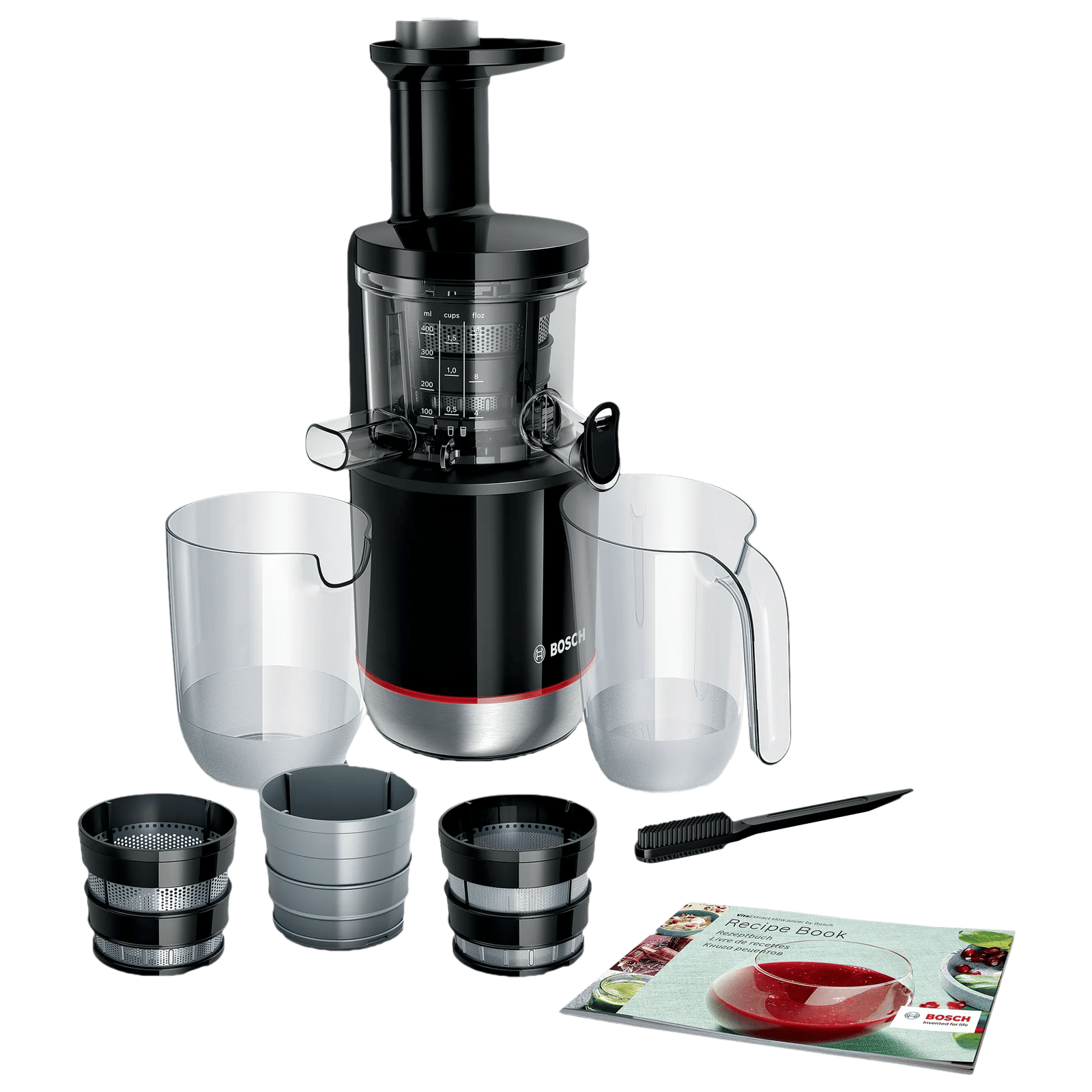
Modern gadgets like slow juicers and air fryers also play a role, especially for those who want quick and easy fixes to the problem of quick and healthy eating, making it easier to stay consistent without sacrificing flavour or effort.
Cooking is a system, not a script
Cooking, at its heart, is less about perfect execution and more about intelligent decisions. Whether it’s a home cook improvising dinner or a chef scaling up a menu, success comes from understanding the roles, reactions, and rhythms behind what’s on the plate.
This shift marks a return to curiosity, to efficiency, and to food that works in the real world. And it’s not just another trend. It is deep rooted in our Indian legacy and history. We just need to look within and understand the basic before partaking in a movement, that might just change how we see cooking, especially in modern India.
As Sharma says, “My friends think I’m a kitchen genius. But really, it’s just patterns and practice.”
And maybe, that’s all cooking ever needed to be.

Unleash your inner geek with Croma Unboxed
Subscribe now to stay ahead with the latest articles and updates
You are almost there
Enter your details to subscribe

Happiness unboxed!
Thank you for subscribing to our blog.
Disclaimer: This post as well as the layout and design on this website are protected under Indian intellectual property laws, including the Copyright Act, 1957 and the Trade Marks Act, 1999 and is the property of Infiniti Retail Limited (Croma). Using, copying (in full or in part), adapting or altering this post or any other material from Croma’s website is expressly prohibited without prior written permission from Croma. For permission to use the content on the Croma’s website, please connect on contactunboxed@croma.com
- Related articles
- Popular articles
Satvik Pandey
Comments