







Perhaps the most important and underrated home appliance is the ceiling fan, useful in households all over India and something that typically runs nearly all year long in just about any home. While you might be tempted to use the AC more during the hottest months of the year, you’ll find yourself sticking to the humble ceiling fan most other times for hours at a stretch, to create a cool air flow in the room and make even warm days more comfortable.
Ceiling fans in India are designed to efficiently push air in a way that cools the room, given that the days are usually warm in most parts of the country for most of the year. Additionally, the fan blades and direction of the spin is also set to create a cooling effect.
However, it is possible to change the direction of the spin on some fans, which can positively impact your energy costs. Here’s how you can go about this step and potentially reduce energy consumption for your ceiling fan.
Ceiling fan direction: How it works
In India, most ceiling fans are set up to spin anti-clockwise, with the fan blades tilted slightly downwards away in the opposite direction of the spin. This creates a downward draft of air, which creates the feeling of a cool breeze in your room by pushing air towards the bottom of the room. This also cools the air slightly, and pushes warm air upwards and away from the bottom of the room.
Ceiling fans only use enough electricity to cause the motor to spin the blades at the desired speed, so this is a cost-effective way to keep your room comfortable all year round.
Compared to air conditioners which use more electricity even over short periods of time, an efficient ceiling fan can run practically all day without any unreasonable impact on your energy bill.
Changing the direction of your ceiling fan
Some ceiling fans may have a function that allows you to change the direction of the spin, by reversing the motor’s operational direction. On fans which support this feature, there is usually a switch in the motor housing which can reverse the direction of the fan rotation.
This may be necessary to do in case your fan blades were improperly installed in the wrong direction, but it can come in handy in another key scenario.
ALSO READ: The quiet revolution above: How ceiling fans evolved from functional to a design statement
In cold months, reversing the direction of your ceiling fan’s rotation can actually help with keeping your room warm. By making the fan blades spin clockwise – i.e. towards the lower edge of the fan blades – you can create an upward draft of air that takes the heavier cool air away from the bottom of the room, and pushes the lighter warm air downwards.
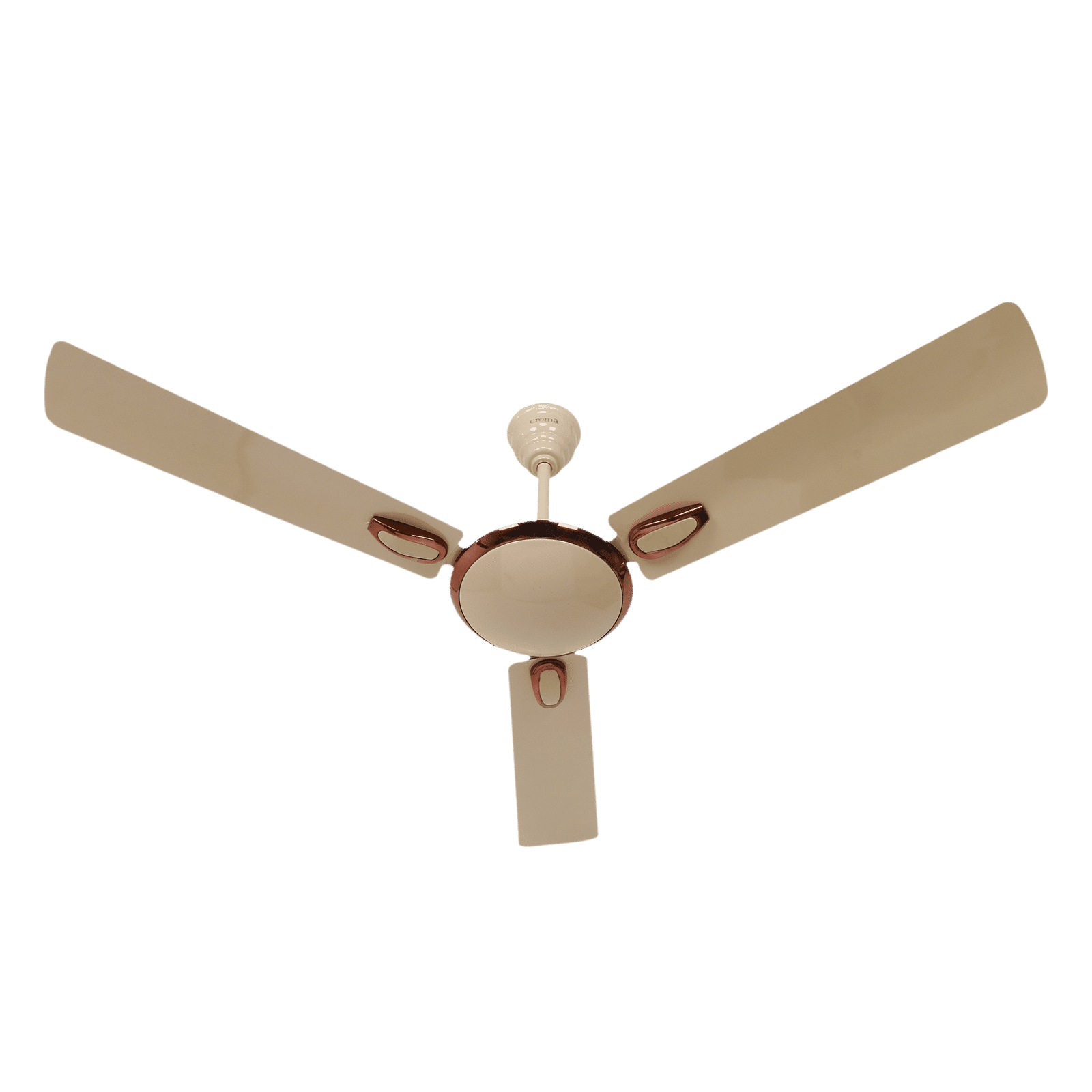
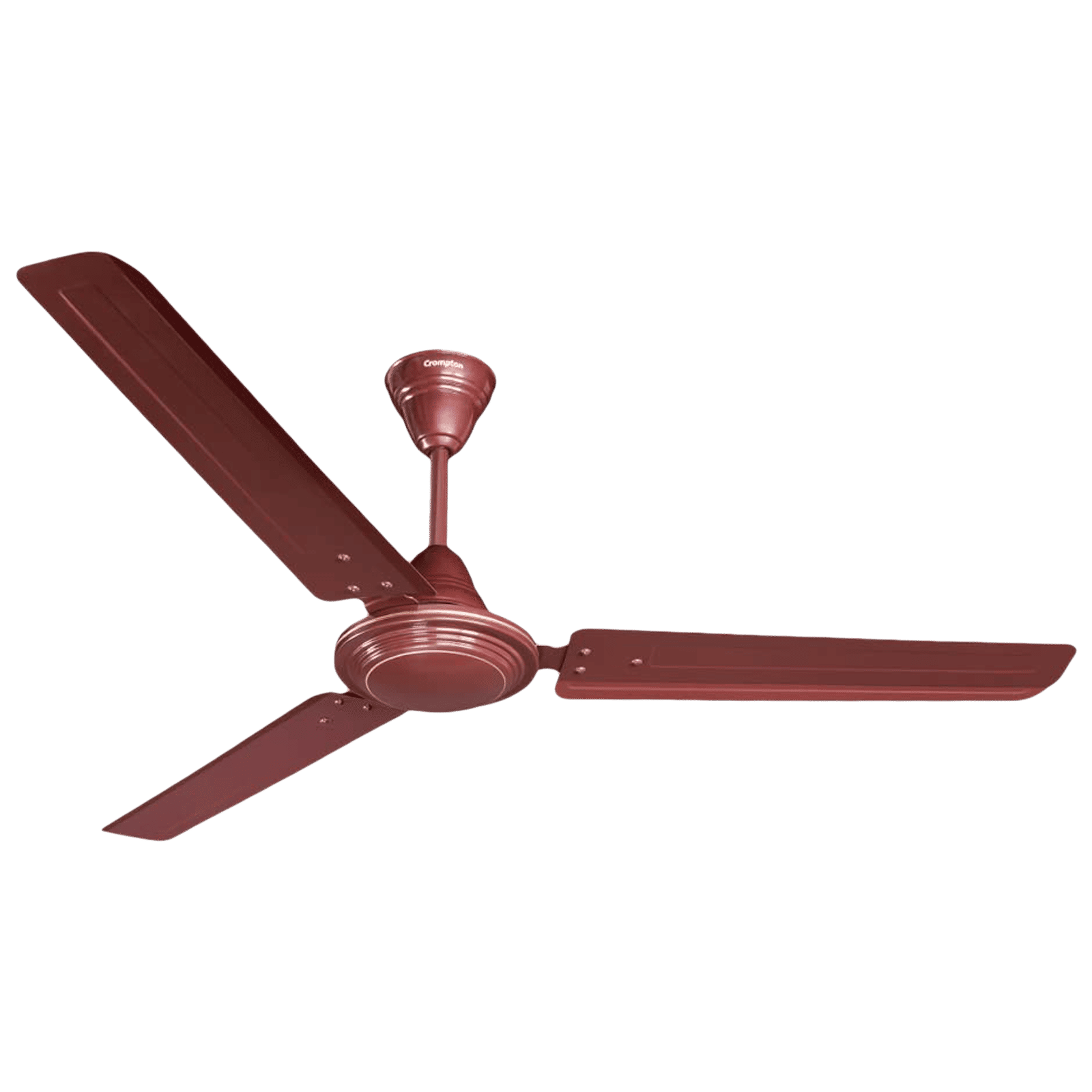
You can therefore use a ceiling fan to warm a room in cold weather, thus saving on the higher electricity costs of appliances such as heaters and radiators. Of course, if you’re in an area where the weather goes from cold to hot in different seasons, you’ll have to change the direction of the ceiling fan motor every few months.

Unleash your inner geek with Croma Unboxed
Subscribe now to stay ahead with the latest articles and updates
You are almost there
Enter your details to subscribe

Happiness unboxed!
Thank you for subscribing to our blog.
Disclaimer: This post as well as the layout and design on this website are protected under Indian intellectual property laws, including the Copyright Act, 1957 and the Trade Marks Act, 1999 and is the property of Infiniti Retail Limited (Croma). Using, copying (in full or in part), adapting or altering this post or any other material from Croma’s website is expressly prohibited without prior written permission from Croma. For permission to use the content on the Croma’s website, please connect on contactunboxed@croma.com
- Related articles
- Popular articles
Karthekayan Iyer
Comments