







Air conditioners come in all shapes and sizes, including window units, portable models, ductless setups, and systems that cool the entire house. But when it comes to cooling larger spaces regularly, two types usually come up: central AC and split AC.
Central air conditioners cool the entire house through a network of ducts using one main system. Split ACs, on the other hand, do not rely on ducts and instead operate with separate indoor and outdoor units to cool individual rooms.
They serve the same purpose, but the way they operate and the types of spaces they are best suited for are quite different. So what actually sets them apart? In this guide, we will break it all down to help you decide which one makes more sense for your space.
Central AC vs Split AC: Key Differences Explained
If you are trying to figure out the right air conditioner for your home, central AC and split AC are two of the most common choices.
ALSO READ: Heater versus hot and cold AC: Which is better suited for cold winters in India?
Both can keep you cool, but they work in different ways and suit different types of spaces. Here is a breakdown of how they compare:
Central AC vs Split AC: Cooling Coverage
Central air conditioners are designed to cool the entire house at once. They push cool air through a network of ducts that connect to every room. This setup works well in large homes or in places where ductwork is already installed. Everything is controlled via a single thermostat, so the entire space stays at the same temperature.
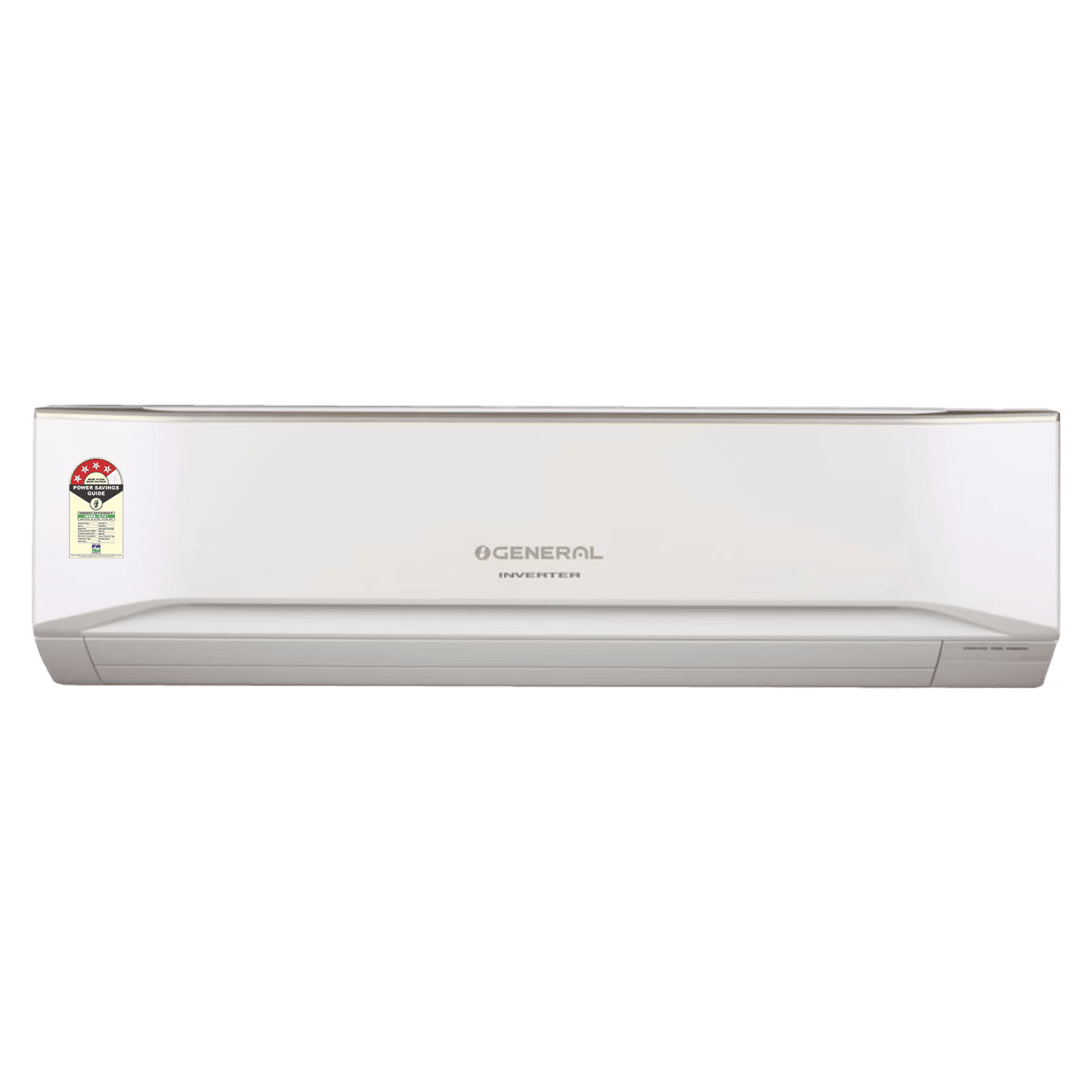
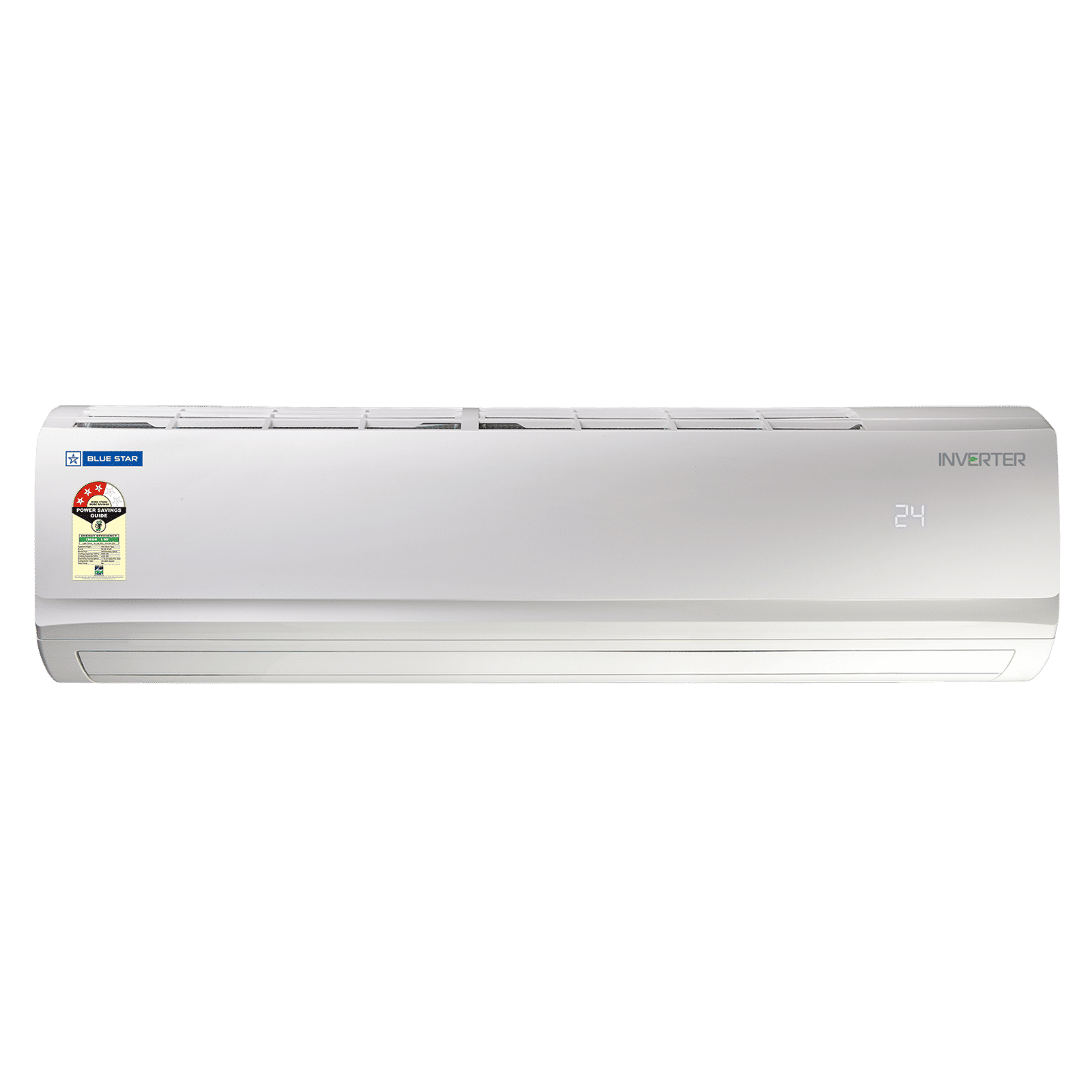
Split ACs cool one room at a time. Each system includes two units, one inside and one outside and does not require any ducts. Split air conditioners are ideal if you only want to cool specific rooms, such as a bedroom or a home office. However, if you try to install split units in every room, it can become expensive and less efficient.
Central AC vs Split AC: Installation
Central AC takes more time and effort to install. If your house does not already have ducts, adding them can be a major undertaking. But if the ductwork is already there, putting in or upgrading central AC is much easier. Split AC is simpler to install because it does not rely on ducts. A small pipe connects the indoor and outdoor units through a hole in the wall.
Central AC vs Split AC: Energy efficiency
Split AC is usually more energy efficient for smaller spaces or for people who want to cool only certain rooms. Since you can turn off the units in rooms you are not using, you save electricity. There is also no energy lost through ducts, which can happen with central systems.
ALSO READ: Does your home need an AC or an air cooler? There’s an easy way to know
Central AC can be efficient for cooling the entire home, especially if it is properly sized and maintained. But because it cools the whole house all the time, it might use more energy than a split system when you only need to cool one or two rooms.
Central AC vs Split AC: How they look inside the home
Central AC is almost invisible indoors. Vents are built into the ceiling or walls, and the main system is located in a basement, attic, or utility area. This gives your rooms a clean and uncluttered look. Split ACs have a visible indoor unit, usually mounted on the wall. Modern designs are elegant, but the unit is still noticeable. If appearance is a top priority, this is something to keep in mind.
Central AC vs Split AC: Temperature control
If you want more control over how each room is cooled, split air conditioners are a better option. Each unit operates independently; therefore, you can set different temperatures in different rooms. This is useful in households where people have varying comfort preferences or where some rooms are used more frequently than others.
ALSO READ: 5 tips to increase your AC’s lifespan
Central AC typically runs on a single thermostat, which means the entire house is cooled to one temperature. Some systems offer zoning options, but these require additional equipment and are more expensive to install.
Central AC vs Split AC: Air quality and maintenance
Central AC systems can filter the air throughout the entire house. Many models offer upgraded filters or additional features such as UV lights and dehumidifiers. This can be especially helpful for people with allergies or respiratory concerns.
However, central systems require regular maintenance, including duct cleaning and filter replacements. Split AC units are easier to maintain. You only need to clean or replace the filters inside each unit. However, their air filtration is basic and limited to individual rooms, so they may not be ideal for those seeking advanced air quality features.
Central AC vs Split AC: Upfront and long-term costs
Central AC usually costs more to install, especially if ducts need to be added. But in homes where ducts are already in place, the cost becomes more reasonable. Over time, it can be more efficient for cooling large spaces.
ALSO READ: How often should you service your AC?
Split AC is cheaper when you are cooling just one or two rooms. But the cost adds up if you need multiple units throughout the house. In that case, it might end up costing just as much, or even more, than central AC.
Central AC vs Split AC: Which AC should you buy?
Ultimately, it depends on how your space is set up and how you plan to use it. If your home already has ducts and you want even cooling throughout, central AC is likely the better choice. It is powerful, unobtrusive, and well-suited for cooling large spaces.
On the other hand, if you are cooling only a few rooms, want to avoid ductwork, or live in an older home or a new extension, split AC offers more flexibility. You get room-by-room control, easier installation, and potential energy savings.

Unleash your inner geek with Croma Unboxed
Subscribe now to stay ahead with the latest articles and updates
You are almost there
Enter your details to subscribe

Happiness unboxed!
Thank you for subscribing to our blog.
Disclaimer: This post as well as the layout and design on this website are protected under Indian intellectual property laws, including the Copyright Act, 1957 and the Trade Marks Act, 1999 and is the property of Infiniti Retail Limited (Croma). Using, copying (in full or in part), adapting or altering this post or any other material from Croma’s website is expressly prohibited without prior written permission from Croma. For permission to use the content on the Croma’s website, please connect on contactunboxed@croma.com
- Related articles
- Popular articles
Shubhendu Vatsa
Comments