







Many of the AV products available today come with various certifications, including some by a famous brand – Dolby. Interestingly, Dolby doesn’t make any hardware products itself, and only develops the technologies and standards that power the various audio and video devices we use, including speakers and speaker systems, TVs, and headphones. Even within the Dolby stable, there are various technologies that apply to specific types of audio and visual systems, such as Dolby Atmos, Dolby Vision, and Dolby Digital, among others.
For now, though, we’re going to cover two popular audio technology formats from the company – Dolby Atmos and Dolby Digital. Both of these cover specific products, delivering an encoding system for audio delivery on various consumer electronics such as speakers, televisions, and more.
Dolby Digital vs Dolby Atmos
Lets start with the older and more widespread technology among these two. Dolby Digital was launched in 1991 as the Dolby AC-3, and provides an encoding standard for everything from basic two-channel audio to more advanced and now fairly widespread 5.1-channel audio setups. The format creates the technology that speakers and speaker systems can use to send audio to the right channels and deliver everything from a stereo to a surround sound audio experience for the listener.
Dolby Digital uses a channel-based system supporting six audio tracks (eight audio tracks for Dolby Digital Plus), which translates to a 5.1 or 7.1-channel speaker setup with five or seven surround speakers and one subwoofer. There is 2D sound compression in Dolby Digital formats, and it has a maximum bitrate of 1280kbps.
Dolby Digital and Digital Plus are widely compatible with various products, including televisions, DVD and Blu Ray players, budget soundbars, many traditional passive and active home theatre systems, and legacy home theatre amplifiers. Even on the content side, disc-based media, streaming services, and even some DTH and cable-based offerings support Dolby Digital to support basic stereo to 5.1 or 7.1-channel surround audio.
Dolby Atmos is a much newer format, launched in 2012 initially in theatres like Dolby Digital. The format is much more advanced than Dolby Digital, although it does build on the Dolby Digital Plus format to build a more advanced audio experience for the listener. This is an object-based system that supports up to an impressive 128 audio tracks – up to a base 9.1-channel configuration and 118 additional ‘audio objects’ for finer audio tuning.
ALSO READ: What is Dolby Atmos? The surround sound format explained
Dolby Atmos has a higher bit rate of 7800kbps, and is best known for its support of overhead audio channels for a more immersive surround sound experience. It’s possible to set up complex surround sound speaker systems with multiple channels, allowing for a much more engaging sound setup when used with compatible content.
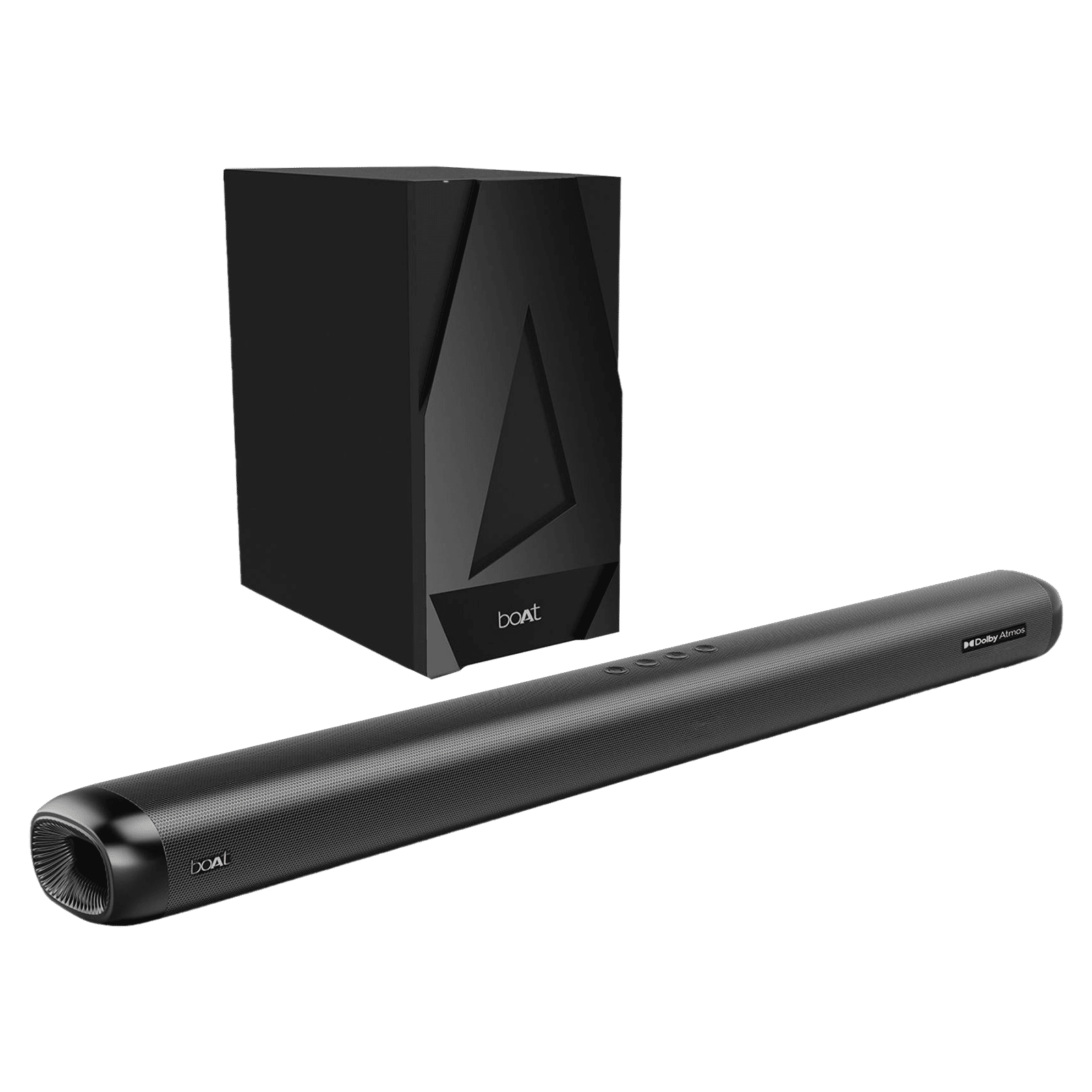
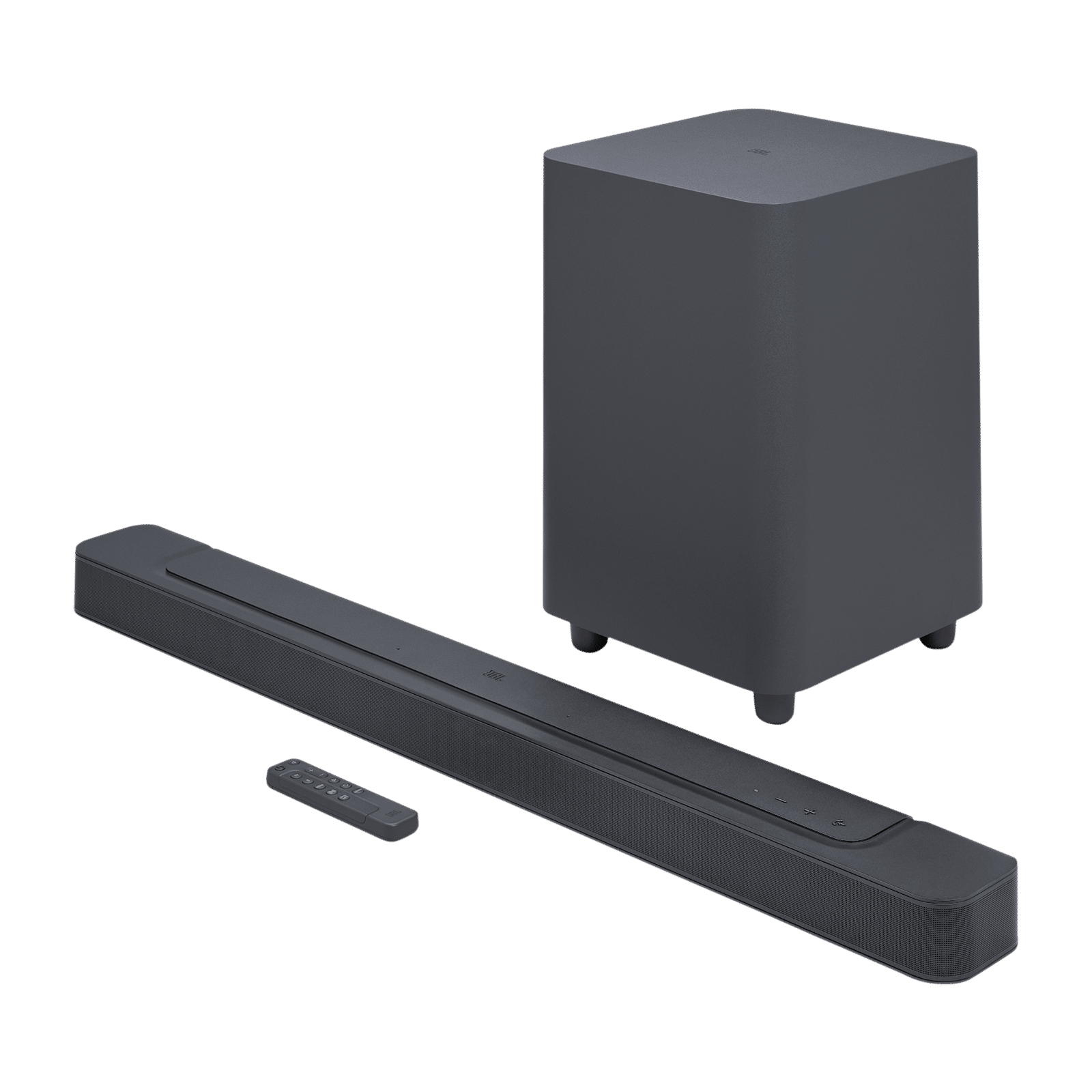
Dolby Atmos is supported on many devices today, including televisions, speaker systems, streaming devices, soundbars, home theatre amplifiers, and multi-channel speaker setups.
From disc-based content to streaming services such as Netflix, Dolby Atmos is widely supported across content as well, creating a detailed ecosystem where you can truly enjoy surround sound audio from all around you.

Unleash your inner geek with Croma Unboxed
Subscribe now to stay ahead with the latest articles and updates
You are almost there
Enter your details to subscribe

Happiness unboxed!
Thank you for subscribing to our blog.
Disclaimer: This post as well as the layout and design on this website are protected under Indian intellectual property laws, including the Copyright Act, 1957 and the Trade Marks Act, 1999 and is the property of Infiniti Retail Limited (Croma). Using, copying (in full or in part), adapting or altering this post or any other material from Croma’s website is expressly prohibited without prior written permission from Croma. For permission to use the content on the Croma’s website, please connect on contactunboxed@croma.com
- Related articles
- Popular articles
Ali Pardiwala
Comments