







A home entertainment system is made up of many components, from the display – a television or projector – to the audio setup. While you can simply rely on your TV’s audio, a proper home theatre setup will involve a more detailed system, which can be in the form of a pair of speakers, a surround sound speaker package, or even a convenient soundbar. However, there’s more to it than that – you also need to ensure that your audio system works with the rest of your setup, including support for key formats and interconnectivity standards.
That involves going through a lot of terminology and advertised features, two of which you’ve likely seen and heard on all sorts of devices in the audio segment. Dolby Digital and DTS are key audio formats, which enable surround sound capabilities for speaker systems and their supported content delivery methods. Which one of these is ideal for you, though?
DTS and Dolby: What do they do?
First, an introduction to these two formats – Dolby Digital and DTS are competing audio formats, developed by different organisations originally as audio encoding technologies for cinema halls and theatres; Dolby Digital and DTS (Digital Theatre Systems) are both popular audio codecs for surround sound and multi-channel audio. Although originally made for theatres and auditoriums, these formats are now widely available even on consumer hardware and audio systems.
While the original formats have been around since the 1990s, Dolby and DTS have subsequently developed and launched the Dolby Atmos and DTS:X formats, respectively. These are now the more detailed and advanced audio technologies for surround sound systems, and offer more detailed and flexible speaker setups, with more channels and support for overhead speakers in the case of Dolby Atmos.
DTS vs Dolby Digital (and DTS:X vs Dolby Atmos)
In terms of performance, both DTS and Dolby Digital are said to offer similar sound quality, as well as similar levels of surround sound accuracy and support for multiple channels and detailed encoding. However, DTS does support higher bitrates, although Dolby is said to offer similar performance with lower bitrates because of superior codecs, which offer more efficient compression.
When it comes to DTS:X and Dolby Atmos, the two formats go far beyond the basic 5.1 or 7.1-channel support of the older Dolby Digital and DTS formats. These are top-of-the-line formats and are typically seen on complex and high-end home entertainment kit.
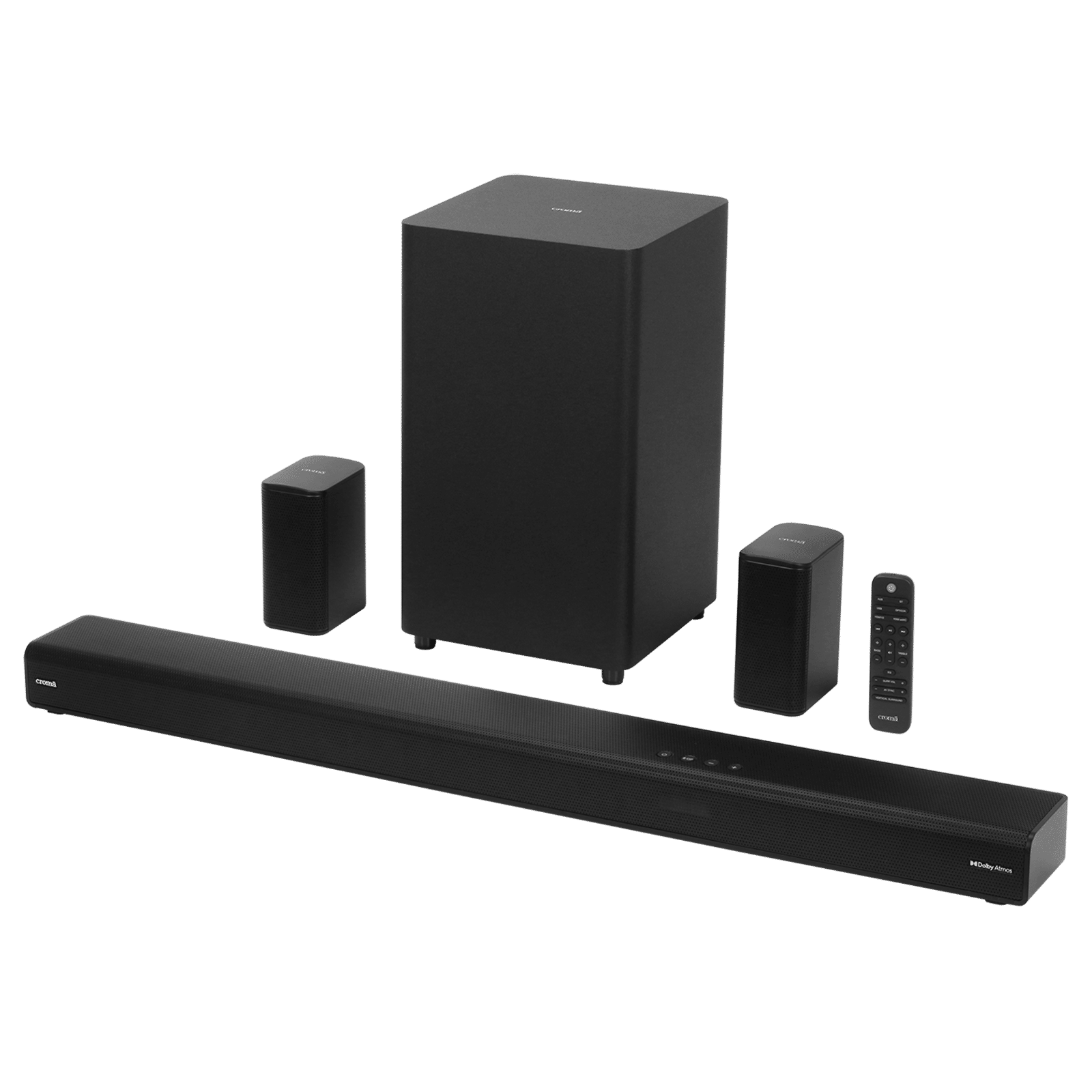
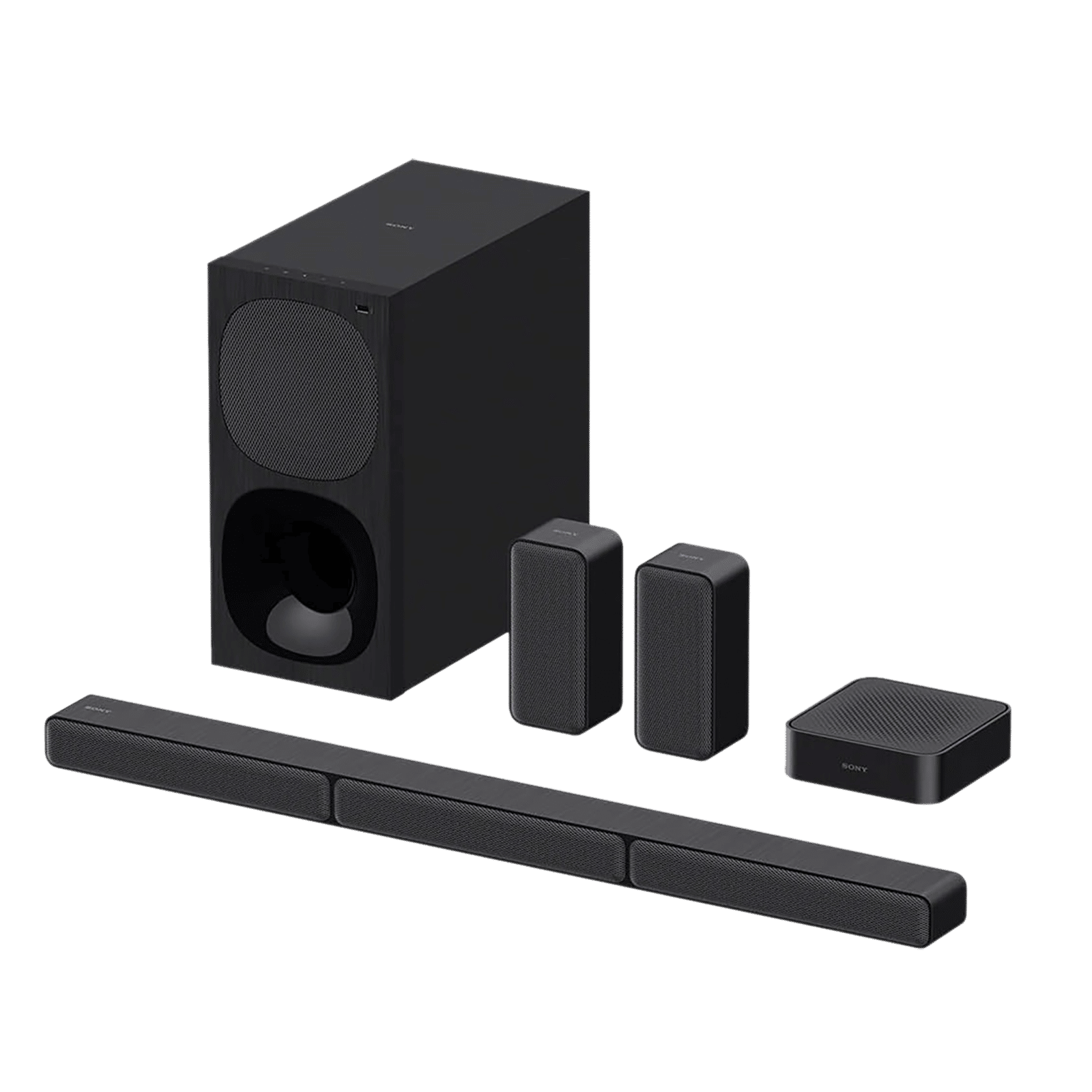
A key difference between them is that Dolby Atmos supports overhead speaker channels, but can also work with soundbars which have upward-firing speakers to bounce sound off your ceiling and give you the impression of overhead audio. DTS:X is more flexible in comparison, working with even basic surround sound speaker packages to deliver immersive sound.
ALSO READ: Top 5 best home theatre system in 2025
Where the differences between DTS and Dolby Digital are widest is in the support for the formats. Devices have wide support for both formats, and you’ll find both Dolby Digital and DTS or Dolby Atmos and DTS:X support on many devices, including TVs, streaming devices, Blu-ray players, gaming consoles, speakers, soundbars, and home theatre receivers.

Unleash your inner geek with Croma Unboxed
Subscribe now to stay ahead with the latest articles and updates
You are almost there
Enter your details to subscribe

Happiness unboxed!
Thank you for subscribing to our blog.
Disclaimer: This post as well as the layout and design on this website are protected under Indian intellectual property laws, including the Copyright Act, 1957 and the Trade Marks Act, 1999 and is the property of Infiniti Retail Limited (Croma). Using, copying (in full or in part), adapting or altering this post or any other material from Croma’s website is expressly prohibited without prior written permission from Croma. For permission to use the content on the Croma’s website, please connect on contactunboxed@croma.com
- Related articles
- Popular articles
Ali Pardiwala
Comments