







Hot water is something almost every household needs every day, whether it is for bathing, cleaning, or cooking. But the way that water gets heated varies a lot, usually depending on the appliance we use. Two of the most common options are the geyser and the immersion rod.
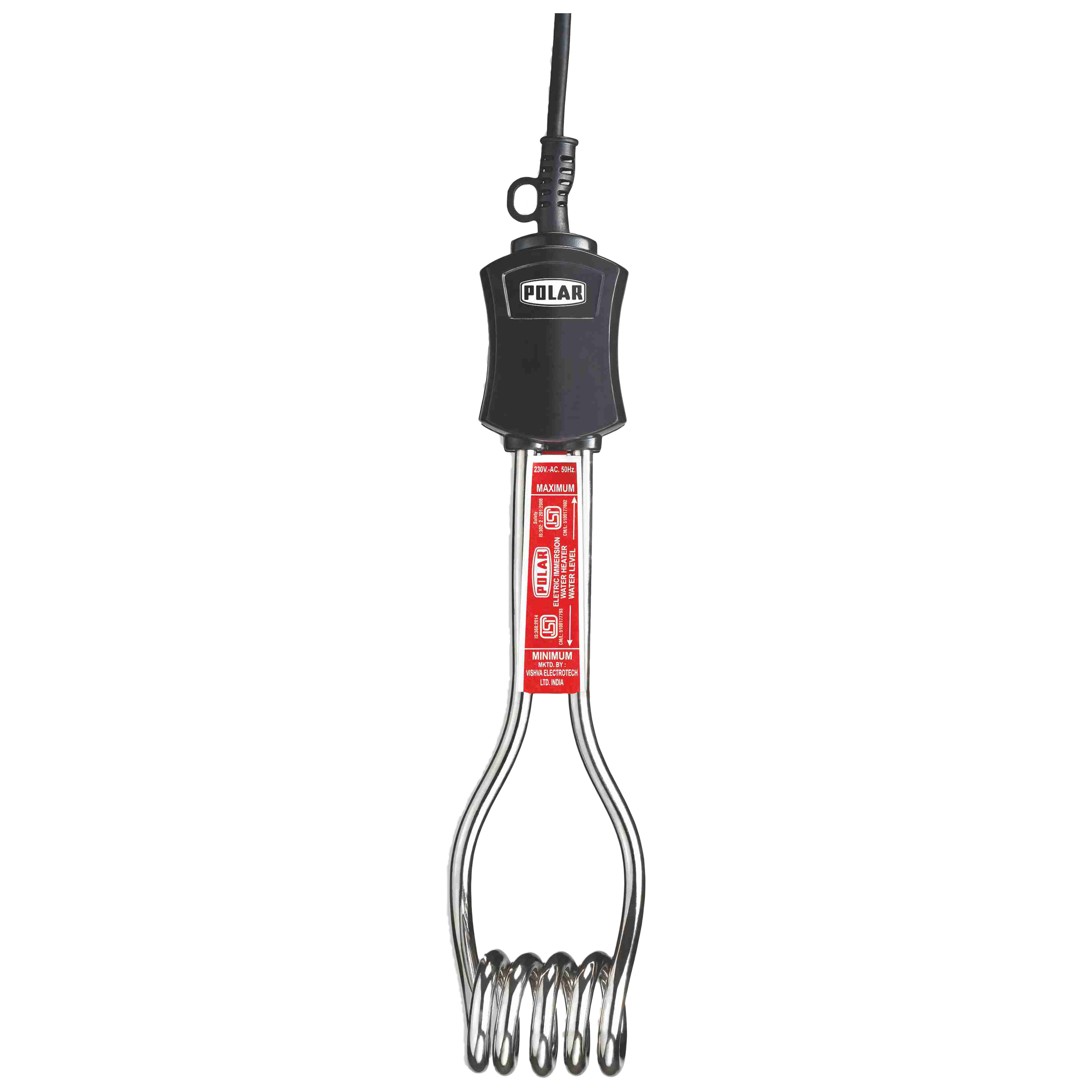
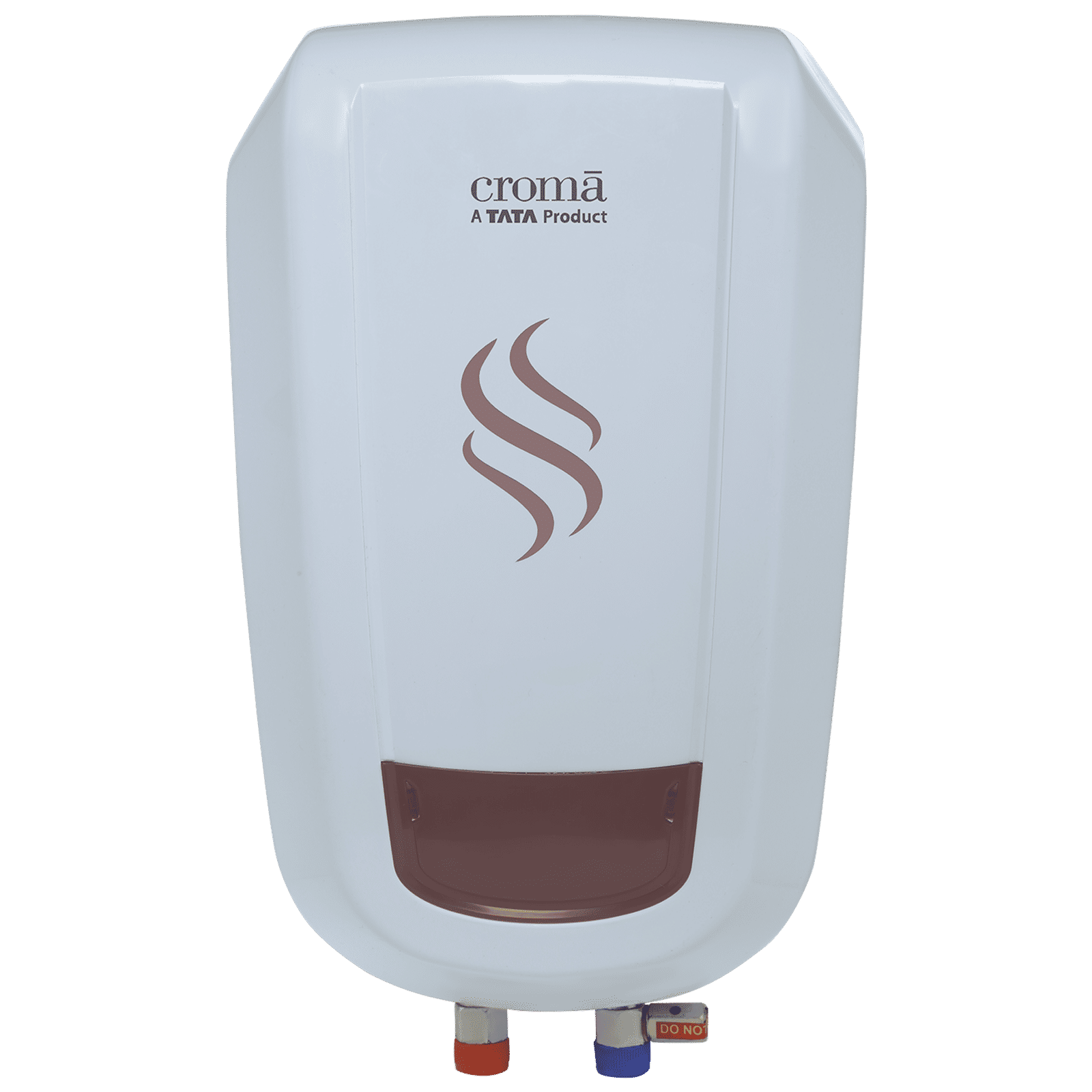
A geyser is a built-in water heater connected to the plumbing system, delivering hot water straight to taps or showers with little effort. An immersion rod, on the other hand, is a portable device placed into a bucket of water and plugged in to heat manually.
Both appliances heat water, but that’s about where the similarities end. Geysers are about convenience, while immersion rods are about flexibility and cost. So here’s a closer look at how a geyser or an immersion rod stacks up, and which one actually fits your life better.
Geyser vs Immersion Rod: Installation
A geyser requires professional installation since it needs to be mounted on a wall and connected to both plumbing and electrical systems. In contrast, an immersion rod needs no installation at all. You simply place it in a bucket of water and plug it in, making it a quick and portable option.
Geyser vs Immersion Rod: Water capacity
Geysers usually include a storage tank ranging from 10 to 25 litres or more (depending on the model), allowing you to heat a significant amount of water at once. This hot water is then available through taps or showers on demand.
Immersion rods only heat the water you put in the bucket, so if your bucket holds 15 litres, that’s all you get per heating session.
Geyser vs Immersion Rod: Heating time
Depending on the model and tank size, a geyser generally takes 5 to 15 minutes to heat the water. Once heated, the water is ready whenever you need it. Immersion rods heat more slowly, usually taking 15 to 30 minutes per bucket. Furthermore, you also have to keep an eye on it to make sure it doesn’t overheat or cause any accidents.
Geyser vs Immersion Rod: Convenience
Using a geyser is simple and mostly automatic. You simply turn on the tap or shower to get hot water. Many geysers also come with features like automatic shut-off and temperature control, which help improve safety and save energy.
An immersion rod requires more manual effort as you’ll need to fill the bucket, position and plug the rod in, wait for the water to heat, and unplug it yourself when it’s hot enough. Since immersion rods lack automatic shut-off, careful attention is necessary.
Geyser vs Immersion Rod: Safety
Most modern geysers come with safety features like auto cut-off, pressure valves, and temperature controls to keep things safe. Immersion rods do not have these built-in protections and can pose electrical hazards if not used properly, especially if water is touched while the rod is plugged in.
Geyser vs Immersion Rod: Energy use and cost
Geysers generally consume more electricity because they heat larger volumes of water and often maintain the temperature throughout the day, which often means a higher energy bill. Immersion rods, on the other hand, use power only when actively heating water and are more economical for short, occasional use.
However, if you have a big family or need a lot of hot water regularly, they might end up using more energy overall because you’re heating smaller batches more often.

Unleash your inner geek with Croma Unboxed
Subscribe now to stay ahead with the latest articles and updates
You are almost there
Enter your details to subscribe

Happiness unboxed!
Thank you for subscribing to our blog.
Disclaimer: This post as well as the layout and design on this website are protected under Indian intellectual property laws, including the Copyright Act, 1957 and the Trade Marks Act, 1999 and is the property of Infiniti Retail Limited (Croma). Using, copying (in full or in part), adapting or altering this post or any other material from Croma’s website is expressly prohibited without prior written permission from Croma. For permission to use the content on the Croma’s website, please connect on contactunboxed@croma.com
- Related articles
- Popular articles
Shubhendu Vatsa
Comments