







When Sheetal Purandare unfolds her phone like it’s second nature, heads turn. Not because she’s trying to show off, but because most people still don’t expect to see a pocket-sized tablet slide out of someone’s hand like that.
“I bought my first Fold back in 2020,” says the 50-year-old communications professional from Gandhinagar, Gujarat. “The idea of unfolding a tablet from my pocket was fascinating.”
Hold up, Purandare is not a YouTuber or a tech reviewer, if that’s what you thought. Because it’s obvious to judge a foldable phone user, saying ‘they must be techy’ or ‘an influencer’.
Purandare isn’t chasing trends. She’s just among the growing numbers of everyday professionals who’ve ditched slab phones for something more futuristic, more flexible, and frankly, more practical.
Purandare is currently using Samsung’s newest foldable phone, the Galaxy Z Fold 7. She pre-ordered the device the moment it was announced, and her experience has been pretty good so far.
“This one feels shockingly close to a regular phone (in a good way),” she says. What she loves about her new foldable isn’t the fact that it’s a head turner, but because it unfolds into a productivity machine.
And that’s the real story of foldables in 2025. The hardware is maturing. People are buying. Hesitations are shrinking. And with the right mix of sauces, the foldable recipe that brands are trying to perfect could finally reach mass appeal.
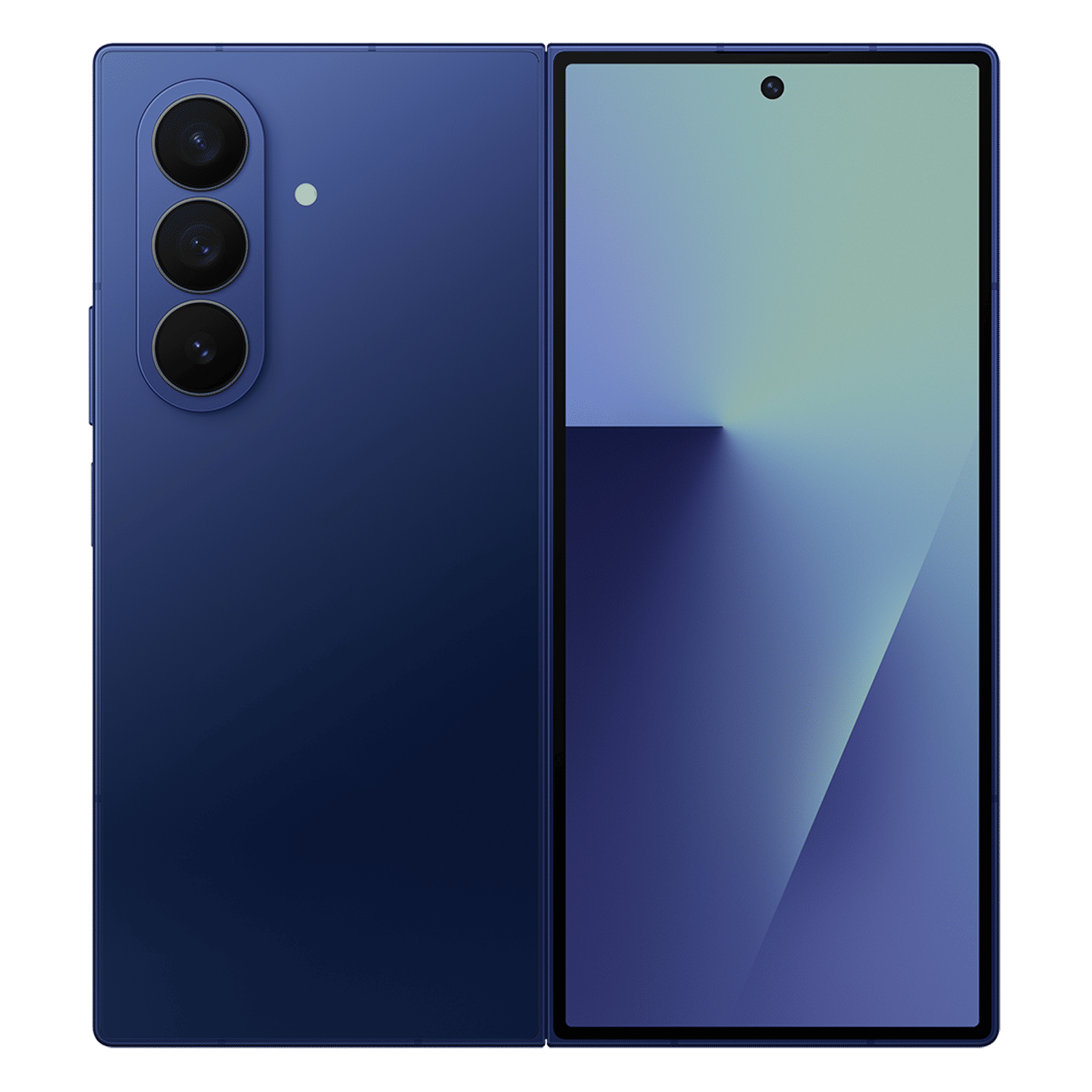
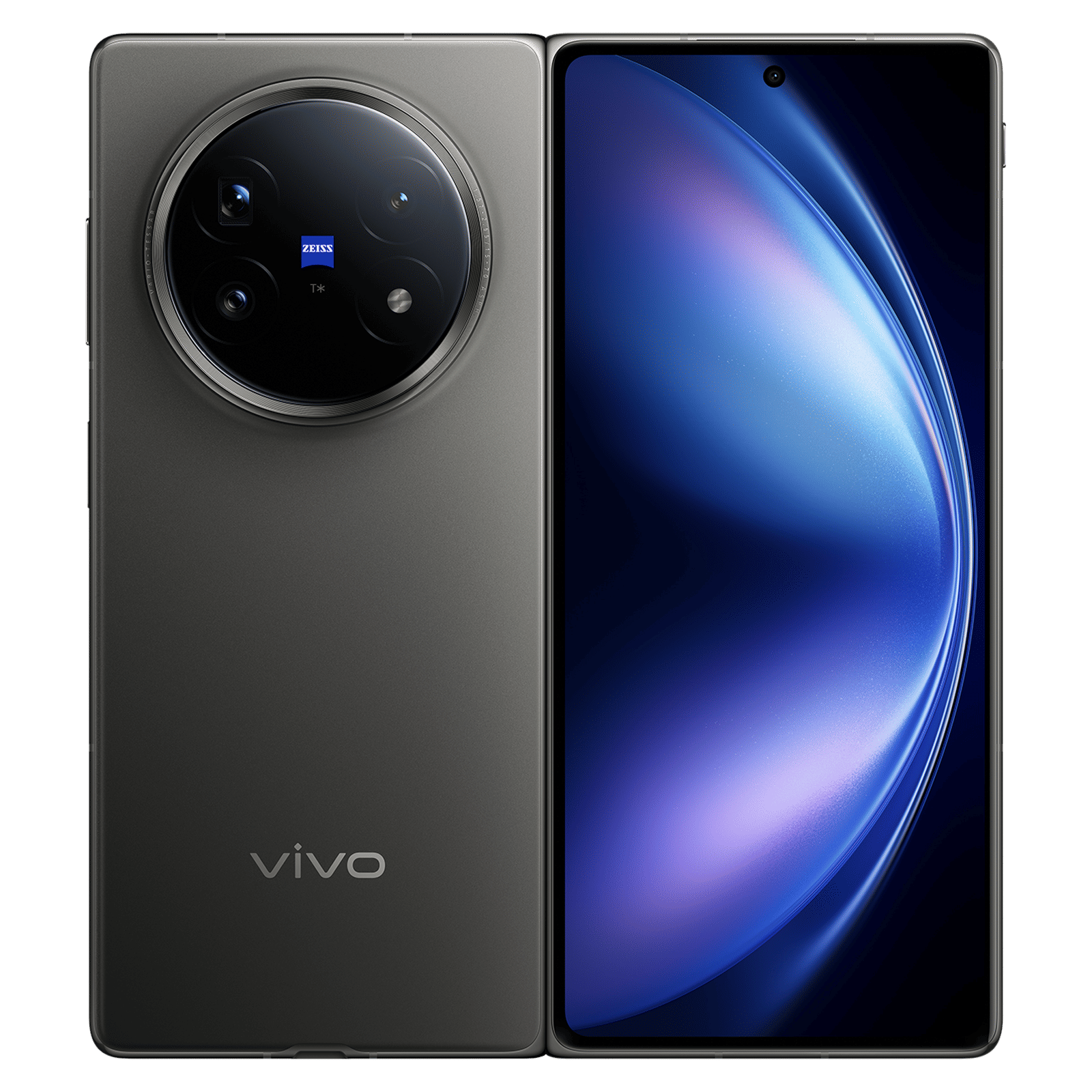
She reads news on one half of the screen and jots notes on the other. She hops on video calls and watches Netflix during flights – does almost everything that she’d do on a laptop. Compared to slab phones, “I love the screen flexibility. I can catch up on work, attend video calls, and multitask like I’m on a mini laptop.”
Purandare has also influenced a few colleagues to switch, though she admits many still think of it as a luxury. “For most people, it still feels like an indulgence,” she says. “And it took me a couple of generations to fully trust the hardware, too.”
That trust has grown with time, however. And with the new Galaxy Z Fold 7, she no longer has to worry about small things. It’s more reliable. “The hinge is stronger. The outer screen feels natural. And I’m not babying it anymore.”
ALSO READ: Samsung Galaxy Z Fold 7 first impressions
But, what if she had to go back to a regular phone? “I’d miss the immersive screen most. Everything else just feels cramped after getting used to the larger inner screen.”
Purandare is also a fan of the split-screen multi-tasking experience, and she can’t think of going back to the cramped and monotonous UI.
There are big pain points, however
Foldables may be the future, but they’ve had a rough start. Delicate screens, fragile hinges, and sky-high prices kept early adopters on edge and everyone else away. One of the major reasons that compels early adopters of fold-style devices is the productivity use case, according to Prabhu Ram, VP at CyberMedia Research (CMR)
Talking about flip-style foldables, he says that “flip variants are increasingly seen as lifestyle-driven choices.” Despite the perception of early adopters, there’s still a gap in the market and pain points that are slowly being addressed.
ALSO READ: Samsung triple folding phone in the works, likely to launch late in 2025
“The fundamental gap is a lack of a clear and differentiated value proposition over premium slab smartphones,” says Ram.
Moreover, exorbitant prices and durability in the long term are also two of the hurdles holding people back from making a buying decision. “Durability remains a sticking point,” says Ram. “Even though the tech has improved significantly, people are still wary of accidental drops, scratches, and the high cost of repairs.”
According to CyberMedia Research (CMR), there are continued consumer concerns around accidental drops, scratches, and water resistance. While durability, price, and use case remain the three factors that hold buyers from making the switch, there are more pain points that the early adopters have pointed out.
These include the noticeable crease, screen protector issues, and the hardware, which isn’t as good as a flagship slab phone.
“The crease is still visible, but it’s improved. The inner screen remains more fragile than a typical screen, and I’ve also seen the screen protector peeling off,” says Purandare, while mentioning her pain points of owing a foldable phone.
Other than this, there’s a general consensus about foldables in the market, and it’s about the hardware. Since the major focus and cost of making foldables go into the screen, things like cameras or battery are being left out.
Consider the cameras, for instance. While the flagship slab phone gets the best cameras, the foldable tends to miss out on a couple of things. Be it the actual sensor or some features. The Z Fold lineup, for example, has had a weaker camera system for a while when compared to the Galaxy S Ultra model. And, most foldables had a smaller battery to begin with.
These compromises, gaps, and pain points revealed by early adopters and experts hint at why it’s a cautious market. That said, things are changing.
Foldables are getting the much-deserved attention from brands. They are no longer concepts, and there’s enough competition coming in, which has resulted in brands naturally becoming more competitive and mindful with their offerings.
What’s changed in 2025?
After seven years of iterations, foldables have finally hit their stride. They are lighter, thinner, tougher, and more intuitive.
Software too is catching up with app experiences now smoother, and manufacturers have made noticeable leaps in build quality. Purandare’s experience reflects this evolution. “The screen feels natural, and the hinge is stronger. The phone (Z Fold 7) overall is easier to use,” she says.
That confidence has allowed her to use the device as it’s meant to be used. Unlike before, where people used to carry a slab phone alongside a foldable, that trend is steadily vanishing.

Now, there’s no need for a backup phone in the bag. Just one device that does the job of three – a smartphone, a tablet, and a mini laptop. And it’s not just Samsung in the game anymore.
The Z Fold 7 now has almost the same cameras as the Galaxy S25 Ultra, and the Vivo X Fold 5 boasts the biggest battery in foldables yet. Plus, both these phones are slim and a bit more durable.
Foldables in 2025 are expected to get a couple of things right – the design (more usable than awkward), durability (stronger hinges and better resistance), cameras (flagship-grade cameras), and battery (bigger, thanks to the silicon-carbon technology).
While brands try to perfect the foldable recipe, and specs and hardware play a major role, there’s one more thing that may make foldables get the much-needed attention. And that could very well be Apple’s wildcard entry.
The Apple wildcard
Foldable phones available so far were slow on upgrades, the new ones are catching up, and going forward, we may finally see foldables becoming fairly common, not just due to the hardware upgrades, but also due to a trend that may bring an inflection point.
That trend could be set by Apple, as hinted by Ram. “After seven years in the market, foldables have matured technically and are poised for their iPhone moment,” says Ram.
“An Apple entry could serve as the inflection point. Backed by its integrated ecosystem, design excellence, and influence over both consumers and developers, Apple is uniquely positioned to reshape perceptions and catalyse foldable adoption at scale.”

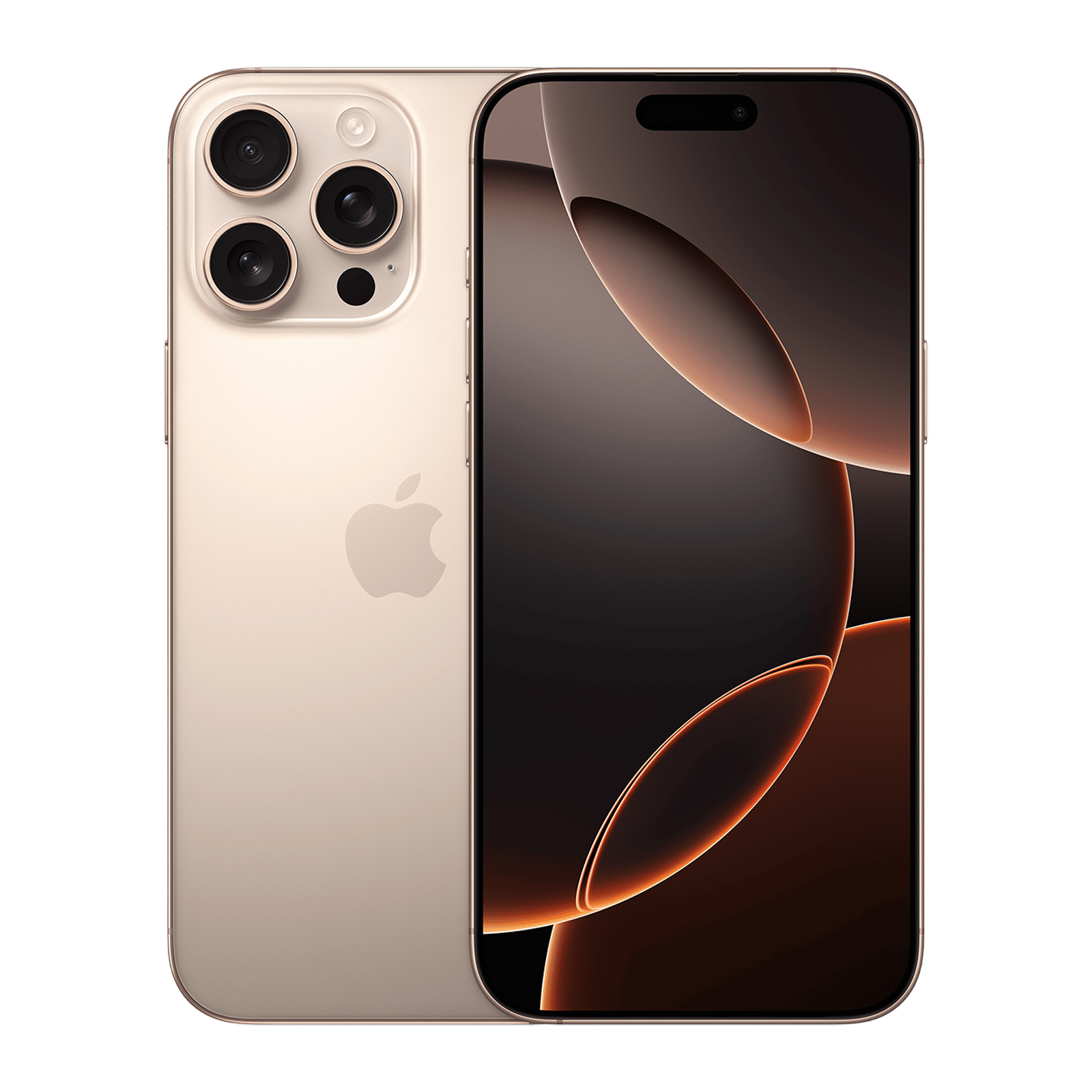
Once Apple gets into the space, expect a trickle-down effect, and in no time, we might have several foldable options to choose from. So, it’s not just the specs and hardware, or the gap that’s slowing bridging, but also the right time and pricing. The latter is expected to go down once bendable screens and the hardware inside aren’t uncommon anymore.
ALSO READ: Best smartphones with IP ratings that can bend and handle the rains
The research is done, the iterations have arrived; now, it’s time to perfect, and that may happen sooner than later. With competitive specs, price, and a variety of options, foldable phones can finally get the mass appeal they deserve. And early adopters have already made the decision to stick around.
“For me, it’s worth it,” says Purandare while talking about her love for foldable phones.

Unleash your inner geek with Croma Unboxed
Subscribe now to stay ahead with the latest articles and updates
You are almost there
Enter your details to subscribe

Happiness unboxed!
Thank you for subscribing to our blog.
Disclaimer: This post as well as the layout and design on this website are protected under Indian intellectual property laws, including the Copyright Act, 1957 and the Trade Marks Act, 1999 and is the property of Infiniti Retail Limited (Croma). Using, copying (in full or in part), adapting or altering this post or any other material from Croma’s website is expressly prohibited without prior written permission from Croma. For permission to use the content on the Croma’s website, please connect on contactunboxed@croma.com
- Related articles
- Popular articles
Pranav Sawant
Comments