







Flour shows up in a lot of what we eat, be it rotis, parathas, or naans that are staples in our diets, or even gluten-free breads. But most of the flour you buy at the store is often stripped of nutrients and loaded with preservatives, meaning you’re not getting the full nutritional value grains like wheat can offer.
That’s where a home flour mill comes in. It lets you grind your own flour fresh, whenever you need it, and you also get better taste, more nutrition, and full control over what goes into your food. Furthermore, you can even choose from a wide range of grains, from traditional wheat and millet to rice, corn, and gluten-free options, without worrying about additives. So, if you’re ready to invest in a flour mill, here’s how to choose the best one for home use.
How to choose the best flour mill for home use?
If you’re thinking of grinding your own flour at home, a good flour mill can make all the difference. More than just going fresh or homemade, it’s about control.
ALSO READ: 5 gadgets to level up your kitchen setup
You decide what goes in, what stays out, and how fine or coarse the flour turns out. But not every mill is built for home kitchens or daily use. Here’s what to look for when selecting a flour mill for home use:
1. Grain capacity
The first thing to consider is how much flour you usually need. If you’re only grinding for occasional use, say, a weekend bake or a couple of flatbreads, a smaller mill will do fine. But if you’re planning to replace store-bought flour altogether or cook for several people, a higher-capacity model will save you time and effort.
2. Motor power
Larger capacity means heavier loads, and that’s where the motor comes in. A more powerful motor doesn’t just speed things up; it can also handle tougher grains without strain.
ALSO READ: How the aata chakki became an integral part of our households
If you’re planning to work with millet, maize, or even rice, aim for something in the 750 watt –1000 watt range. It’ll give you smoother grinding, less wear on the machine, and better long-term reliability.
3. Grinding control
You’re not always going to want the same type of flour. Some recipes need a super-fine grind, others do better with something coarser. Good flour mills give you options like fine, medium, coarse and let you switch between them easily. This flexibility becomes important once you start experimenting with different grains or styles of cooking, from chapatis to cakes to dosa batter.
4. Build quality
Once you’ve got power and performance figured out, look at what the flour mill is made of. Stainless steel is common for a reason as it’s durable, easy to clean, and holds up well with frequent use. If the mill uses plastic, make sure it’s high-grade and doesn’t feel flimsy. A well-built machine won’t just last longer, it’ll also feel more stable and safe when in use.
5. Easy to use and clean
You want a mill that’s simple to operate. Flour dust builds up fast, and if the mill is tough to take apart or clean out, it’ll end up sitting on your counter unused.
ALSO READ: Food processors vs blenders: What’s the difference?
Look for models with removable parts or open designs that let you reach all the corners. Some parts may be dishwasher-safe, but even a simple wipe-down should be quick and painless. The easier it is to clean, the more likely you are to use it regularly.
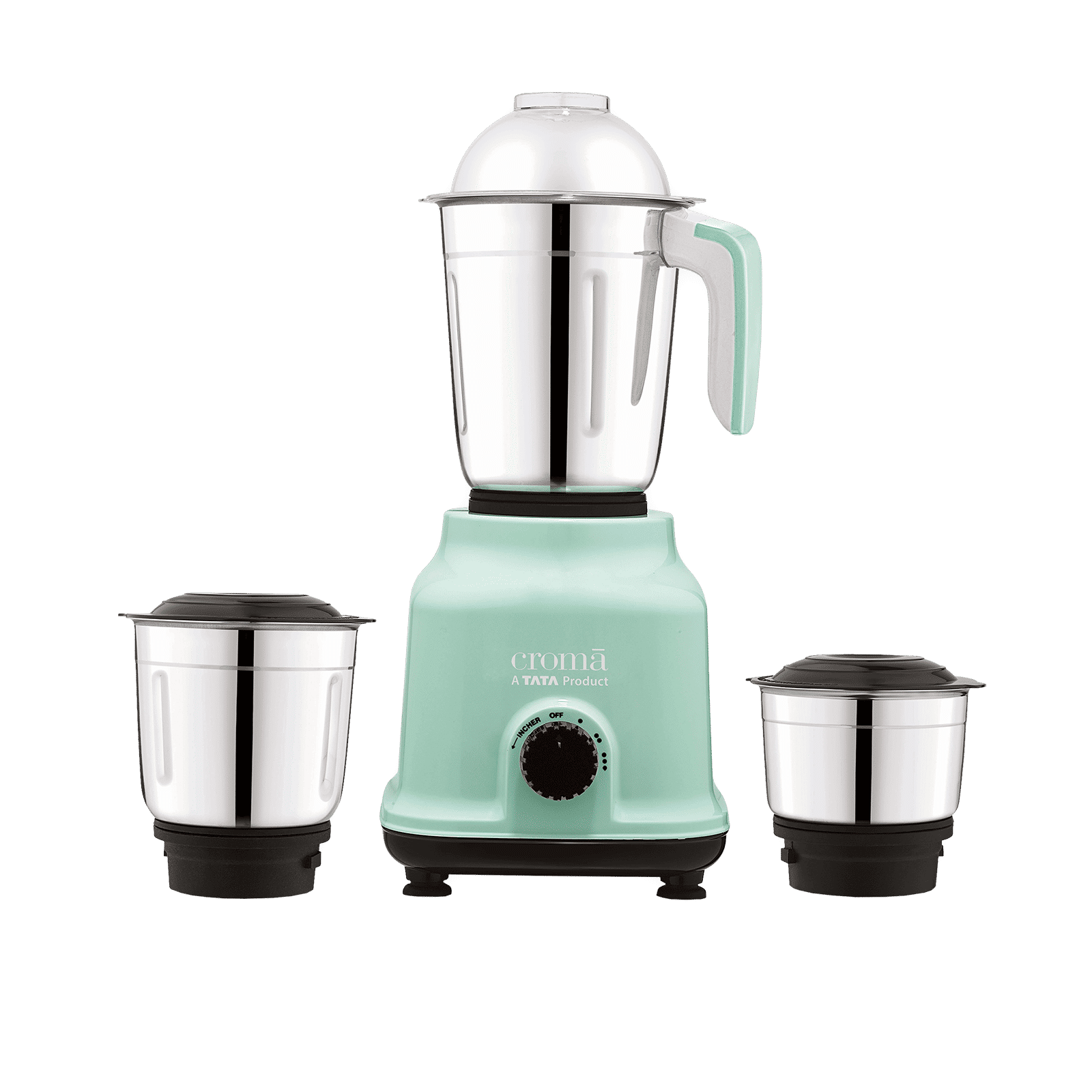
6. Noise level
Some mills can be surprisingly loud, especially the high-speed ones. If you live in an apartment, have kids, or just want some peace while you cook, look for flour mills that advertise or mention low-noise operation or come with insulated housings. A quieter mill won’t change how it grinds, but it definitely will change how often you’ll want to use it.
7. Support and warranty
Once everything else checks out, make sure the brand offers decent post-purchase support. A good warranty (at least 2–4 years) can make a big difference if something breaks or slows down. It’s also worth reading reviews, not just about performance, but how the company handles issues and problems.

Unleash your inner geek with Croma Unboxed
Subscribe now to stay ahead with the latest articles and updates
You are almost there
Enter your details to subscribe

Happiness unboxed!
Thank you for subscribing to our blog.
Disclaimer: This post as well as the layout and design on this website are protected under Indian intellectual property laws, including the Copyright Act, 1957 and the Trade Marks Act, 1999 and is the property of Infiniti Retail Limited (Croma). Using, copying (in full or in part), adapting or altering this post or any other material from Croma’s website is expressly prohibited without prior written permission from Croma. For permission to use the content on the Croma’s website, please connect on contactunboxed@croma.com
- Related articles
- Popular articles
Shubhendu Vatsa
Comments