







Smartphone cameras have improved significantly over the years. However, the biggest advancement has been in the zooming capabilities and its underlying tech. Most budget and mid-range phones come with telephoto cameras. On the other hand, flagship offerings feature a periscope lens. Both are designed to bring distant subjects closer but work in different ways. And of course, they have their benefits and drawbacks. It affects the final image quality, the camera’s low-light performance, and the smartphone’s design.
In case you’re looking to learn everything about telephoto and periscope cameras on smartphones, we’ve got you covered in this story.
What is a telephoto camera?
A telephoto camera has a fixed but longer focal length than a primary sensor. It relies on true optical zoom instead of digital zoom which reduces the image quality. Telephoto cameras don’t have any moving parts. The magnification is achieved through a combination of convex and concave lenses. They have a standard circular lens opening similar to other sensors on a phone.
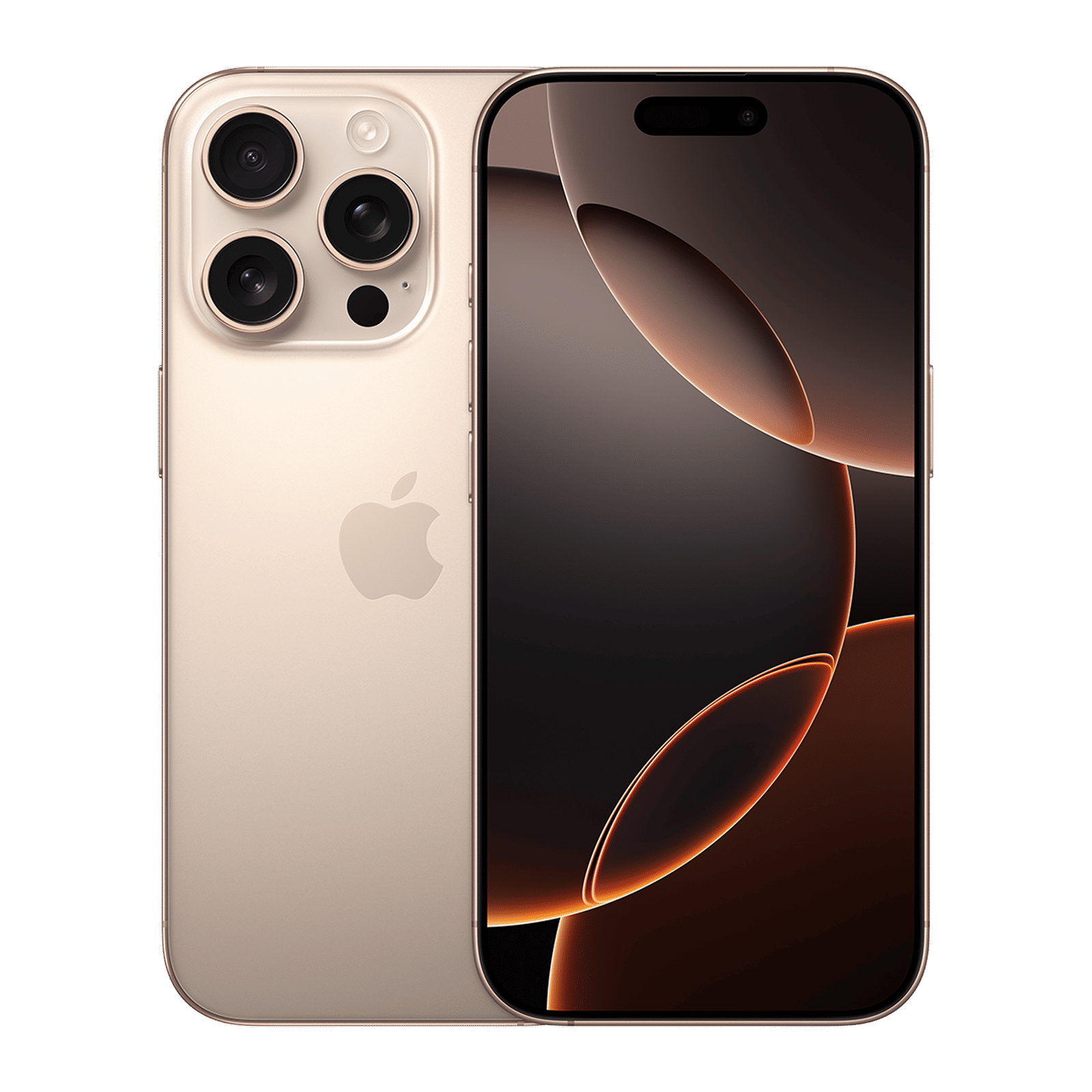
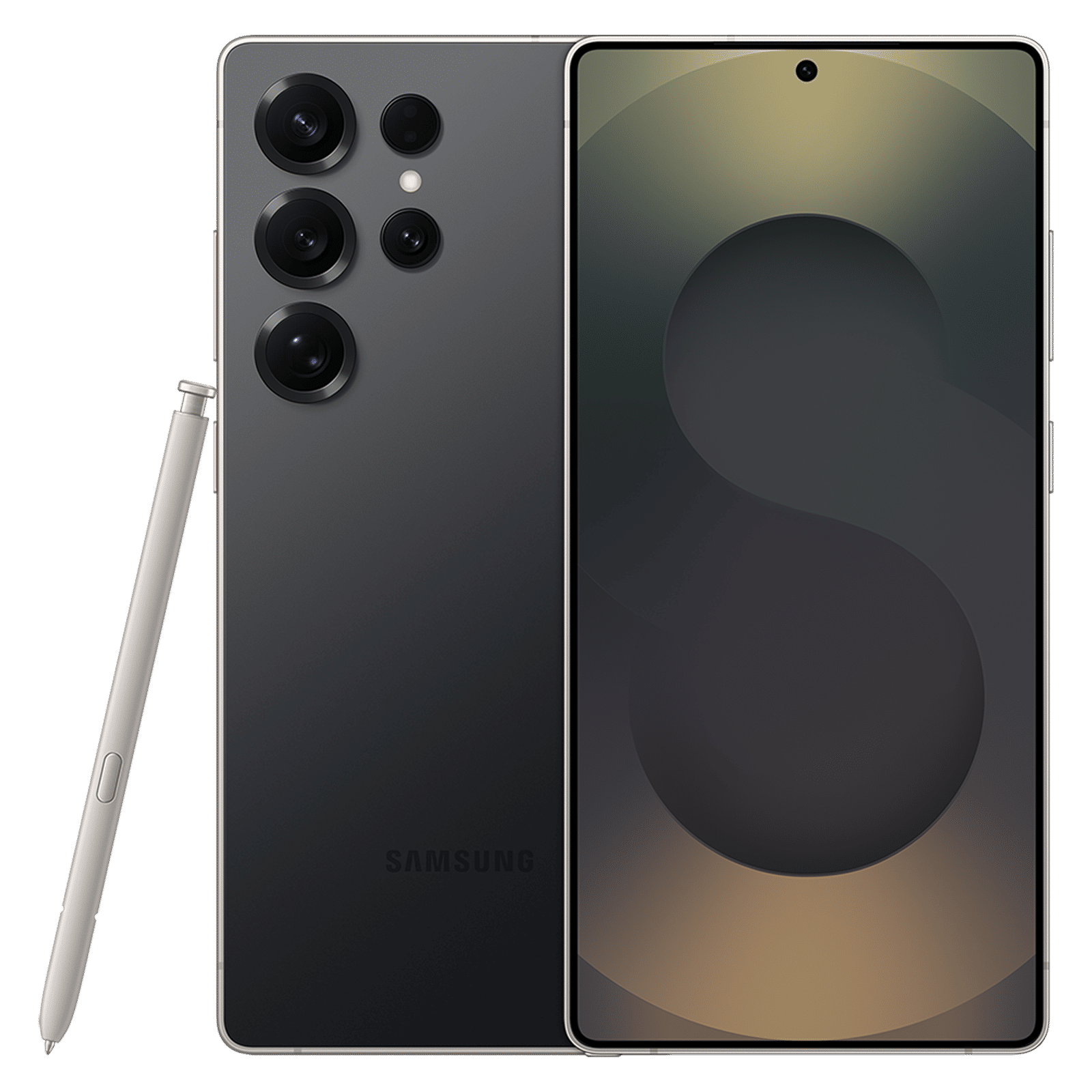
What is a periscope camera?
Periscope cameras are simply an advanced version of telephoto lenses. It has multiple lenses in a sequenced order and uses a prism and mirror system to bend (or bounce) light at an angle. This results in a higher degree of magnification compared to a regular sensor or even a telephoto unit.
A periscope module takes up significant space inside the phone’s chassis to achieve a high zooming range. This is why the sensor is positioned perpendicular to the phone’s body and has a rectangular opening.
Decoding the zoom values
It’s worth noting that smartphone OEMs often offer a combination of optical, digital, and in-sensor zoom across the camera setup. Most telephoto lenses in a smartphone have between 2x and 5x zoom whereas periscope cameras usually offer between 5x to 10x zooming capability. The latter also offers hybrid zoom going beyond 100x.
ALSO READ: Samsung Galaxy S25 Ultra vs iPhone 16 Pro Max camera zoom test
Breaching the mentioned zoom value means that the device will switch to a digital zoom which crops the image in real time to achieve a further zoom level.
The difference between telephoto and periscope lenses is clear in terms of the resultant image. The former is ideal for providing optical zoom over shorter distances. On the other hand, periscope cameras offer a superior zoom range for clicking detailed and sharper images of subjects that are much farther away without having to get close to them.
Pros and cons of telephoto and periscope phones
| Telephoto phones | Periscope phones | ||
| Pros | Cons | Pros | Cons |
|
|
|
|
|
|
|
|
|
|
|
|
Which one makes sense?
A smartphone with a telephoto camera is the ideal choice if you take portrait shots and casual zoomed-in photos. Hobbyist photographers who love capturing landscapes and distant details such as wildlife or sports must lean towards a phone with a periscope camera. The ultimate choice depends on the individual needs, and it’s important to note that each one comes with its trade-offs.

Unleash your inner geek with Croma Unboxed
Subscribe now to stay ahead with the latest articles and updates
You are almost there
Enter your details to subscribe

Happiness unboxed!
Thank you for subscribing to our blog.
Disclaimer: This post as well as the layout and design on this website are protected under Indian intellectual property laws, including the Copyright Act, 1957 and the Trade Marks Act, 1999 and is the property of Infiniti Retail Limited (Croma). Using, copying (in full or in part), adapting or altering this post or any other material from Croma’s website is expressly prohibited without prior written permission from Croma. For permission to use the content on the Croma’s website, please connect on contactunboxed@croma.com
- Related articles
- Popular articles
Viraj Gawde
Comments