







Boot speed tests are useful when two phones are closely matched. They cut through spec sheets and marketing claims and show how hardware choices translate into everyday responsiveness. We put the Redmi Note 15 Pro+ and the Realme 16 Pro+ side by side in a cold boot test.
Both carry the “Pro+” badge and sit in a similar price and performance bracket, but surprisingly, the result was far less telling than expected. The phones booted within milliseconds of each other, with no consistent winner across multiple runs. Let’s dive in.
Redmi Note 15 Pro+ vs Realme 16 Pro+: Why boot times are nearly identical
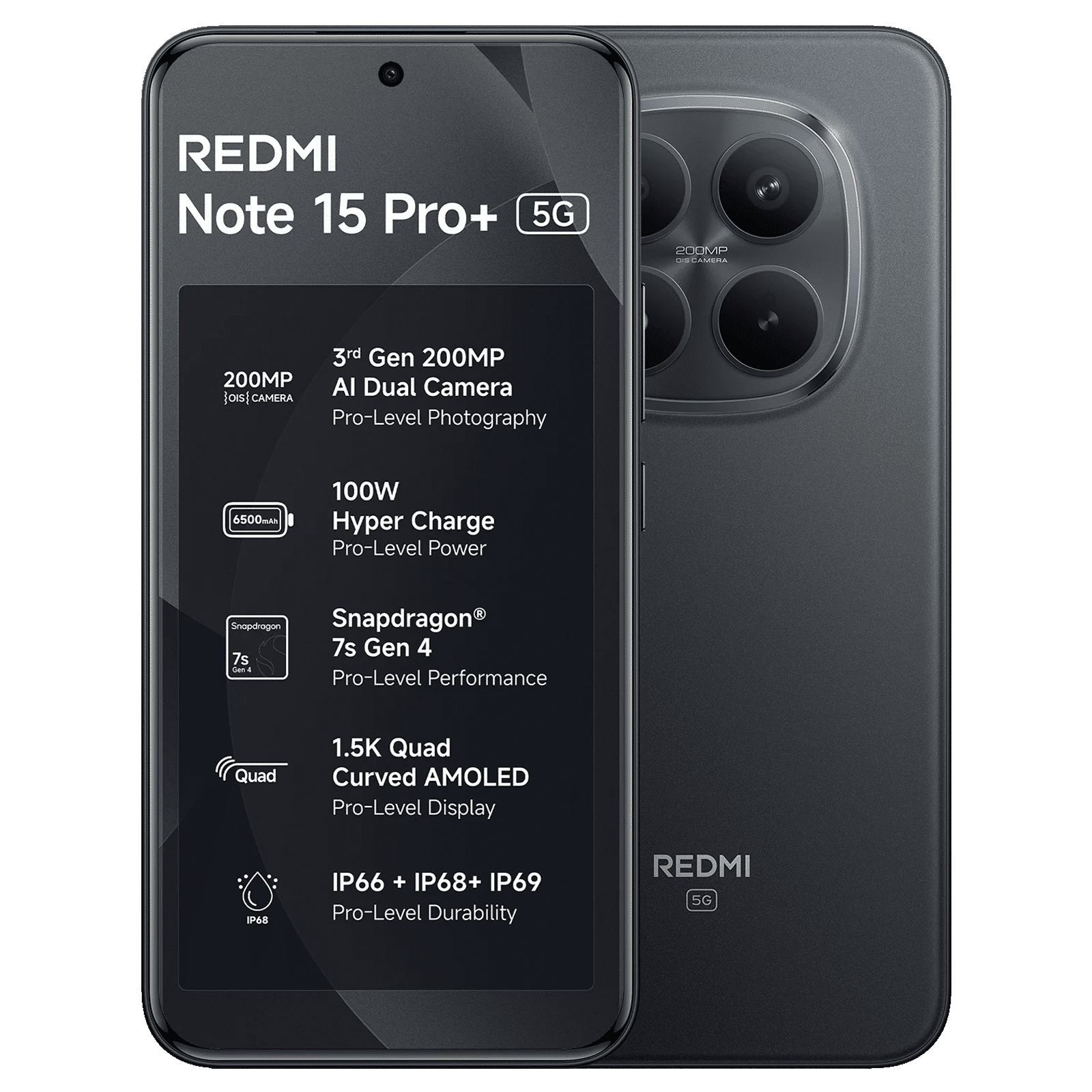
The reason is straightforward. These two phones run on very similar silicon. The Redmi Note 15 Pro+ uses the Snapdragon 7s Gen 4 with a peak clock speed of 2.7GHz, while the Realme 16 Pro+ runs the Snapdragon 7 Gen 4, clocked slightly higher at 2.8GHz.
ALSO READ: The Redmi Note 15 Pro+ is steady, reliable, and built for the long haul
On paper, the Realme chip looks marginally stronger, but in real-world booting, that small frequency bump does not translate into a visible advantage. When processors are this close in class and system optimisation is comparable, boot speed differences tend to flatten out. And that is exactly what we saw here.
Redmi Note 15 Pro+ vs Realme 16 Pro+: Where differences start to matter
Interestingly, storage did not influence boot times either. The Realme 16 Pro+ uses faster UFS 3.1 storage, while the Redmi Note 15 Pro+ sticks to UFS 2.2. Booting, however, is more CPU-bound than storage-bound, so both phones reach the home screen almost together.
That said, the storage gap should show up elsewhere. App launches, large file transfers, and background installs are areas where the Realme 16 Pro+ is likely to feel quicker over time thanks to UFS 3.1.
Redmi Note 15 Pro+ vs Realme 16 Pro+: Beyond boot speed
Outside raw performance, the phones begin to separate more clearly. Both offer similar-looking displays, but the Realme 16 Pro+ pulls ahead in imaging, thanks to a periscope telephoto camera and a higher-resolution selfie shooter. It also packs a larger 7,000mAh battery, giving it an edge in endurance on paper.

If you care about faster app launches, stronger cameras, and longer battery life, the Realme 16 Pro+ holds the advantage. If boot speed is your only concern, both phones are effectively equal. But do note that the Realme 16 Pro+ is slightly pricier. So, which one would you pick, and why? Let us know in the comments section below.

Unleash your inner geek with Croma Unboxed
Subscribe now to stay ahead with the latest articles and updates
You are almost there
Enter your details to subscribe

Happiness unboxed!
Thank you for subscribing to our blog.
Disclaimer: This post as well as the layout and design on this website are protected under Indian intellectual property laws, including the Copyright Act, 1957 and the Trade Marks Act, 1999 and is the property of Infiniti Retail Limited (Croma). Using, copying (in full or in part), adapting or altering this post or any other material from Croma’s website is expressly prohibited without prior written permission from Croma. For permission to use the content on the Croma’s website, please connect on contactunboxed@croma.com
- Related articles
- Popular articles
Dhriti Datta
Comments