







The television set – or TV as most of us commonly refer to it as – is visible in homes, workspaces, and even public places all over the world now. The access to entertainment and information it provides is nothing short of revolutionary, making it an aspirational purchase for all regardless of income and budget. Today, thanks to different media and methods of access to content including DTH and cable, streaming, and more, there’s so much you can do with a television which makes it a must-have electronic device for every home.
Many of us may not even remember a time without a television set at home, but it has taken decades for the TV to become as ubiquitous as it is today. We explore the invention of the TV, and also take you through some of the major breakthroughs and technologies that have contributed to the TV as we know it today.
When was the TV invented?
The earliest concept of the television in its current form – a combination of images and sound transmitted through wires – was invented in 1884 by German researcher Paul Nipkow. This was a mechanical television of sorts which Nipkow termed as an electric telescope, and used a system of spinning discs to transmit images.
A couple of decades later in the 1900s, researchers and inventors found a way to replace the spinning discs with cathode ray tubes. This was the origin of the CRT television, which was for decades the most popular and widespread type of TV across the world.
In the 1920s, inventors such as Philo Farnsworth and Vladimir Zworykin had developed concepts for the modern television, which went on to become the earliest mass-production TV sets a few years down the line. By the 1940s, television stations were coming up the world over, and by the mid-1950s, more than half of all homes in the US owned a TV. Colour televisions were first introduced in the 1950s, and quickly became the preferred options among buyers.
ALSO READ: Best Sony TV models you can buy right now
In India, television telecasts began in the 1960s, and grew rapidly through the 1970s and 1980s thanks to Doordarshan, India’s government-owned public television broadcaster. Small-screen programming grew through the 1980s, with the 1990s eventually seeing private players entering the fray. All of this led to the popularity of TV sets, as more and more people bought televisions.
TVs over the years
Today, the CRT TVs of previous decades aren’t much in use, and have been replaced by digital televisions and broadcasting methods, including satellite-based direct-to-home (DTH), cable TV, and online streaming. Flat-screen televisions are the norm now, with LCD, LED, Quantum Dot LED, OLED, and mini-LED screen technologies being among the most popular for buyers.

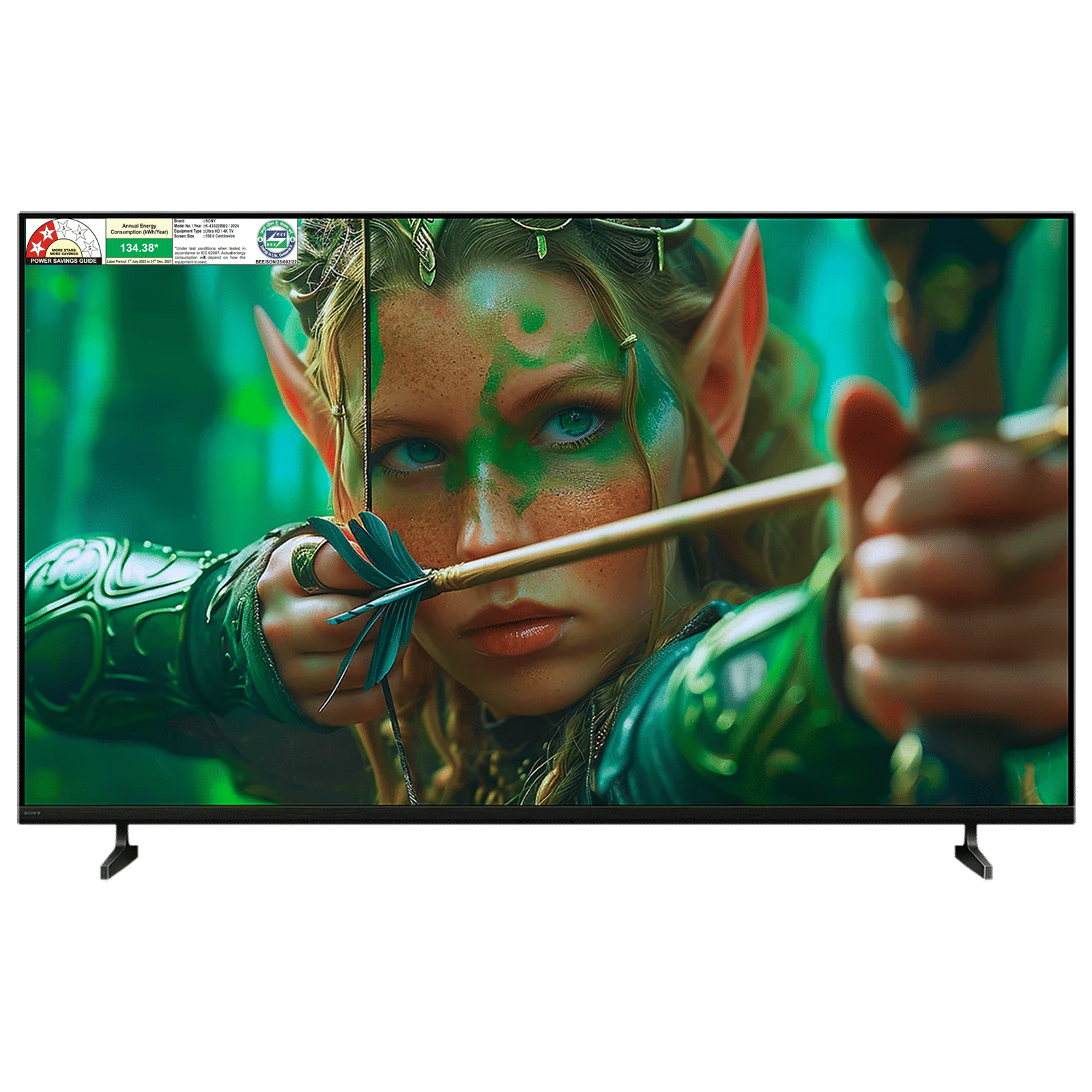
Screen sizes and resolutions vary from small options at under 30 inches across, to massive TVs over 100 inches in size. Ultra-HD televisions and even 8K televisions are available now, with plenty of Ultra-HD content available to watch thanks to online streaming services.

Unleash your inner geek with Croma Unboxed
Subscribe now to stay ahead with the latest articles and updates
You are almost there
Enter your details to subscribe

Happiness unboxed!
Thank you for subscribing to our blog.
Disclaimer: This post as well as the layout and design on this website are protected under Indian intellectual property laws, including the Copyright Act, 1957 and the Trade Marks Act, 1999 and is the property of Infiniti Retail Limited (Croma). Using, copying (in full or in part), adapting or altering this post or any other material from Croma’s website is expressly prohibited without prior written permission from Croma. For permission to use the content on the Croma’s website, please connect on contactunboxed@croma.com
- Related articles
- Popular articles
Ali Pardiwala
Comments