







RPM in the case of ceiling fans refers to rotations per minute. In other words, it is a measure of the number of times a single fan blades rotates 360 degrees around the fan’s central axis. The number of times it does so tells us the speed at which the fan blades are spinning. Now ceiling fan is a useful metric when looking for a fan with high airflow, but it’s not the whole story and only one of several factors that have equal say.
When talking about airflow, what we’re actually looking for is the volume of air being moved, and also the direction. Now a high-rpm fan is moving through the air very quickly compared to a low-rpm fan, but it’s not necessarily improving airflow or moving more air. The other factors that need to be taken into account are blade length and pitch. The type of motor used also has an impact. Here’s how:
Identical fans, different RPM
Take two fans that are identical. If one is running at a higher RPM than the other, that fan is moving more air and thus providing more cooling since the only variability here is speed.
Fixed RPM, different pitch
Think of pitch is the angle of a fan blade relative to its motion through the air. A higher pitch means the blade is at a steeper angle and thus pushing more air when it moves.
In this case, if both fans are moving at the same speed and are otherwise identical, the fan with blades at a steeper angle will move more air and thus create more powerful airflow.
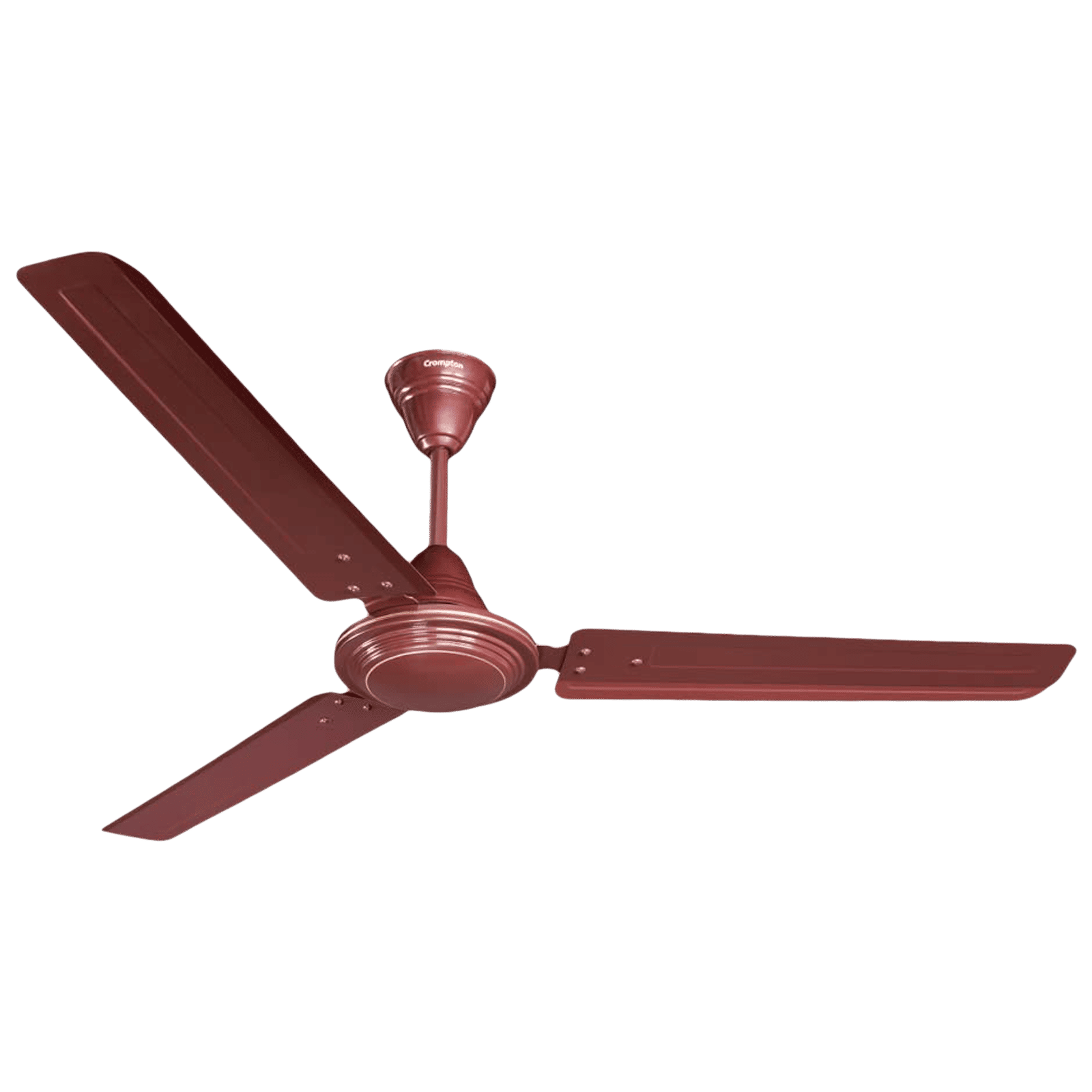
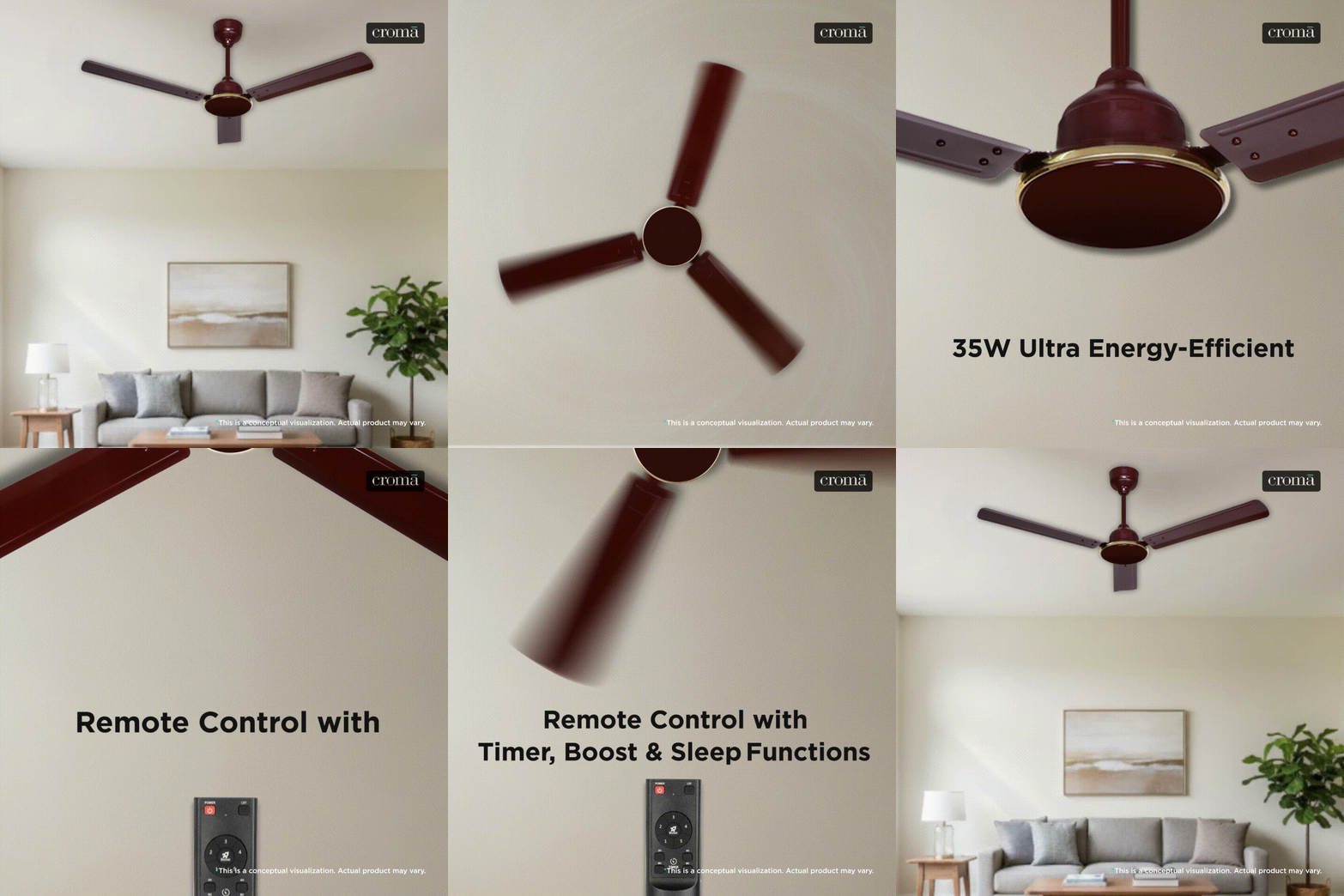
Fixed RPM, fixed pitch, differing blade length
A short fan blade moves less air than a longer fan blade. So, if two fans are moving at the same speed or RPM but one is using short fan blades and the other long ones, the one with long blades is moving more air and is thus creating better airflow. Think of it this way, a 10-inch exhaust fan will need to move much faster to move the same air as a 48-inch ceiling fan.
Other factors to consider
Two things to consider are air speed and noise. A faster fan is usually noisier than a slower fan, so if noise is a concern get a larger fan with a slower RPM. Faster fans also tend to create faster wind, which may not be ideal in, say, a home office setting with a lot of loose papers around. Here again you’ll want to opt for a slower but larger fan that is generating the same airflow, but the air itself is moving slower.
A better metric for a fan’s capability is its CFM or cubic feet per minute rating. This simply indicates the quantity of air that the fan is capable of moving.
ALSO READ: Which fan should you buy: A tower or a pedestal fan?
When it comes to RPM, use it more as a guide for noise level and comfort. 50-100 RPM is great when you want a quiet, gentle breeze in a quiet office or when sleeping, but 200+ is what you want for good airflow. 300+ is noisy and windy but perfect for especially hot rooms or in areas that require a lot of airflow.

Unleash your inner geek with Croma Unboxed
Subscribe now to stay ahead with the latest articles and updates
You are almost there
Enter your details to subscribe

Happiness unboxed!
Thank you for subscribing to our blog.
Disclaimer: This post as well as the layout and design on this website are protected under Indian intellectual property laws, including the Copyright Act, 1957 and the Trade Marks Act, 1999 and is the property of Infiniti Retail Limited (Croma). Using, copying (in full or in part), adapting or altering this post or any other material from Croma’s website is expressly prohibited without prior written permission from Croma. For permission to use the content on the Croma’s website, please connect on contactunboxed@croma.com
- Related articles
- Popular articles
Anirudh Regidi
Comments