







While HyperOS 3 is still making its way to devices, Xiaomi has already moved on to the next step. The company has begun rolling out the HyperOS 3.1 beta, giving a small group of users an early look at what its Android 16-based update will bring.
The first phase of HyperOS 3.1 beta rollout saw devices like the Xiaomi 15 series and the Xiaomi Pad 7 Ultra get access to Xiaomi’s latest and greatest beta software build. Now, the latest beta build has now landed on the Redmi K80 Pro and the Xiaomi 14 Ultra in China, according to Xiaomi Time. These phones join the second wave of HyperOS 3.1 testing.
HyperOS 3.1: List of devices getting the new beta
HyperOS 3.1 is still firmly in beta territory, but Xiaomi appears to be accelerating its testing cycle. The update carries version numbers starting with 3.0.300, which Xiaomi uses to identify the HyperOS 3.1 codebase. Here’s a list of all devices that are receiving the HyperOS 3.1 beta update in the second wave:
– Redmi K80 Pro
– Xiaomi 14 Ultra
– Redmi K90
– Redmi K90 Pro Max
– Xiaomi 17
– Xiaomi 17 Pro
– Xiaomi 17 Pro Max
– Xiaomi 17 Ultra
– Xiaomi Pad 8
– Xiaomi Pad 8 Pro

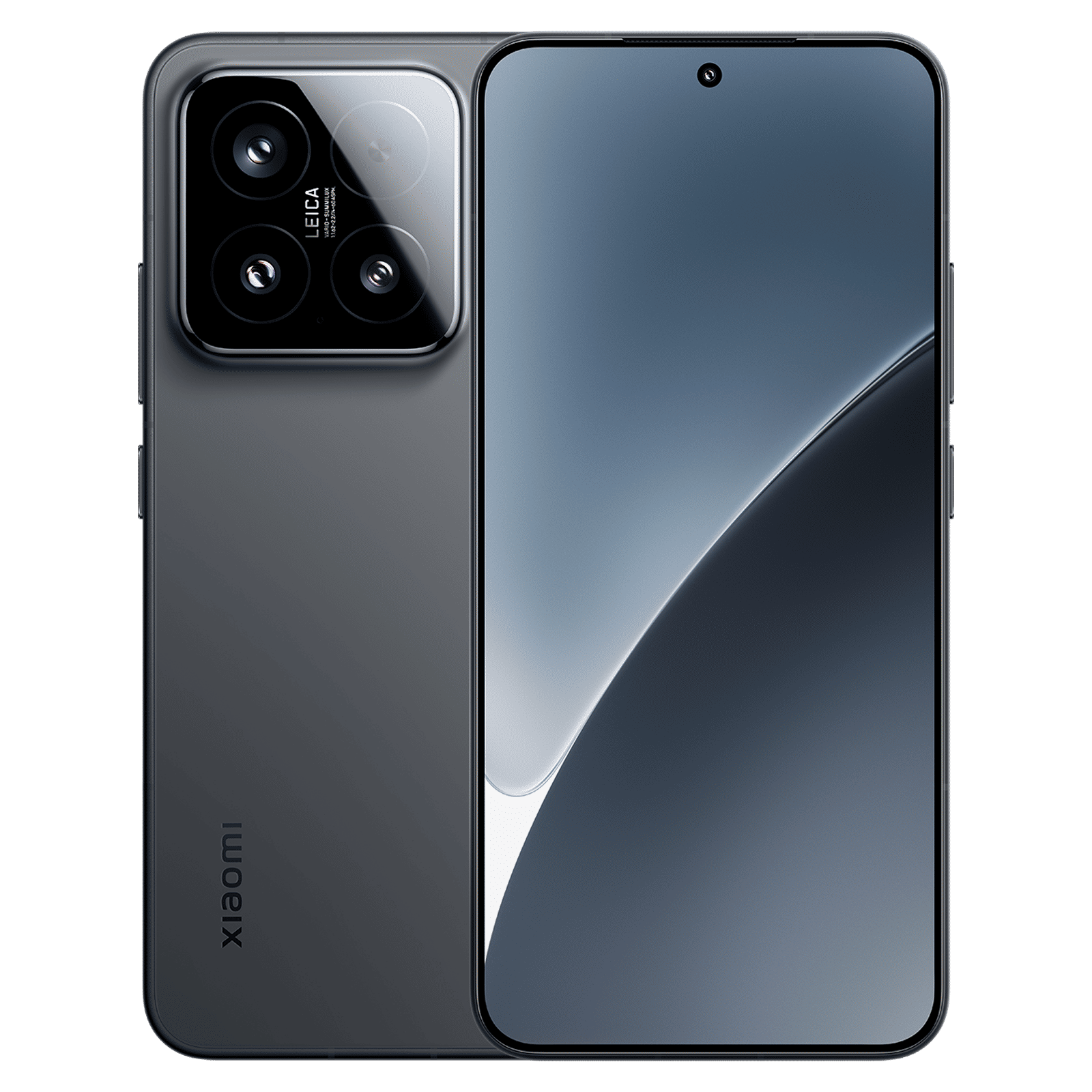
For now, access is limited to users enrolled in Xiaomi’s beta programme. Additionally, HyperOS 3.1 beta builds are only available in China. That said, Xiaomi is reportedly testing global versions of the software on select devices, which suggests a wider rollout may not be far off.
Xiaomi has not confirmed whether the HyperOS 3.1 beta programme will officially open to global users. Still, if past updates are any indication, international releases usually follow once early feedback from China is in.
HyperOS 3.1 beta update: What’s new
HyperOS 3.1 brings a clear focus on speed, intelligence, and personalisation through a series of tightly integrated upgrades. A re-engineered kernel and refined runtime reduce app launch latency by up to 30 per cent, while the new HyperBoost Scheduler dynamically allocates CPU and GPU resources in real time, delivering smoother multitasking on flagship devices.
On the AI front, features such as SmartPay use on-device language models to detect payment prompts across apps and suggest actions without sending biometric data to the cloud, and AI Photo Lab adds offline generative fill and style-transfer tools directly within the Gallery app.
Complementing these changes is a refreshed UI with the new HyperIsland home screen, adaptive icons, a widget carousel, context-aware dark mode, and deeper customisation via multi-page Island layouts and the Theme Composer, giving users greater control over both performance and look-and-feel.
ALSO READ: Xiaomi announces Android 16-Based HyperOS 3 is coming soon to India
For users keen to try Android 16 ahead of schedule, HyperOS 3.1 is shaping up as Xiaomi’s next significant update, one that is already moving faster than expected.

Unleash your inner geek with Croma Unboxed
Subscribe now to stay ahead with the latest articles and updates
You are almost there
Enter your details to subscribe

Happiness unboxed!
Thank you for subscribing to our blog.
Disclaimer: This post as well as the layout and design on this website are protected under Indian intellectual property laws, including the Copyright Act, 1957 and the Trade Marks Act, 1999 and is the property of Infiniti Retail Limited (Croma). Using, copying (in full or in part), adapting or altering this post or any other material from Croma’s website is expressly prohibited without prior written permission from Croma. For permission to use the content on the Croma’s website, please connect on contactunboxed@croma.com

- Related articles
- Popular articles
JØGËNDRÅ PRÃSÂD
I WAITING FOR MY REDMI NOTE 13 PRO UPDATE
Ggfdd Gfdd
I want to update my poco m7 pro 5g to the latest hyperos version 3.0 please
Ritonkar Bose
I want to update my POCO M7 5g to the latest hyperos version 3.1 and 3.0 please
timo success
I want my Redmi note 14 4g have this lastest version hyper0s 3