







I’m sure you’re aware of the phrase, “the best camera is the one you have on you.” Well, the same applies to lenses as well. The limitations of that saying apply as well in that when you want to get better, you’ll want to be intentional about the gear you’re carrying.
When you know what you’re doing, and what you want, gear does matter. If you’re starting out and are only just building up your lens collection, here’s the gear we’d recommend you start with:
24-70 mm - The ultimate all-rounder
The most useful lens in your arsenal will be the 24-70 mm zoom. There’s a good reason why Canon, Sony, Nikon, and even third-party lens makers like Sigma and Tamron have lenses that cover this focal length. Going from wide to a minor telephoto, this focal range is ideal for the bulk of any photographer’s or even videographer’s needs.
You’ll often find that the kit lens covers this focal length, and I’d recommend sticking with that till you can figure out which focal lengths or style of photography you prefer and invest accordingly. Upgrades to the kit could include the very expensive 24-70 F2.8 variants, or the less expensive F4 variants.
50 mm - The nifty-fifty
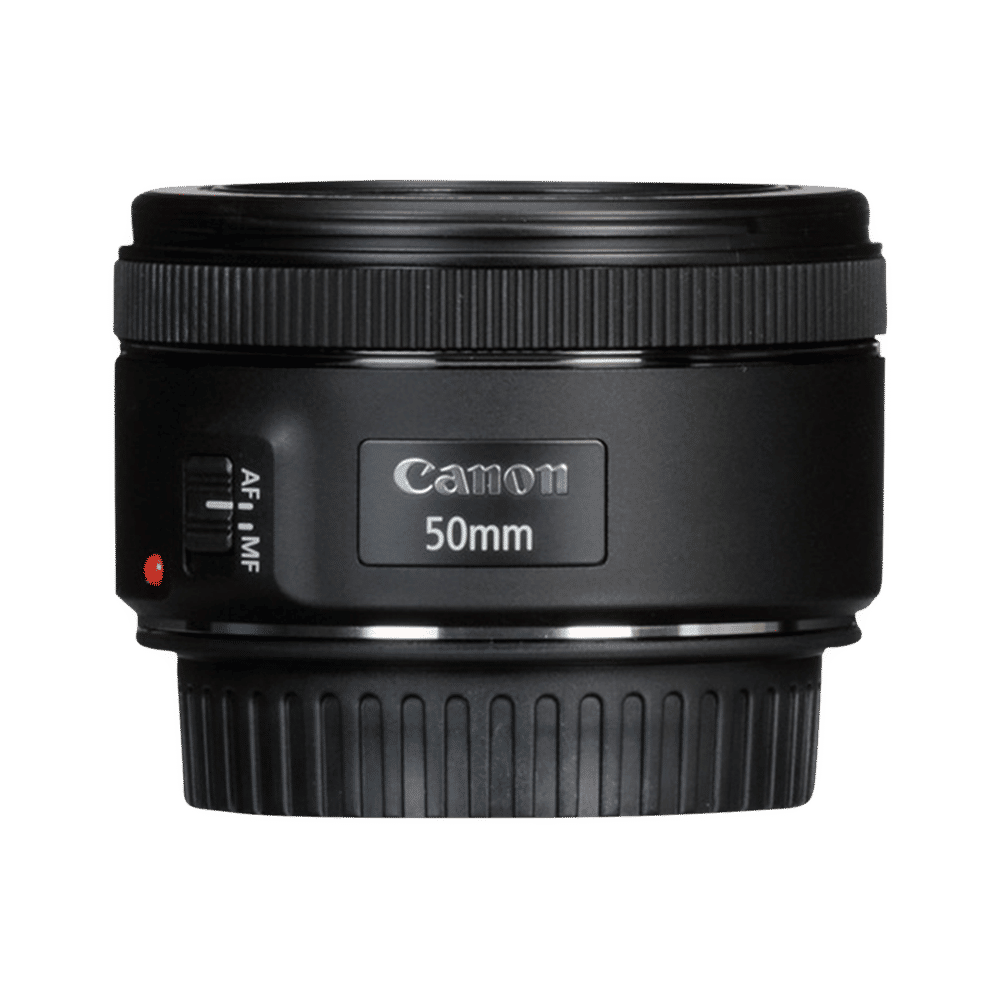
The 50 mm prime lens (aka nifty-fifty) is usually everyone’s first upgrade. A prime lens is one where the focal length is fixed. Part of the reason is that a 50 mm F1.8 prime is very cheap, but the bigger reasons are simply that 50 mm primes are impressively sharp and deliver fantastic image quality despite the price.
They’re cheap because they’re easy to build, not because they’re poor quality lenses. The basic 50 mm F1.8 is available for any camera, and you can get 50 F1.2 variants for a premium if you so choose.
90 mm - Exceptional portraits
If you’re into portraits, an 85 or 90 mm lens is a must-have. These mild telephoto lenses are amazing for portraits for two reasons: Background compression is amazing, and paired with the dreamy bokeh (background blur) that they’re capable of, your portraits will look like they’ve been professionally shot. 90 mm lenses are relatively inexpensive for the quality on offer and you can find older models for under Rs 60,000.
A proper telephoto (300+ mm)
Once you’ve got your basic kit in place, it’s a good idea to invest in a good telephoto lens later, especially if you shoot outdoors. Anything that’s 300 mm or greater will help you capture animals, birds, buildings, and more with significantly more detail than you could manage previously. You can opt for a prime or zoom depending on your budget.
A macro lens - Award-winning close-ups
Nothing beats a macro for close-ups. If you’ve ever wanted to capture insects, details of a retina, and more, you’ll want a macro in your arsenal. These lenses are usually very slow to focus, may not even have autofocus, and require additional accessories such as tripods and more powerful lights. That investment is worth it, however, as macro lenses can capture details you never dreamed existed.
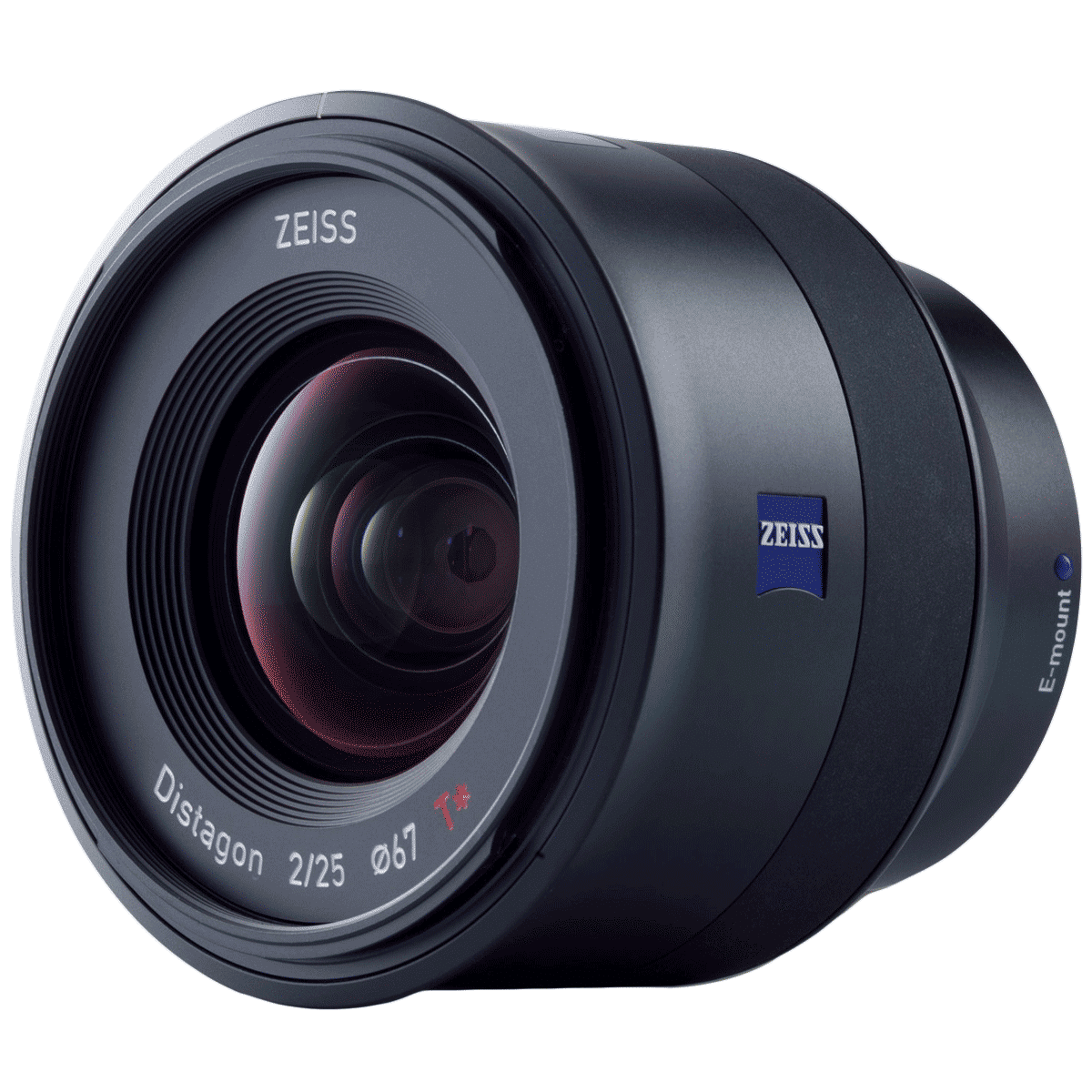
With these five essential lenses in your kit bag, you’ll be ready for any kind of photography you choose to indulge in. Again, start with a kit lens, figure out which focal length you prefer, and plan your upgrade path from there. Also, remember that video lenses and photography lenses differ primarily in their autofocus performance and focus breathing control. For buying the best camera lens for your needs, first define your use-case and then plan accordingly.

Unleash your inner geek with Croma Unboxed
Subscribe now to stay ahead with the latest articles and updates
You are almost there
Enter your details to subscribe

Happiness unboxed!
Thank you for subscribing to our blog.
Disclaimer: This post as well as the layout and design on this website are protected under Indian intellectual property laws, including the Copyright Act, 1957 and the Trade Marks Act, 1999 and is the property of Infiniti Retail Limited (Croma). Using, copying (in full or in part), adapting or altering this post or any other material from Croma’s website is expressly prohibited without prior written permission from Croma. For permission to use the content on the Croma’s website, please connect on contactunboxed@croma.com
- Related articles
- Popular articles
Anirudh Regidi
Comments