







Choosing an air conditioner today is not just about raw cooling power, but how well it works for the space you want to cool. That’s where it helps to understand how a cassette AC and a split AC actually work. A cassette AC is installed into the ceiling and designed to distribute air evenly across larger areas, while a split AC is wall-mounted and delivers more direct cooling, which is why it’s common in homes.
Both can cool a room well, but the way they push air, the kind of installation they require, and the size of the space they’re meant for can change how comfortable and efficient they feel in everyday use. To help you decide, we’ll walk through the main differences and look at which option makes more sense for your space.
Cassette AC vs Split AC: Installation and placement
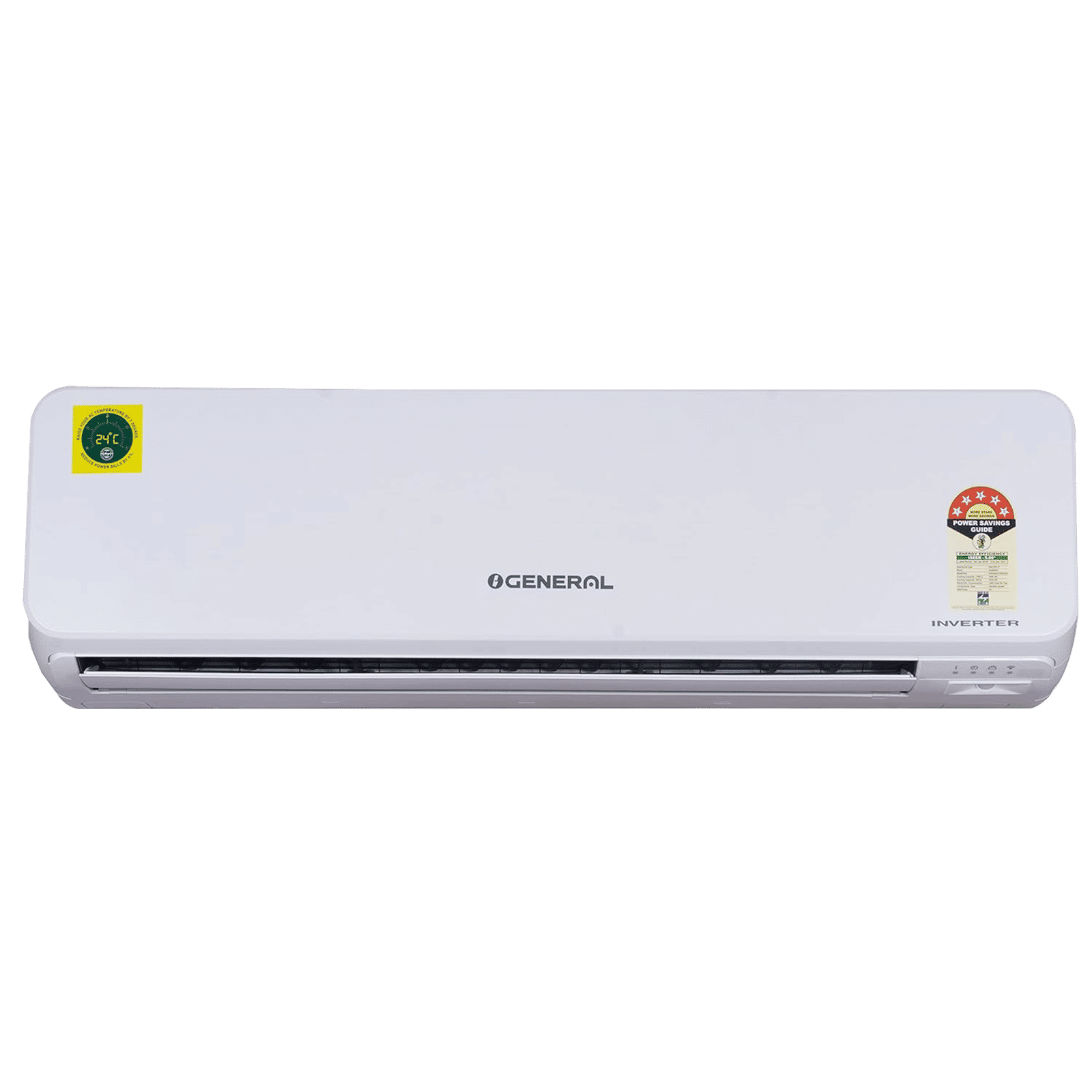
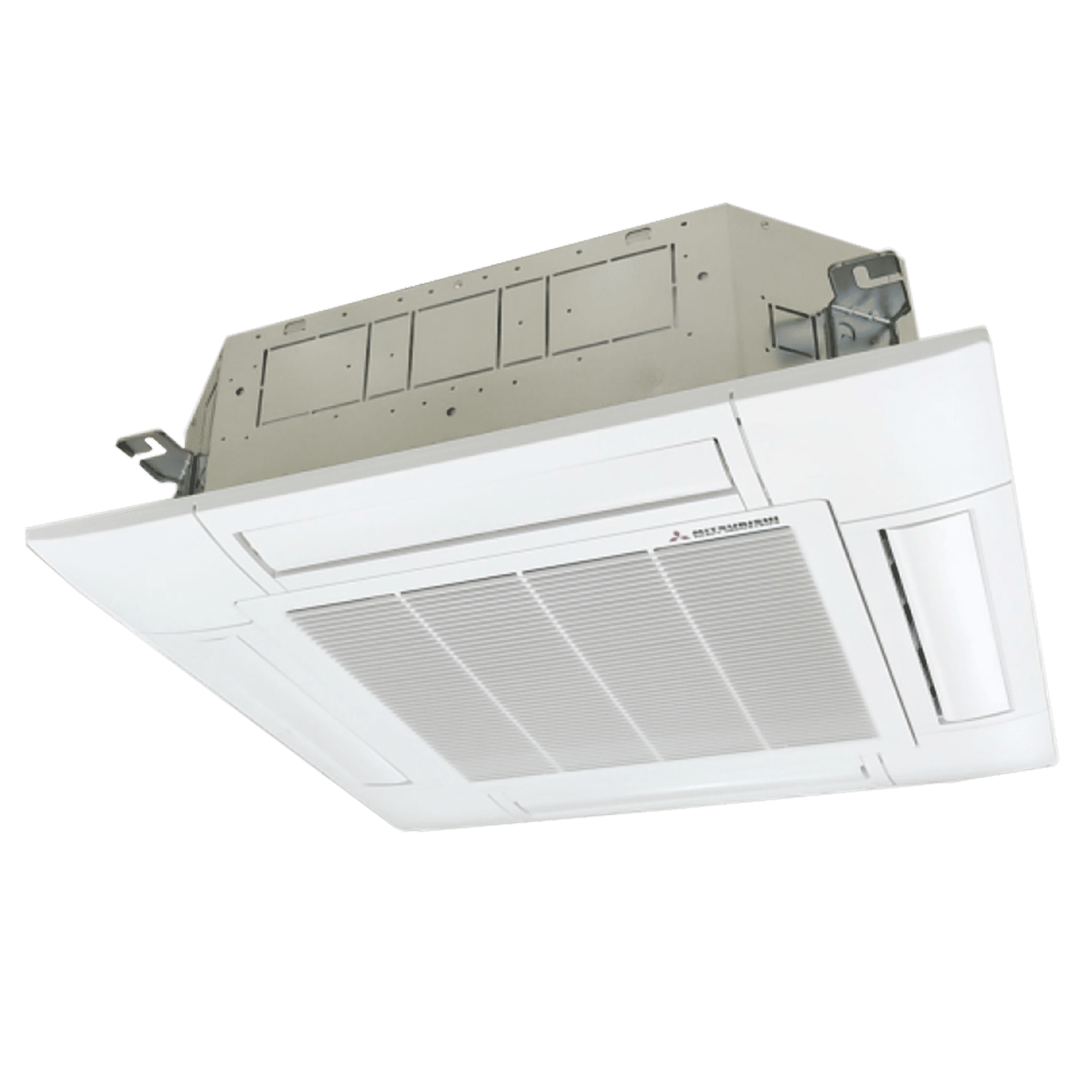
As you might already know, a split AC is wall-mounted and comes with a separate outdoor unit. Installation is fairly simple and usually doesn’t need major changes to your home, which is why split ACs are the go-to choice for most households. A cassette AC sits in the ceiling, with the indoor unit hidden above a false ceiling so only the grille is visible.
Installing one is a bit more involved, often requiring the right ceiling depth, proper drainage, and professional planning. Split ACs are generally easier to set up in existing homes, while cassette ACs are great for spaces that already have false ceilings or are being designed from scratch.
Cassette AC vs Split AC: Cooling area and airflow
Split ACs push air in one direction, which works well for small to medium-sized rooms where this airflow can cool the space effectively. Cassette ACs spread air out from all four sides, providing more even cooling across larger areas. This makes them a great choice for halls, open-plan living rooms, offices, restaurants, and other commercial spaces. For compact rooms, split ACs handle cooling efficiently, while cassette ACs help larger or open spaces avoid hot spots and uneven temperatures.
Cassette AC vs Split AC: Aesthetics and space usage
A split AC goes on the wall and needs a dedicated space. While newer models look clean and contemporary, you’ll still notice the unit in the room. A cassette AC, on the other hand, disappears into the ceiling, with only a flat grille visible. This keeps the room looking cleaner and the walls completely free. So, if you prefer a neat, uncluttered look, cassette ACs have the edge, while split ACs are the easier option when ceiling installation isn’t possible.
Cassette AC vs Split AC: Noise levels
Split ACs produce noticeable indoor noise, mostly from the fan and the way air is pushed into the room. Inverter models are quieter, but you may still notice the sound in very quiet environments. Cassette ACs are generally quieter indoors because the airflow is spread evenly and the main unit is hidden above the ceiling. They’re a better choice for spaces where low indoor noise matters, such as offices or conference rooms.
Cassette AC vs Split AC: Cost and maintainence
Split ACs are generally more affordable, both to buy and to install. Maintenance is also simpler, with easy access to filters and basic servicing. Cassette ACs tend to cost more, thanks to larger capacities and a more involved installation process. Maintenance usually requires professional help because the unit is ceiling-mounted. Split ACs are a better choice for budget-conscious buyers or homeowners who want easier upkeep, while cassette ACs are worth the investment for larger spaces.
Cassette AC vs Split AC: Energy efficiency and power use
Split ACs are more energy-efficient in smaller rooms, especially modern inverter models that adjust power automatically based on cooling demand. This makes them a great choice for bedrooms, studies, or other compact spaces. Cassette ACs usually use more power per hour, but because they spread air evenly across large areas, they don’t have to run constantly to keep the space comfortable. This can actually make them more efficient in offices, halls, or open-plan areas.
Cassette AC vs Split AC: Which one is better?
There isn’t a one-size-fits-all answer. Split ACs work best in bedrooms, small living rooms, or homes where easy installation, lower cost, and simple maintenance matter most. Cassette ACs are better suited for large rooms, open spaces, offices, or places where you want even cooling, low noise, and a clean ceiling-mounted look.
ALSO READ: Window AC vs Split AC power consumption: Which uses less electricity?
For most typical home spaces, a split AC is usually the smarter, more practical choice. But if you’re dealing with a large or open area and want consistent cooling with a discreet setup, a cassette AC is worth considering. Ultimately, the best option depends on your space, budget, and how you use the room day to day.

Unleash your inner geek with Croma Unboxed
Subscribe now to stay ahead with the latest articles and updates
You are almost there
Enter your details to subscribe

Happiness unboxed!
Thank you for subscribing to our blog.
Disclaimer: This post as well as the layout and design on this website are protected under Indian intellectual property laws, including the Copyright Act, 1957 and the Trade Marks Act, 1999 and is the property of Infiniti Retail Limited (Croma). Using, copying (in full or in part), adapting or altering this post or any other material from Croma’s website is expressly prohibited without prior written permission from Croma. For permission to use the content on the Croma’s website, please connect on contactunboxed@croma.com
- Related articles
- Popular articles
Shubhendu Vatsa
Comments