







While you can game on a regular laptop and use a gaming laptop for regular work, their use-cases, and hence their design, is vastly different. While one is designed for efficient productivity, and perhaps for portability, gaming laptops are packed to the gills with power-hungry components designed to offer the highest possible frame-rates. Such choices affect everything from heat and noise to battery life and bling.
Gaming laptop vs normal laptop: Use case
Productivity as most people define it largely involves browsing the web, responding to email, and mucking around in the Microsoft Office suite or Google Docs and giving presentations. This is not particularly demanding on any device, which allows for the use of more efficient, less power-hungry components.
The focus can shift to battery life, slimmer and more office-friendly designs, and cost. The exception here is devices designed for advanced 3D modelling and motion graphics and the like, but these don’t fall into the category of “normal laptops” so we’ll ignore them for now.
ALSO READ: How to choose the right laptop: The ultimate buying guide to the perfect laptop for your needs
Gaming, on the other hand, is much more demanding and requires discrete hardware called GPUs aka graphics processing unit aka graphics card. To accommodate the additional components and power requirements, gaming laptops tend to be larger, more expensive, and have poor battery life. Gaming laptops can be used for productivity, but they’ll be noisy and hot.
Configurations: Power vs efficiency
Regular laptops usually come with a small, low-power CPU and integrated graphics. The latter simply refers to the fact that the GPU is on the CPU die itself for cost and power saving benefits.
RAM is usually limited to about 16 GB and often less, and storage needs are usually satisfied by a small SSD (256-512 GB). Silent operation and portability are preferred, with display, sound quality and design being prioritised in more premium models.
Gaming laptops need fast processors (hot and power hungry), fast GPUs (even hotter and significantly more power hungry), fast RAM, fast storage, and fast displays. All of these components add to the cost and bulk of the device.
This is simply because better gaming performance can only be achieved with faster components. Premium devices tend to use more expensive CPUs and GPUs and offer better quality displays. Speaker quality is usually moot because the laptop fans tend to drown out the speakers.
Power and heat: No-compromise gaming vs silent operation
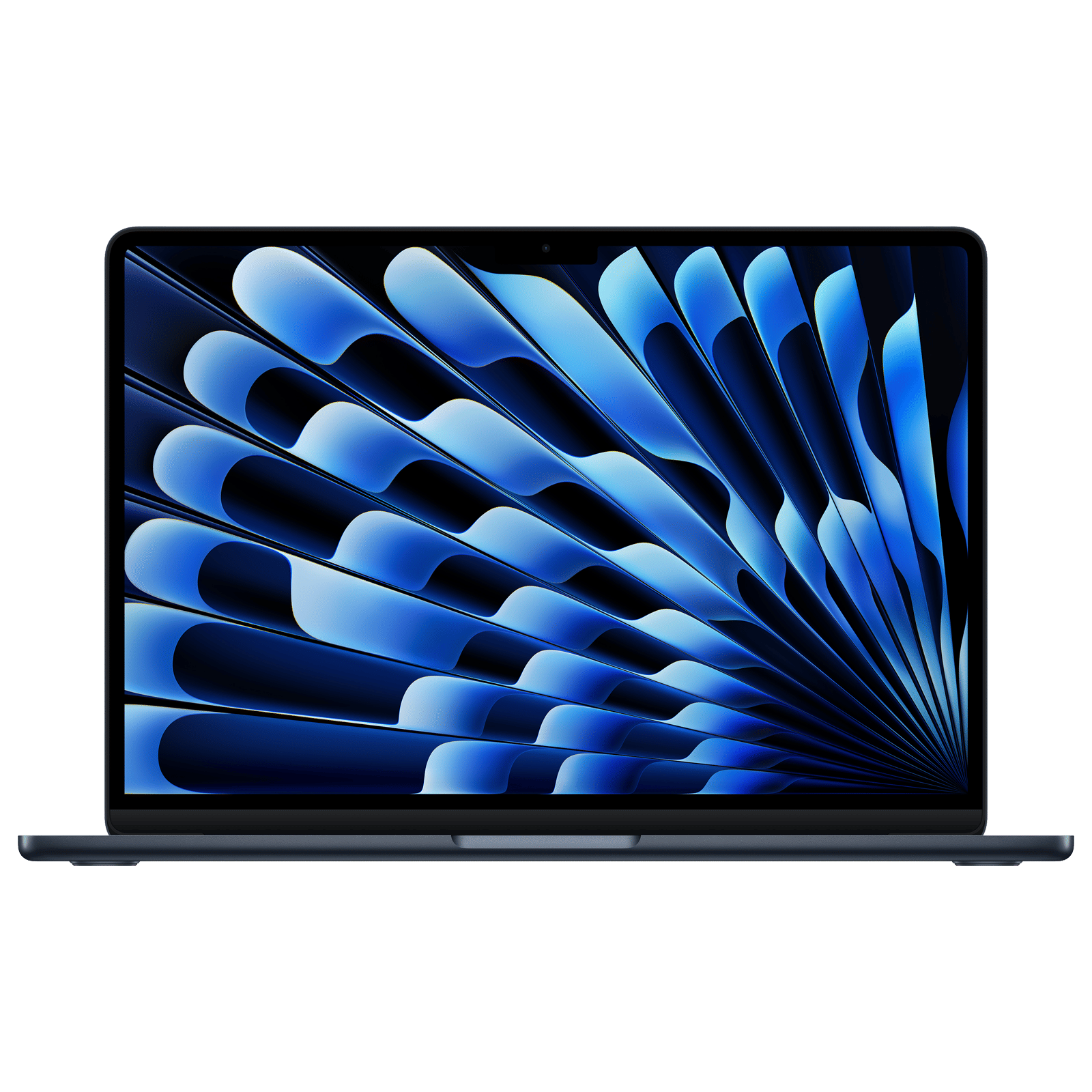
A normal laptop will consume about 30-70 W of power, with some dropping to as low as 10-20 W in some scenarios. This is why normal laptops can get away with slim chargers and smaller batteries. Thermals match the power draw and the heat from these laptops can be handled passively (using just vents) or with a small fan. Generally, these laptops are designed with low noise in mind and will thus use slower, quieter fans.
Gaming laptops draw anywhere from 150-350 W of power, and need to dissipate as much heat. In addition, the laptop’s performance is tied directly to heat output, which is why gaming laptops often use beefy cooling systems with powerful, noisy fans. The hotter a component gets, the slower it runs.
The idea is to dissipate as much heat as quickly as possible to keep gaming performance stable. For this reason, fan noise tends to be high when gaming. Modern cooling techniques involving the use of exotic materials like liquid metal have allowed gaming laptops to slim down considerably, however.
One thing to note is that Windows laptops tend to lose some performance when on battery. This is not a problem on productivity laptops as the power requirements for browsing and typing are already low, but on gaming laptops the drop could take you from gaming at 120+ FPS to less than 30. Again, this is simply because gaming laptops draw so much power that the batteries can’t deliver sufficient power.
Battery life: All-day battery life vs barely-survives-a-commute
Normal laptops can offer 6-8 hours of battery life, while the new crop of ARM-powered devices (Qualcomm Snapdragon), including Apple’s M series MacBooks, can push that to the 12+ hour range.
With a gaming laptop, you’ll be lucky if you get 2-3 hours when not gaming, and perhaps 45 minutes when gaming. Don’t buy a gaming laptop if you intend to work on the go.
Display tech: Quality vs speed
Normal laptops tend to focus either on cost savings or on premium image quality. In either case, the refresh rate is usually locked at 60 Hz. There are exceptions of course, and the choice of display largely comes down to personal preference.
ALSO READ: Eight ways to decorate and make your laptop look new
On gaming laptops, the display refresh rate is critical. Unless you’re gaming on 120+ Hz, games will look choppy and blurry. Basic gaming laptops tend to offer 120 Hz displays while more expensive ones can go up to 240 Hz. There are premium models touching 480 Hz as well. Note that cheaper gaming laptops might compromise colour accuracy and brightness for a higher refresh rate.
Pricing matches the features
Normal laptops tend to be very affordable (under Rs 50,000) owing to the use of cheaper components. You can pay a premium (1,00,000+) for aesthetics and features like better displays, but even these premium devices are no match for gaming laptops in the price department.
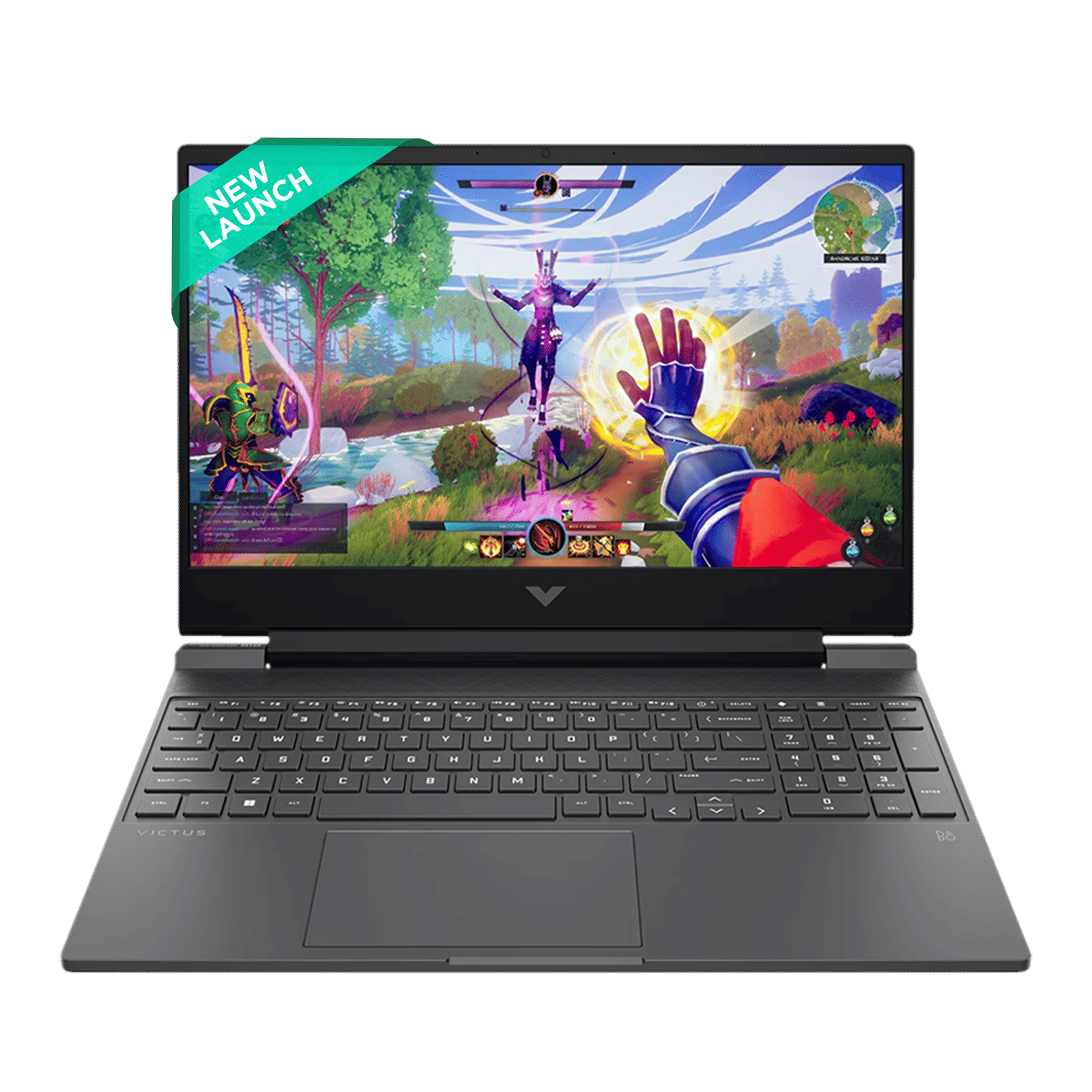
Pricing for an entry-level gaming laptop can start as low as Rs 60,000, but premium ones can be priced at Rs 3,50,000+. Price for the average gaming laptop starts at about Rs 1,20,000. Again, you’re paying for the additional components, cooling system, and faster display.
Normal laptops and gaming laptops are vastly different beasts and only pick one or the other if you’re sure about what you want and what you’re willing to compromise on.

Unleash your inner geek with Croma Unboxed
Subscribe now to stay ahead with the latest articles and updates
You are almost there
Enter your details to subscribe

Happiness unboxed!
Thank you for subscribing to our blog.
Disclaimer: This post as well as the layout and design on this website are protected under Indian intellectual property laws, including the Copyright Act, 1957 and the Trade Marks Act, 1999 and is the property of Infiniti Retail Limited (Croma). Using, copying (in full or in part), adapting or altering this post or any other material from Croma’s website is expressly prohibited without prior written permission from Croma. For permission to use the content on the Croma’s website, please connect on contactunboxed@croma.com
- Related articles
- Popular articles
Anirudh Regidi
Comments