







Smartphone technology has evolved so rapidly that new features are being introduced every now and then. Consumers are spoilt for choice with OEMs offering devices across budget, mid-range, and premium price segments. Among those three, the bridge has significantly narrowed between mid-range and flagship smartphones.
Flagship phones pack cutting-edge innovations, top-tier performance, superior cameras, and more. However, their iterations often come with incremental upgrades. Certain features and specifications from flagships are often trickled down to mid-range smartphones at a fraction of the price. This makes them excellent value for money and are increasingly capable without any major compromises.
ALSO READ: Best AI smartphones you can buy in 2025
In 2025, it has become harder to choose between a flagship phone and a mid-range phone. The decision matters more than ever and it largely boils down to what you want from a smartphone. We will break down the key differences and help you make the right choice.
What qualifies a flagship and mid-range phone?
Flagship phones have the latest technology like powerful chipsets and bigger batteries with support for both wired and wireless charging. These ensure top performance and efficiency. The phones also come with premium design and build with materials like titanium, ceramic, and Gorilla Glass.
Another aspect where flagship phones are better than mid-range offerings is in the camera department. They have large sensors, advanced image processing, and a periscope lens with zooming capability. Flagships also pack exclusive features like longer software support, LTPO displays, AI tools, heat dissipation systems, etc.
As for mid-range phones, they come with toned-down specifications in the display, processor, and camera departments compared to flagships. These smartphones lack all the bells and whistles found on flagship offerings.
Flagship vs mid-range phones: differences
In terms of core specifications, the display’s resolution and refresh rate on flagship and mid-range phones are practically indistinguishable. While both sets of phones feature AMOLED panels, LTPO technology that adjusts refresh rates dynamically and improves battery efficiency is still reserved for flagships. Another area where there are no major differences between the two is in the battery aspect. Most phones come with decent backup that supports fast charging speeds.
ALSO READ: Good mid range phones to look out for in 2025
Hardware is the key differentiator between flagship phones and mid-range phones. The former is equipped with the newest and the most powerful chipset with whopping amounts of RAM and storage. They are clearly geared towards those who need a top-notch performance. For Android mid-range phones there are mid-range processors from Qualcomm, MediaTek, and Samsung that are capable of everyday tasks and light to moderate gaming.
Cameras are another area where the flagship phones slaughters its competition. There’s no way a mid-range phone would beat a flagship with a large sensor, computational photography, 8K video recording, and more.
Pricing segments
In India, mid-range phones often fall in the under Rs 40,000 price bracket while flagships are priced north of Rs 60,000.
Some of the most notable mid-range phones are the Pixel 8a, Nothing Phone (2a) Plus, OnePlus Nord 4 etc. On the other hand, the Samsung Galaxy S25 series, Google Pixel 9 series, iPhone 16 series, and OnePlus 13 are classified as flagships.
Pros and cons of flagship and mid-range phones
| Flagship phones | Mid-range phones | ||
| Pros | Cons | Pros | Cons |
| Cutting-edge specs | Quite expensive | Great value for money | Few premium features |
| Advanced camera tech | Bulkier designs | Decent performance | Slower software updates |
| Long software support | Overkill for basic users | Long battery life | Not so premium build |
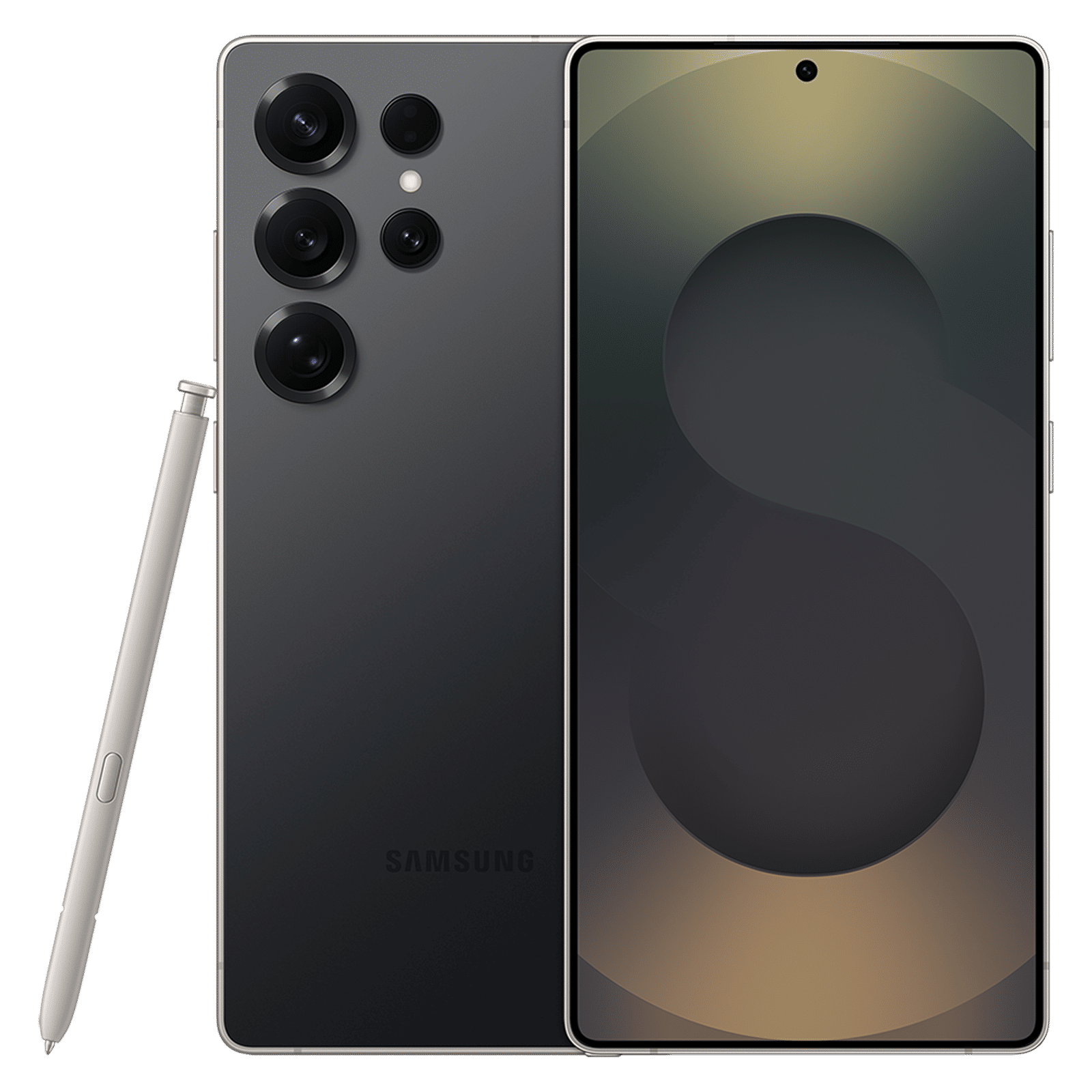
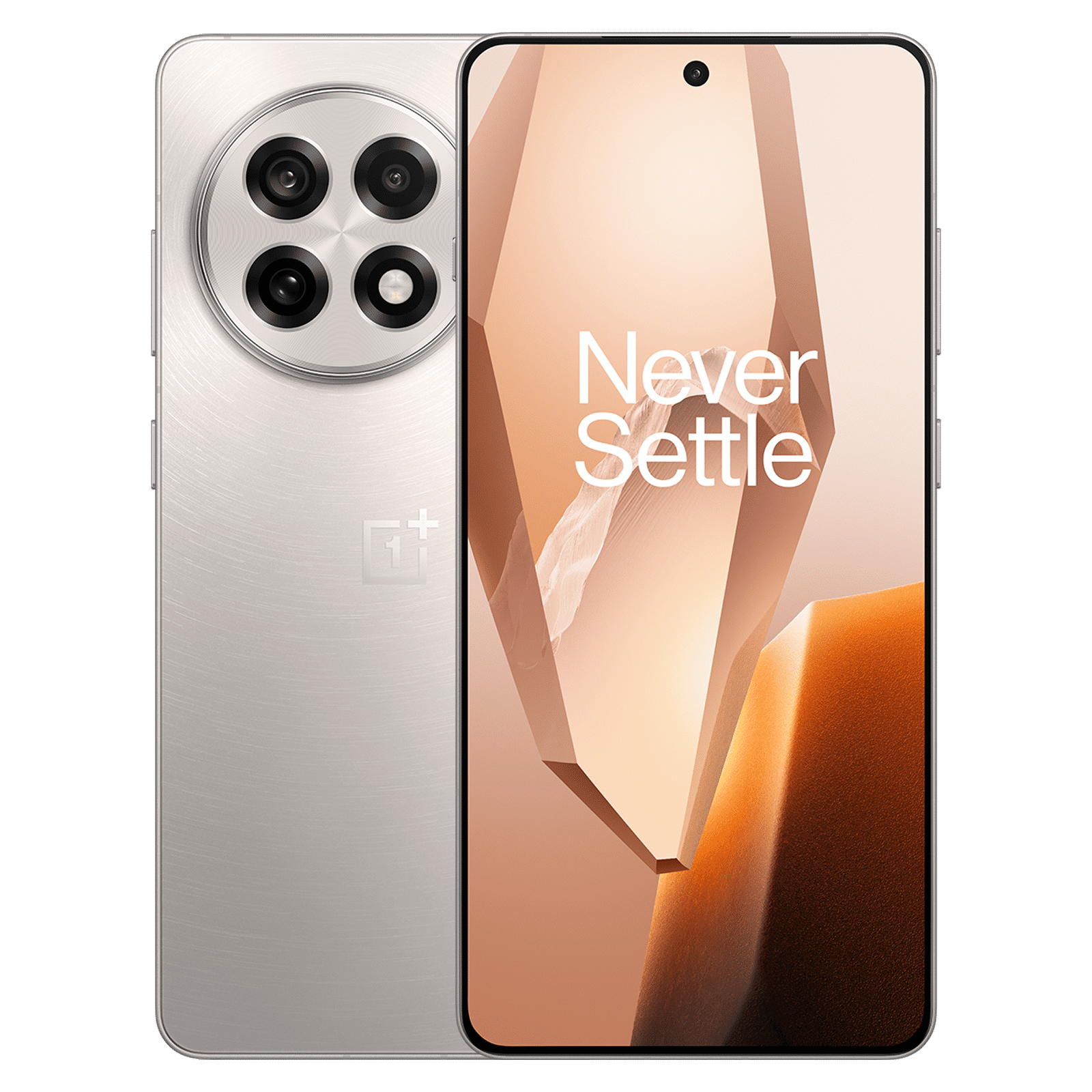
Buy a flagship phone if:
- You’re a power user, mobile gamer, content creator, or want the latest tech.
- You plan to use your phone for more than 4 or 5 years.
- Budget is not a constraint.
Get a mid-range phone if:
- You’re a budget-conscious user, casual gamer, and just want a reliable device.
- You prefer upgrading your phone every 2-3 years.
- You don’t care about cutting-edge features.
Understanding the aforementioned differences will help you in making the right buying choice.

Unleash your inner geek with Croma Unboxed
Subscribe now to stay ahead with the latest articles and updates
You are almost there
Enter your details to subscribe

Happiness unboxed!
Thank you for subscribing to our blog.
Disclaimer: This post as well as the layout and design on this website are protected under Indian intellectual property laws, including the Copyright Act, 1957 and the Trade Marks Act, 1999 and is the property of Infiniti Retail Limited (Croma). Using, copying (in full or in part), adapting or altering this post or any other material from Croma’s website is expressly prohibited without prior written permission from Croma. For permission to use the content on the Croma’s website, please connect on contactunboxed@croma.com
- Related articles
- Popular articles
Viraj Gawde
Comments