







If you’re tired of constantly refilling water bottles or waiting for water to cool or heat, a good water dispenser can make your life a lot easier. Many of the models come with both hot and cold functions, and some even add useful features like built-in filtration or removable drip trays for easier cleaning.
In long-term use, water dispensers with separate push-button controls tend to be more convenient, especially when switching between water temperatures. If you’re in the market for a water dispenser, here are the essential features to consider based on your water needs and available space.
How to choose the best water dispenser
Choosing the right water dispenser boils down to two main factors: how much water you use daily and how much space you have available.
ALSO READ: Do water purifiers waste water?
The ideal model can vary significantly based on your specific needs, whether you need it for a small household, a large family, or a busy office. So, here’s what to keep in mind when making your decision:
1. Know your water needs
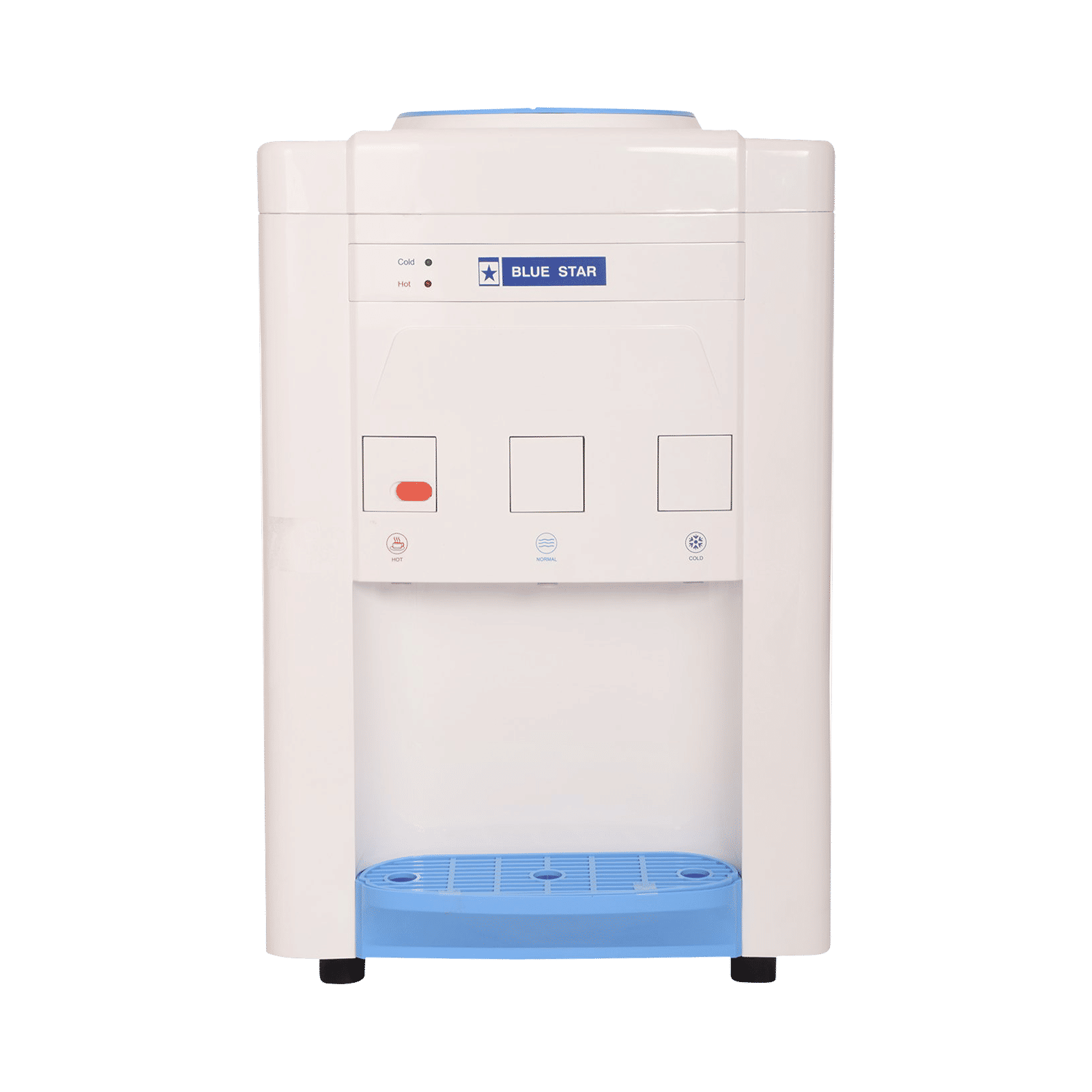
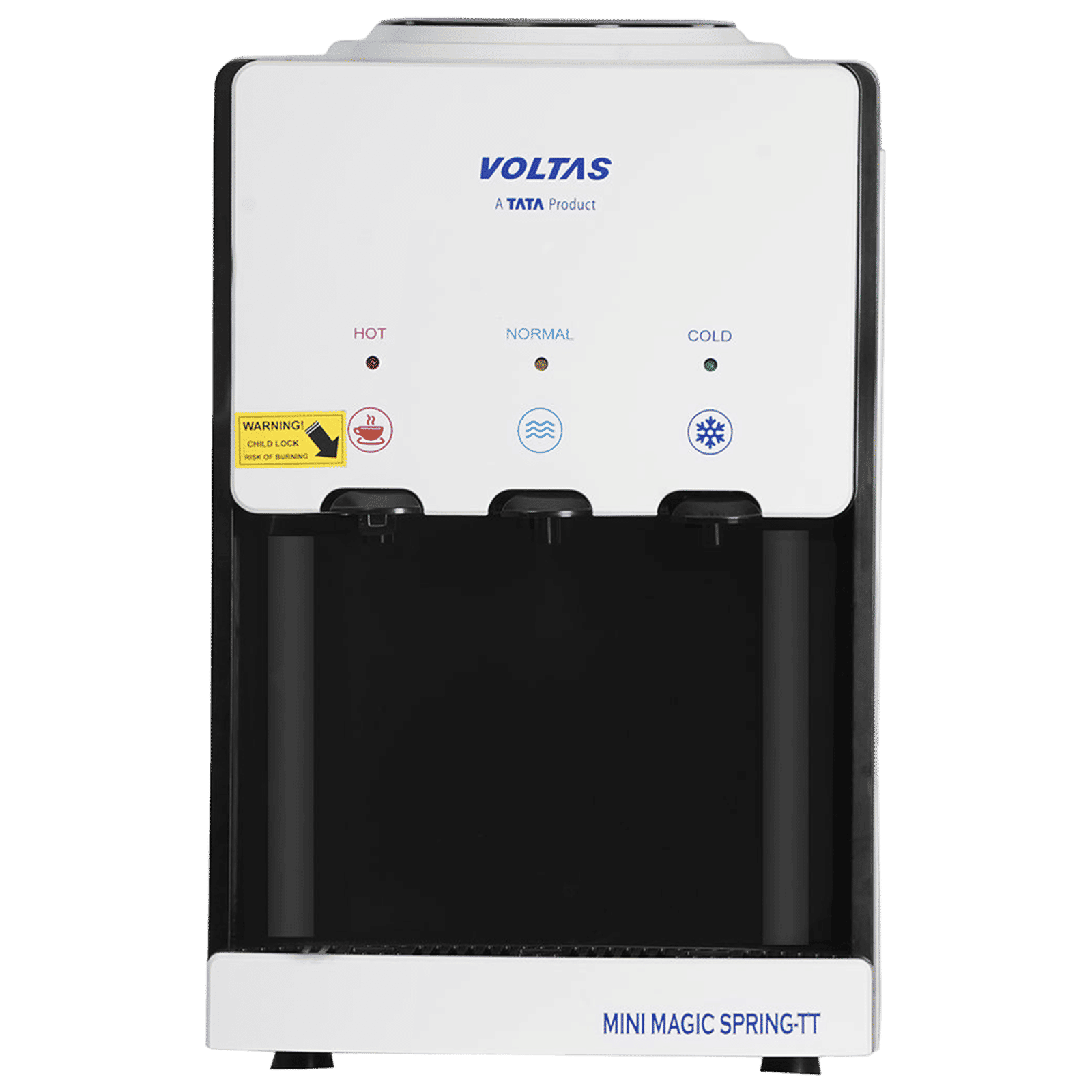
Start by figuring out how much water you go through daily. For smaller households or just one person, a countertop dispenser with a 1–2 gallon capacity should be plenty. These don’t take up much room and keep your water at the right temperature.
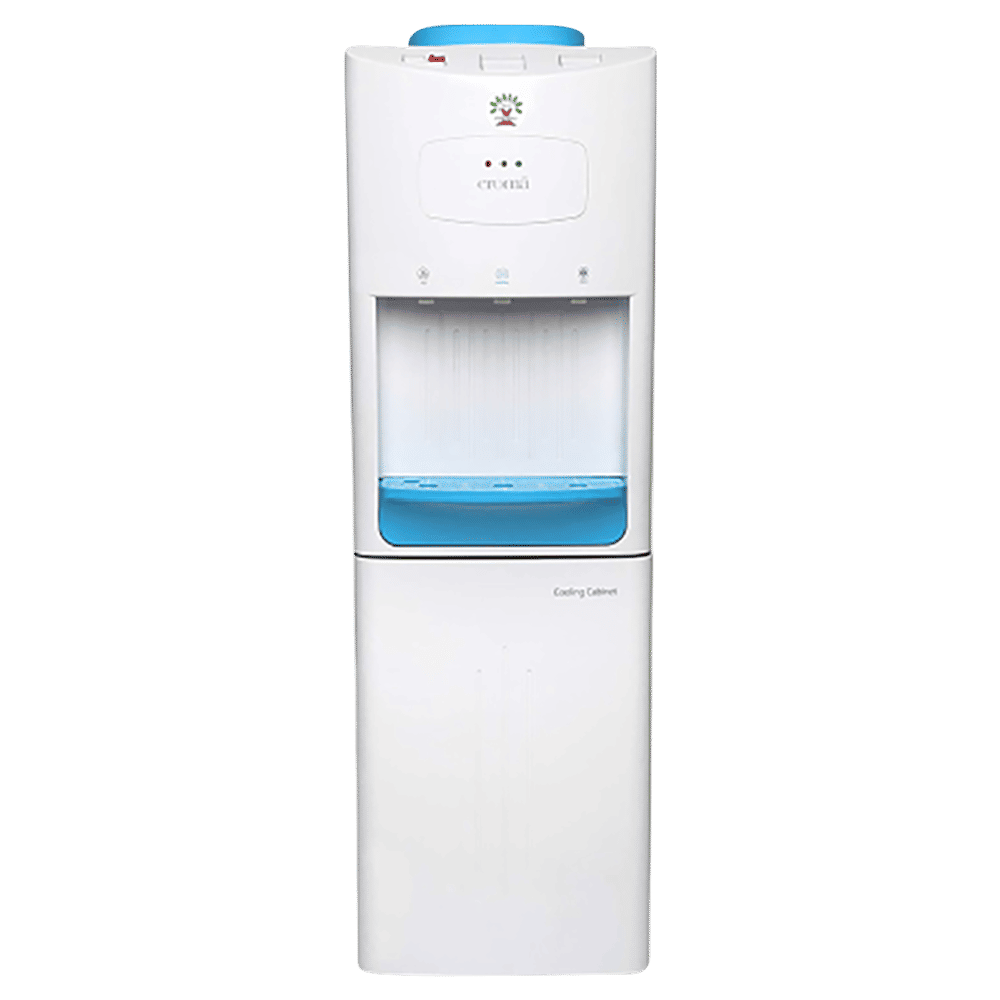
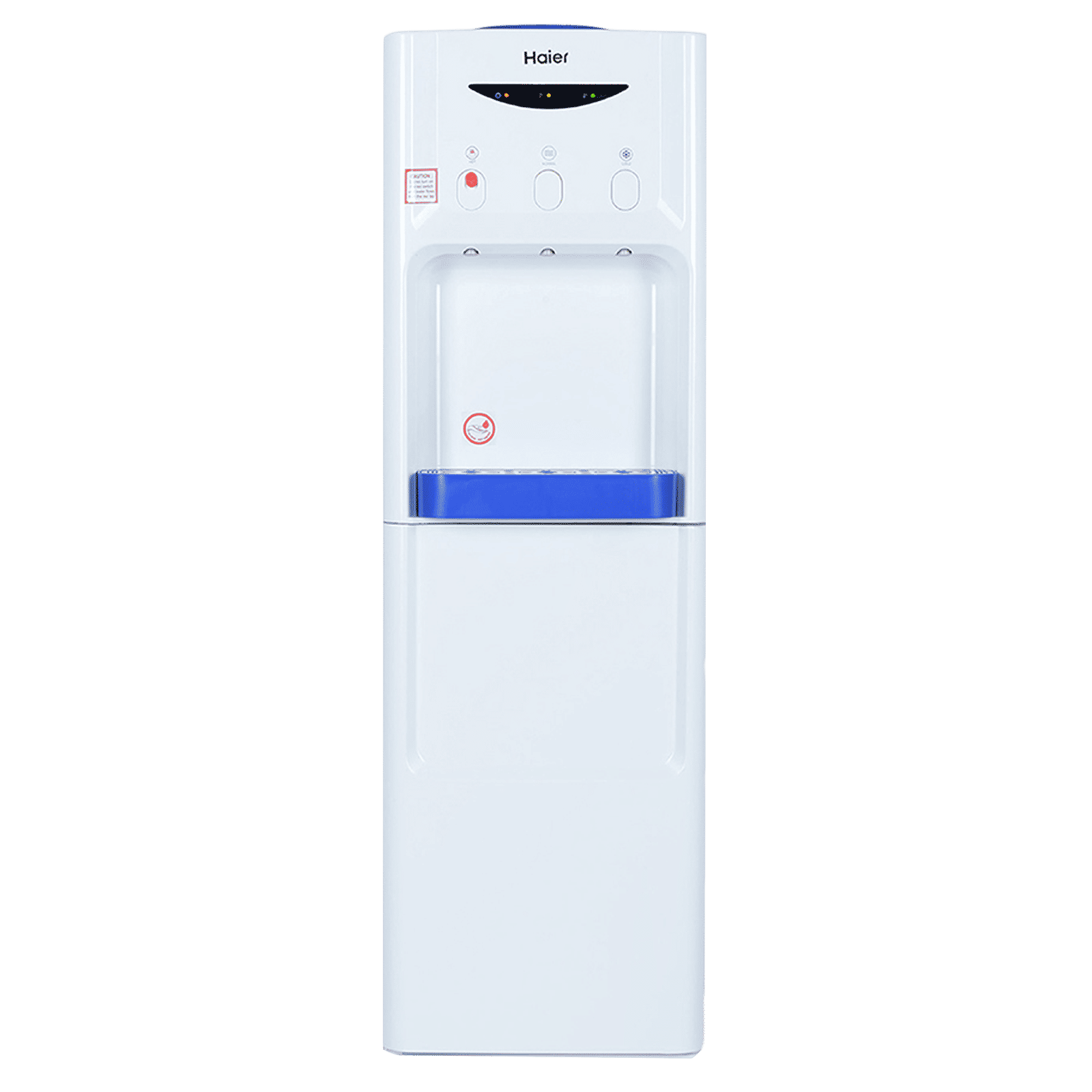
But if you have a larger family or a busy office, you’ll want something with a bigger capacity, like a freestanding unit that holds a 3–5 gallon bottle. These can handle higher traffic, so you don’t have to worry about changing bottles too often. Some models even hook directly to your water line, which is perfect for places where water is in constant demand.
2. Bottled vs bottleless
Now that you know how much water you’ll need, think about the type of dispenser that suits you. Bottled dispensers are super convenient because they use replaceable water jugs and can be set up just about anywhere with an outlet.
ALSO READ: How long does it take for water to be purified?
They’re a great choice if you don’t want to deal with the plumbing. On the other hand, bottleless dispensers hook directly into your water supply, often with built-in filtration. These are a more cost-effective option long-term, especially for high-traffic areas, but they do require a bit more setup.
3. Hot and cold water functions
Most dispensers offer both hot and cold water, but the speed and power of heating or cooling can vary. If you’re in a busy kitchen or office, look for a model with adjustable temperature settings or a larger cooling tank.
This will help keep the water at your desired temperature, even if the dispenser gets used frequently. Some models also allow you to customise the temperature for specific needs, like making coffee or tea, which can be really convenient.
4. Check your space
When it comes to space, it’s important to consider where you’ll place your dispenser. Countertop models are perfect for small kitchens since they typically take up just one square foot of space. But if you have more room to work with, or if you need a higher-capacity dispenser, a freestanding model might be a better fit.
ALSO READ: What is TDS in water?
These can range from compact, slim units (about 12–14 inches wide) to larger, full-size designs. Just remember to check the height, especially for top-loading models, which require extra clearance to lift and replace the water bottle.
5. Ease of use and maintenance
Choose a water dispenser that’s easy to use and maintain. Models with removable drip trays are easy to clean, and self-cleaning features can save you time. If heavy lifting is a concern, consider a bottom-loading model, so you don’t have to lift the water bottles over your head. And if you don’t want to deal with frequent maintenance, bottleless dispensers with automatic filtration and cleaning cycles are a great option to keep things running smoothly with little effort.
6. Filtration options
Finally, if the quality of your tap water isn’t great, a dispenser with built-in filtration is a must. Many bottleless dispensers come with multi-stage filters that remove impurities like sediment and chlorine, improving both taste and water quality.
For bottled dispensers, make sure the water you’re buying already meets your standards for taste and quality, so you don’t have to worry about filtration.

Unleash your inner geek with Croma Unboxed
Subscribe now to stay ahead with the latest articles and updates
You are almost there
Enter your details to subscribe

Happiness unboxed!
Thank you for subscribing to our blog.
Disclaimer: This post as well as the layout and design on this website are protected under Indian intellectual property laws, including the Copyright Act, 1957 and the Trade Marks Act, 1999 and is the property of Infiniti Retail Limited (Croma). Using, copying (in full or in part), adapting or altering this post or any other material from Croma’s website is expressly prohibited without prior written permission from Croma. For permission to use the content on the Croma’s website, please connect on contactunboxed@croma.com
- Related articles
- Popular articles
Shubhendu Vatsa
Comments