







Television terminology can be quite confusing, especially with different technologies related to the display and resolution gain prominence. While most buyers tend to pick primarily on the basis of screen size, there’s a lot more to consider when buying a TV, to ensure that you’re getting the best television that suits your viewing and usage preferences and factors. Additionally, different brands have their own terminology and sub-branding, so it’s important to know what the different terms mean, as well as what might just be branding terminology that differs between brands.
Before we get to key differences, it’s important to explain major factors that go into a modern television set. Read on to find out what many of these terms mean, including key differences between QLED and UHD, as well as other important aspects of your TV. When buying a new TV, you’re likely to first choose the size you want, but what else should you be looking into?
TV display
Once you’ve picked the screen size, the next key point to look into is the TV display type. There are a fair amount of options among modern flat-screen televisions today, and different technologies have their specific pros, cons, and budget factors.
The most common display technologies for TVs in 2025 are LED, quantum-dot LED (QLED), and OLED. However, newer tech such as mini-LED and micro-LED are also growing in popularity, while older tech such as CRT, LCD, and plasma aren’t commonly seen on modern TVs anymore. While LED and QLED can be found at affordable price points, technologies such as OLED, mini-LED, and micro-LED are typically premium offerings.
Some terms such as QLED are branded trademarks; QLED refers to Samsung’s quantum-dot LED displays, which can be found on not only Samsung TVs but also from manufacturers who license the technology from Samsung, such as Xiaomi, TCL, and Hisense, among others. Other manufacturers such as Sony and LG also make their own quantum-dot LED displays, with branding such as Triluminos and QNED.
TV resolution
After you’ve picked the type of TV display technology based on your budget and viewing preferences, the next thing to check into is the TV resolution. Televisions today are available in vast range of resolutions, starting from the fairly basic HD and going all the way up to 8K. Naturally, the higher the resolution, the better the picture quality; higher resolution means more pixels in the display, so you’ll see sharper picture and more detail.
ALSO READ: LED vs OLED TVs: Which type of television should you get?
Among the more popular resolutions right now, depending on screen sizes, are Full-HD (FHD) and Ultra-HD (UHD). Full-HD refers to 1920×1080 pixels, while Ultra-HD (also sometimes referred to as 4K) means 3840×2160 pixels. Smaller screen sizes tend to come with FHD panels, while larger TVs – usually 50 inches and above – tend to have Ultra-HD displays.
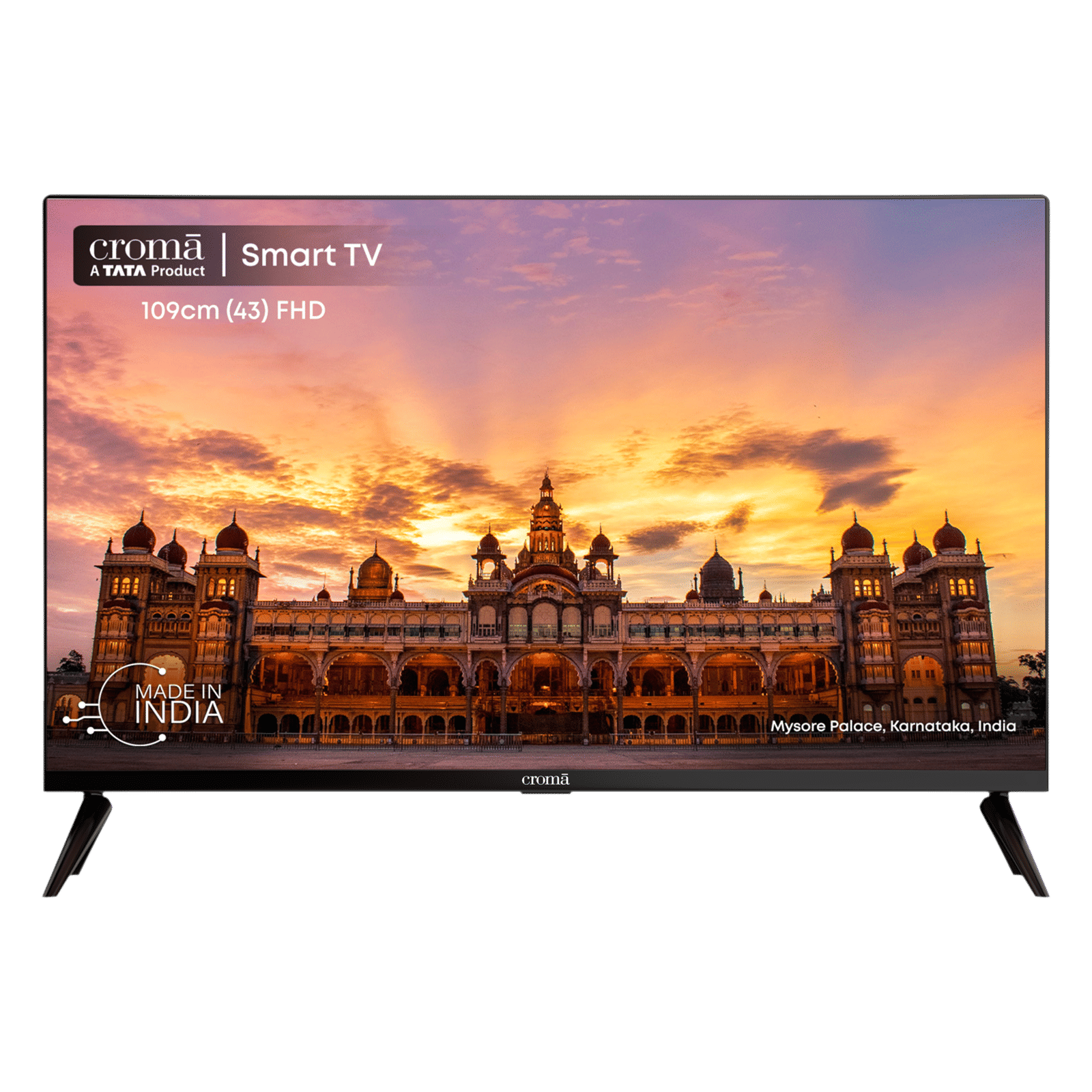
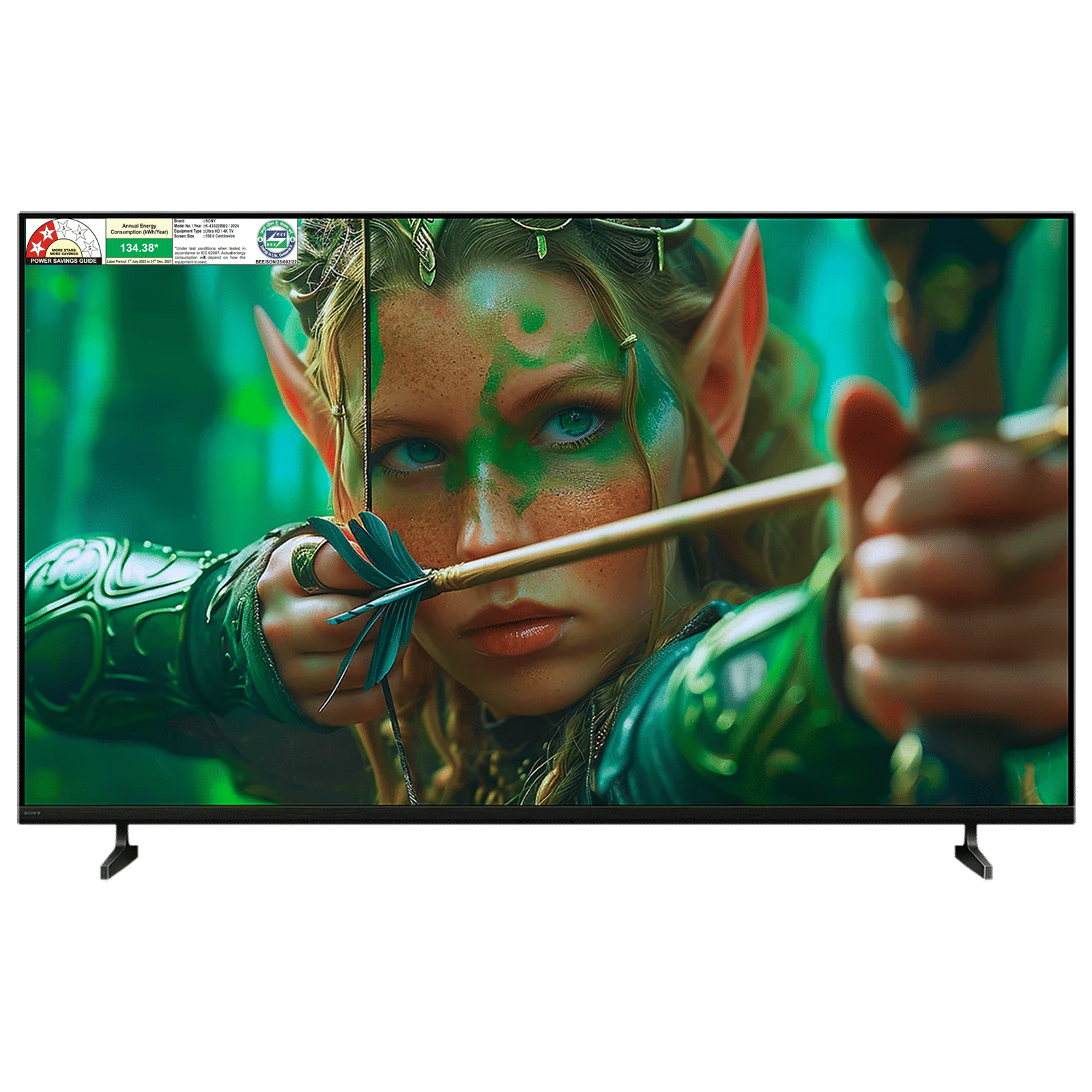
QLED vs UHD
As explained above, QLED and UHD refer to different aspects of the television set. Quantum-dot LED or QLED is a display technology, which utilises a quantum-dot layer along with a typical LED-LCD panel to enhance the brightness and colour range of the TV. On the other hand, ultra-HD or UHD refers to the resolution of the TV, or how many pixels are in the display – UHD TVs have 3840×2160 (over eight million) pixels.
Notably, QLED TVs are usually UHD TVs, since QLED is seen on larger screen sizes – usually 55 inches and higher. There are also some 8K QLED TVs, but these are still priced at a considerable premium over even UHD TVs.
However, not all UHD TVs are QLED TVs, since UHD refers to a common resolution that can be present on big-screen TVs of different types. As such, there are many UHD TVs with LED, OLED, mini-LED, and micro-LED displays as well. You can therefore have a TV which classifies both as QLED and UHD, or one that ticks either of the boxes.

Unleash your inner geek with Croma Unboxed
Subscribe now to stay ahead with the latest articles and updates
You are almost there
Enter your details to subscribe

Happiness unboxed!
Thank you for subscribing to our blog.
Disclaimer: This post as well as the layout and design on this website are protected under Indian intellectual property laws, including the Copyright Act, 1957 and the Trade Marks Act, 1999 and is the property of Infiniti Retail Limited (Croma). Using, copying (in full or in part), adapting or altering this post or any other material from Croma’s website is expressly prohibited without prior written permission from Croma. For permission to use the content on the Croma’s website, please connect on contactunboxed@croma.com
- Related articles
- Popular articles
Ali Pardiwala
Comments