







Smartphones have become a necessity in today’s times. They are ideal for communication, web surfing, and entertainment on the go. Moreover, smartphones come in varied sizes, offering a one-handed compact as well as a tablet-like experience. On the other hand, tablets have gained consumer demand in the last few years. There are many options in the market today compared to the pre-pandemic period. They excel in media consumption, digital learning, and productivity tasks due to their large screens.
While smartphones are required for everyday usage like calls and messaging, tablets are ideal for students, professionals, and creatives. Both often come with overlapping features and specifications. Hence, the line between the two is now blurred. Choosing a smartphone or a tablet depends more on personal needs and usage scenarios.
ALSO READ: 5 ways a tablet can boost your productivity
In this post, we list down the major differences between a smartphone and a tablet across various aspects to help you make a proper purchase decision.
1. Screen size
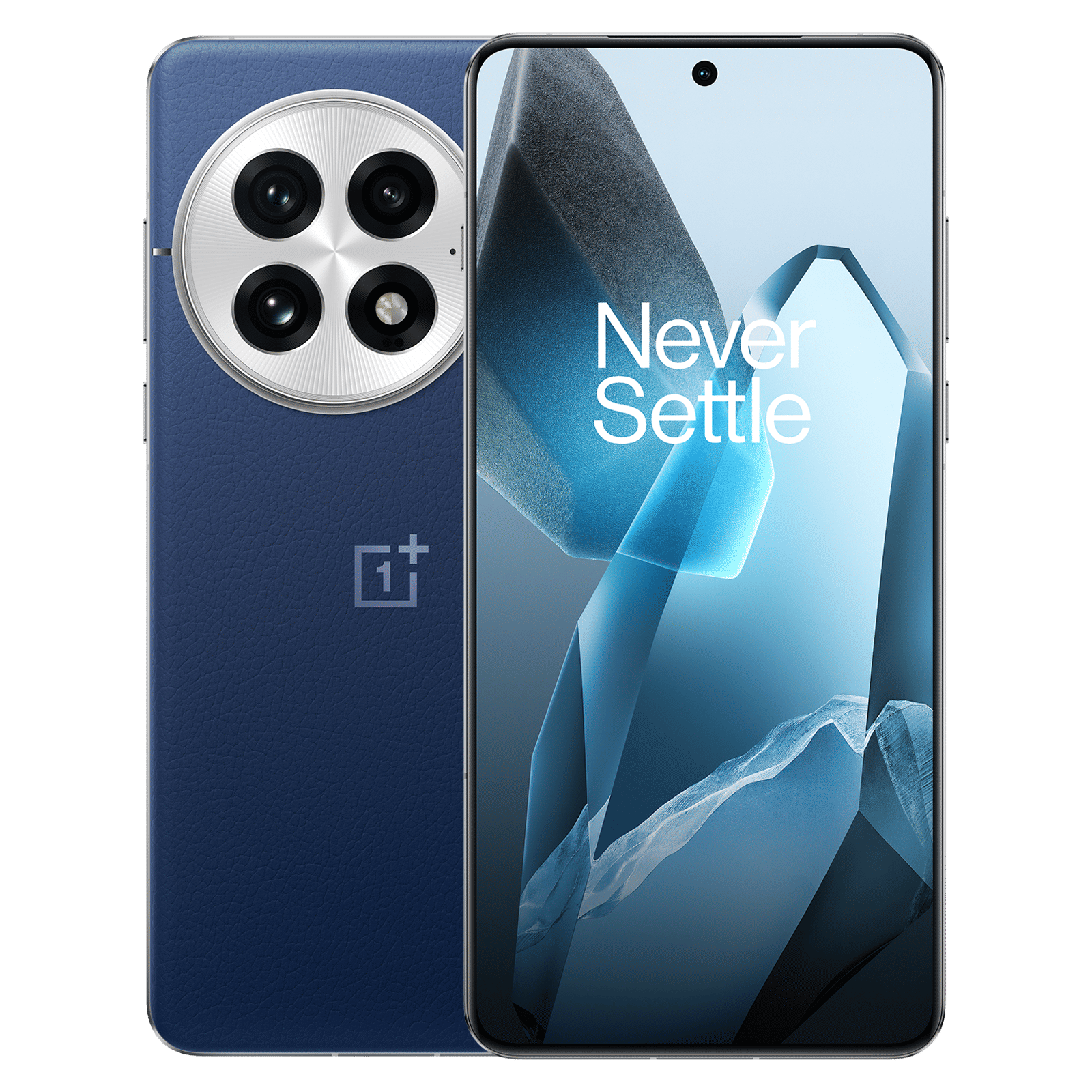
This is the most obvious difference between a smartphone and a tablet. Phones usually have screen sizes ranging from 6 to 7 inches. Lately, many brands are focusing on making phones compact that can be used with one hand. This makes them pocket-friendly and easy to carry everywhere.
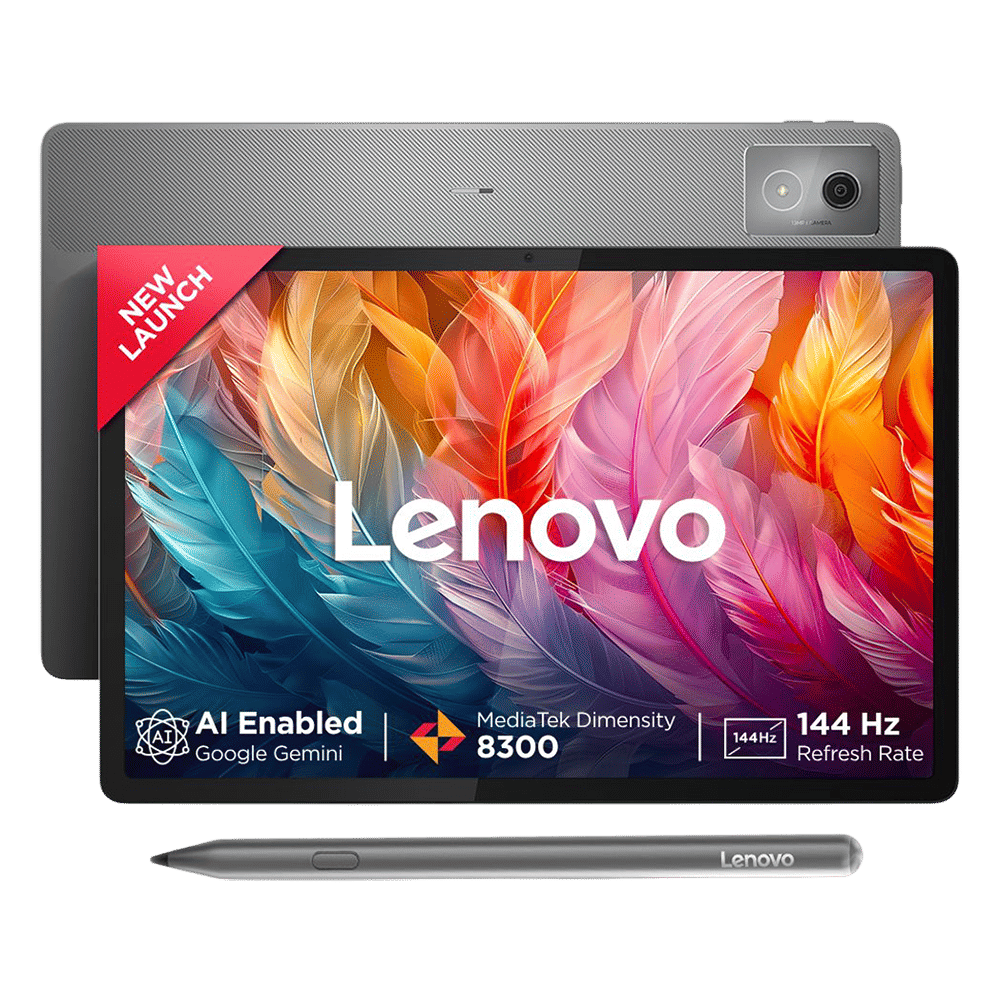
Tablets, on the other hand, feature a display size that hovers between 8 to 13-inches. This makes them the most recommended option for entertainment, gaming, reading, note-taking, and more. Tablets easily outshine smartphones if you have these usage requirements.
2. Portability
The smaller screen size of smartphones makes them quite portable. They can easily slip into your pocket or purses. Phones are also comfortable to use for tasks like calling and messaging in situations where you’re commuting or out for a night.
The larger display of the tablet comes at the cost of portability. They require a dedicated sleeve or a backpack, thus making them less ideal for on-the-go usage.
3. Performance and productivity
Smartphones and tablets are often equipped with the same hardware across price segments, most of the time. Phones are suitable for short bursts of activity and time-sensitive tasks like checking emails, social media, etc that can be performed on a smaller screen.
Tablets cater to a variety of usage needs. Their compatibility with a stylus pen and a keyboard allows you to take notes, edit documents, draw or design visuals, etc. They can function as a lightweight laptop alternative. Tablets also offer smoother multitasking and support for split-screen apps.
4. Battery and connectivity
Due to the size differences, tablets obviously come with a huge battery capacity, offering longer hours of usage. Smartphones are also catching up in this aspect as OEMs are adopting large battery cells beyond 6,000mAh in their devices. Additionally, they can also be refuelled quickly with support for faster charging speeds.
Smartphones beat tablets hands down in terms of connectivity. They are designed to be communication devices. Tablets also come with cellular networks, however, there are few of those, and they cost a premium. It’s not ideal to use them for calling and messaging. A smartphone is the practical option for staying connected all the time.
5. Price and conclusion
Both phones and tablets are available across various price segments. However, tablets are considered more of a secondary device for use cases that a smartphone cannot fulfil. A smartphone offers more versatility in daily life.
ALSO READ: Best tablets for watching movies and TV shows in India
The answer to choosing a tablet or a smartphone lies in your primary usage. A smartphone is a clear choice for communication, quick access, and daily multitasking needs. A tablet makes more sense if you aim to boost productivity, enhance media consumption, and use it as a laptop alternative.

Unleash your inner geek with Croma Unboxed
Subscribe now to stay ahead with the latest articles and updates
You are almost there
Enter your details to subscribe

Happiness unboxed!
Thank you for subscribing to our blog.
Disclaimer: This post as well as the layout and design on this website are protected under Indian intellectual property laws, including the Copyright Act, 1957 and the Trade Marks Act, 1999 and is the property of Infiniti Retail Limited (Croma). Using, copying (in full or in part), adapting or altering this post or any other material from Croma’s website is expressly prohibited without prior written permission from Croma. For permission to use the content on the Croma’s website, please connect on contactunboxed@croma.com
- Related articles
- Popular articles
Viraj Gawde
Comments