







A water heater or geyser is one of the most essential appliances in a home. While it is mostly used during winters, it is important to do some routine inspections to ensure your supply of hot water doesn’t run out at a crucial moment. A regular check-up of a geyser also helps extend the lifespan of your appliance, prevents energy wastage, and sudden breakdowns.
So, whether you are preparing for winter or inspecting your home appliance after it, here is a list of things you need to include in your water heater inspection checklist.
Water heater inspection: Key things to check
When it comes to inspection of a water heater or any other appliance, you should always start with a visual inspection. This is where you check your water heater for any leaks, rust or corrosion, or discolouration. If you see any sign of pooling water under the geyser, it could mean the water heater has internal damage. Rust or corrosion indicates internal deterioration, while brown water indicates the appliance is malfunctioning.
You should also check whether your water heater is securely mounted. Once you are done with the visual check, here are other key things to follow during the water heater inspection:
Check the thermostat
The most critical component inside a water heater is the thermostat, and if it is faulty, it could lead to water that’s too hot or too cold. You can check the thermostat by running hot water, and if it’s lukewarm, it means the thermostat needs adjustment or replacement. If your geyser came with a connected app, then you can use the app to recalibrate or check for any issues.
ALSO READ: Geyser not working: Common electric water heater problems and their solutions
Scale build-up
Scale build-up is a common issue faced by water heater users, and it is particularly common in areas with hard water. Scale or sediments impact heating efficiency and damage internal components. The easiest way to confirm if there is scale build-up is by listening for popping or hissing sounds. You can try to flush the tank of a storage water heater every six to twelve months or install a water softener to solve this problem and extend your geyser’s life.
Geyser working: Electrical and safety checks
It is important to remember that a geyser is just another electrical appliance, and you need to consider electrical safety before everything else. Here is a checklist of things to inspect:
ALSO READ: Best 3-litre geyser brands in India
- Power cord: You should start by ensuring there are no frays, burns in the power cord and also ensure there is no loose connection.
- MCB: For safety, your geyser must be connected to a working circuit breaker.
- Auto cut-off: Your geyser’s auto cut-off feature should be working to ensure the water heater shuts off automatically when the desired temperature is reached. This prevents overheating and energy waste.
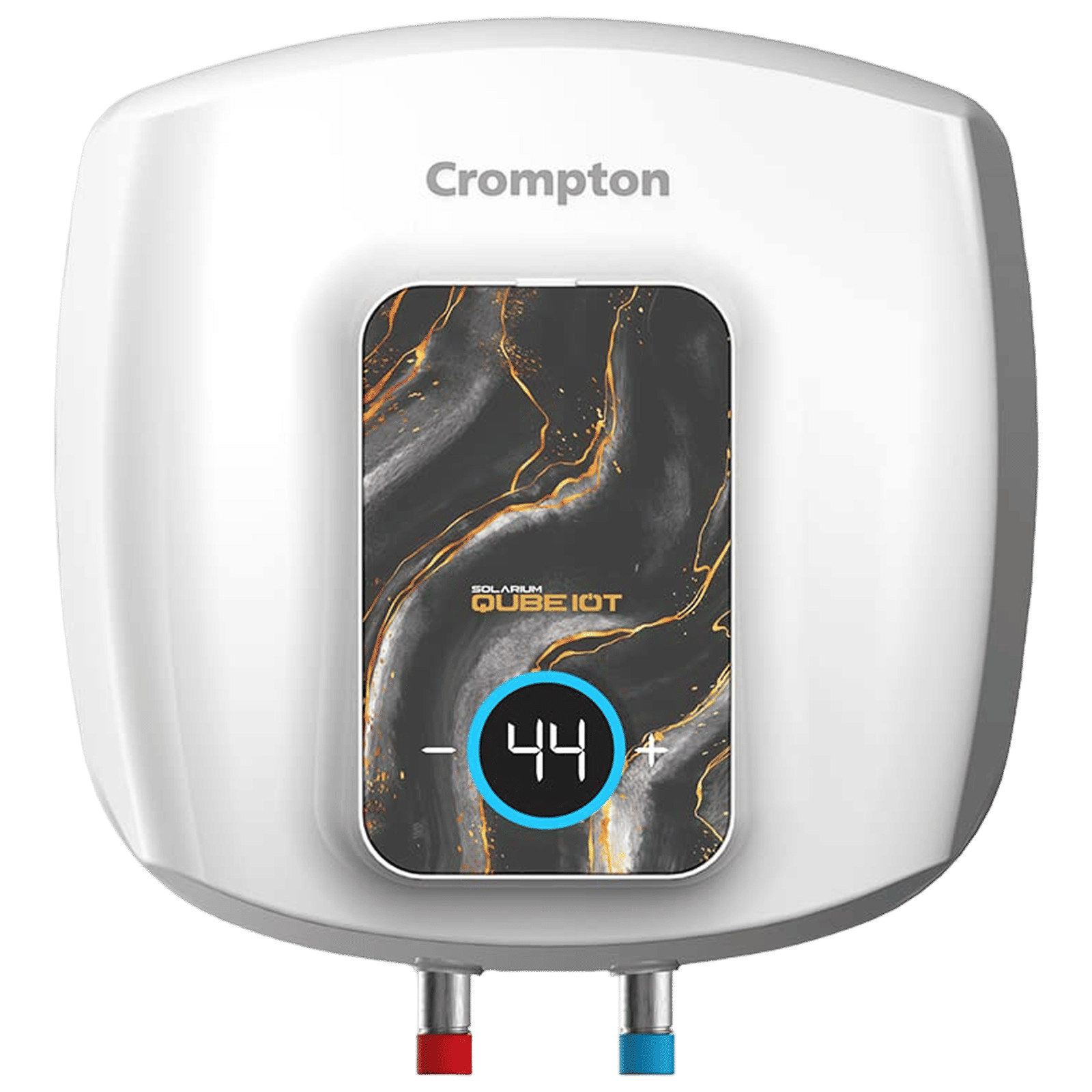
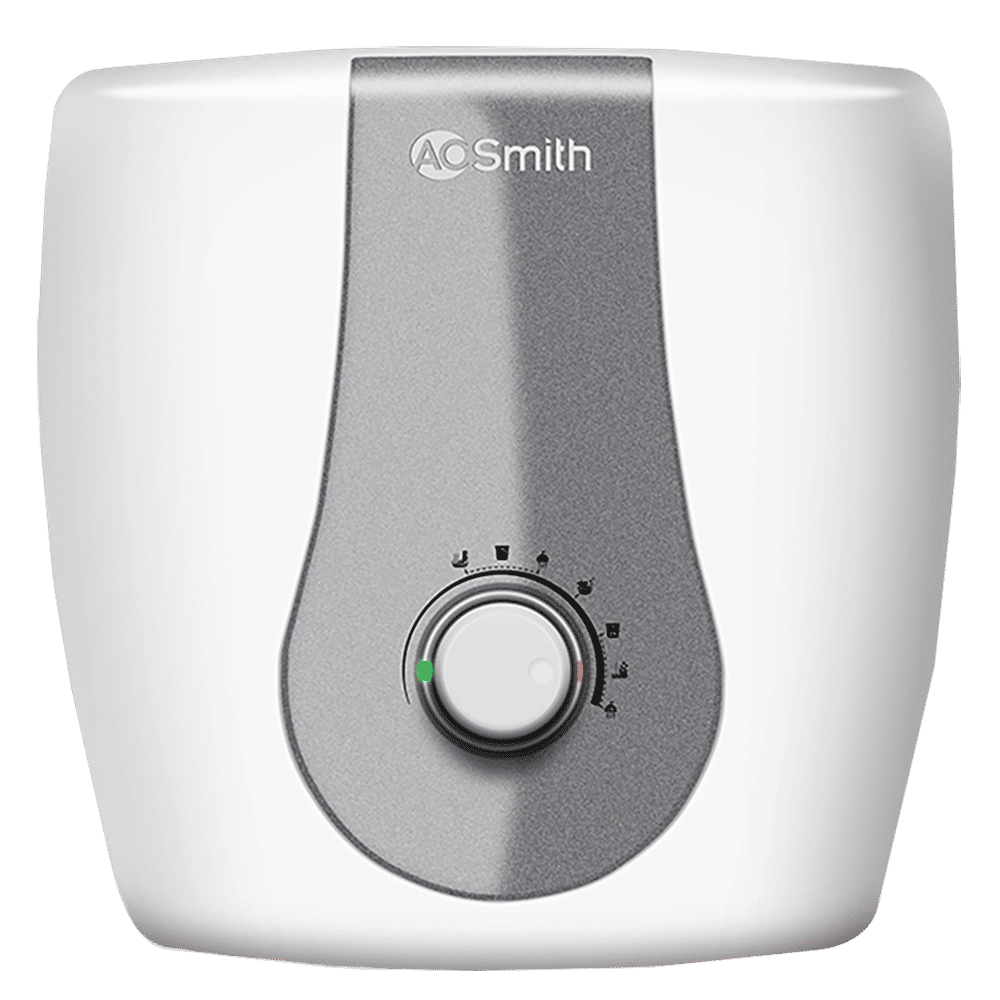
In addition to the above checks, you can also choose professional servicing to ensure that your geyser looks good inside and out. A properly tested and functional water heater is safe and efficient and will not give you any shock with water or a utility bill. By following this inspection checklist, you can ensure your geyser is working well and pushing hot water all year round.

Unleash your inner geek with Croma Unboxed
Subscribe now to stay ahead with the latest articles and updates
You are almost there
Enter your details to subscribe

Happiness unboxed!
Thank you for subscribing to our blog.
Disclaimer: This post as well as the layout and design on this website are protected under Indian intellectual property laws, including the Copyright Act, 1957 and the Trade Marks Act, 1999 and is the property of Infiniti Retail Limited (Croma). Using, copying (in full or in part), adapting or altering this post or any other material from Croma’s website is expressly prohibited without prior written permission from Croma. For permission to use the content on the Croma’s website, please connect on contactunboxed@croma.com
- Related articles
- Popular articles
Karthekayan Iyer
Comments