







Micro RGB TVs were introduced a year ago; however, they are only becoming the talk of the town now. At CES 2026, we saw more OEMs showcase their Micro RGB TVs, and some of them are now commercially available in stores.
But what exactly are Micro RGB TVs, and how are they different from OLED, Mini LED, and Micro LED TVs? Stick around till the end to know all about Micro RGB TVs and why they could be the next big thing.
What is Micro RGB?
Micro RGB TVs rethink how backlighting works. Instead of using a white light source like traditional LED TVs, they use tiny red, green, and blue LEDs to generate colour directly.
In a typical LED and Mini LED TV, a white or blue backlight shines through colour filters to create the image you see. While it works well, it is still not fully efficient. Some of that light is lost in the process, which affects both brightness and colour accuracy.
Micro RGB removes that inefficiency. Each LED already emits the exact colour needed, which means less light is wasted and the output is more precise. The result is a display that feels more vibrant, especially when you are watching HDR content or scenes with complex lighting.
Micro RGB TVs vs Mini LED TVs vs Micro LED TVs
LED and Mini LED TVs rely on a backlight and use local dimming zones to control brightness. The latter improves this with more zones and better control, but it still uses white light and colour filters.
Micro LED takes a completely different route. Instead of relying on a backlight, it uses self-emissive microscopic LEDs where each pixel produces its own light. This means perfect blacks, extremely high brightness, and excellent contrast. However, the technology is still very expensive and difficult to scale, which is why it remains out of reach for most consumers. Period.
Micro RGB builds on the familiar backlight approach but replaces the white light source with dedicated RGB light sources. That alone improves colour performance without needing a complete overhaul of the system. That said, it doesn’t offer perfect blacks like Micro LEDs and OLEDs.
Micro RGB TVs vs OLED TVs
OLED TVs are known for perfect blacks because each pixel can turn off completely. This gives them unmatched contrast. Micro RGB does not reach that level of pixel-level control yet because it still relies on grouped lighting zones. However, it makes up with higher brightness and stronger colour volume.
Why it matters?
The biggest reason Micro RGB matters is that it improves multiple aspects of picture quality at once. This includes better colour accuracy, higher brightness, and improved contrast and efficiency.
Since colours are generated directly from RGB light, they appear more natural and precise.
Without filters blocking light, Micro RGB TVs can push higher brightness levels. This makes them ideal for bright rooms and gives HDR content more impact. Additionally, the improved dimming precision helps reduce blooming and halo effects, resulting in cleaner visuals.
Why is Micro RGB suddenly the talk of the town?
OLED continues to dominate the TV space, but it comes with its own limitations, especially when it comes to peak brightness. MicroLED, on the other hand, fixed all the limitations of OLED, but it’s still far too expensive for most consumers and has yet to consistently deliver perfectly accurate colours at scale.
Micro RGB sits right in the middle. It is expensive now, but far more practical in the long run. More importantly, it brings together what viewers actually want, i.e, more accurate colours, higher brightness, and improved contrast.
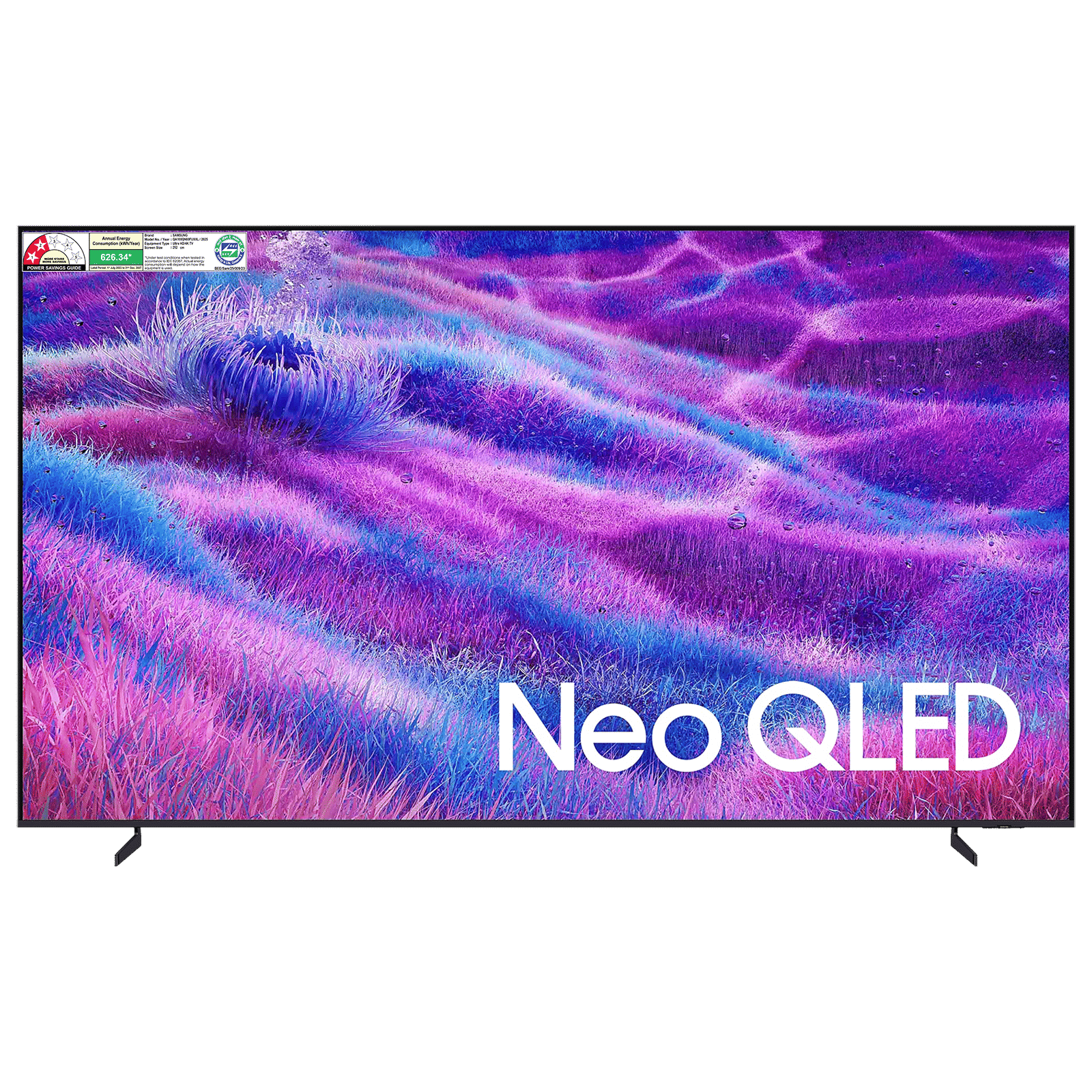
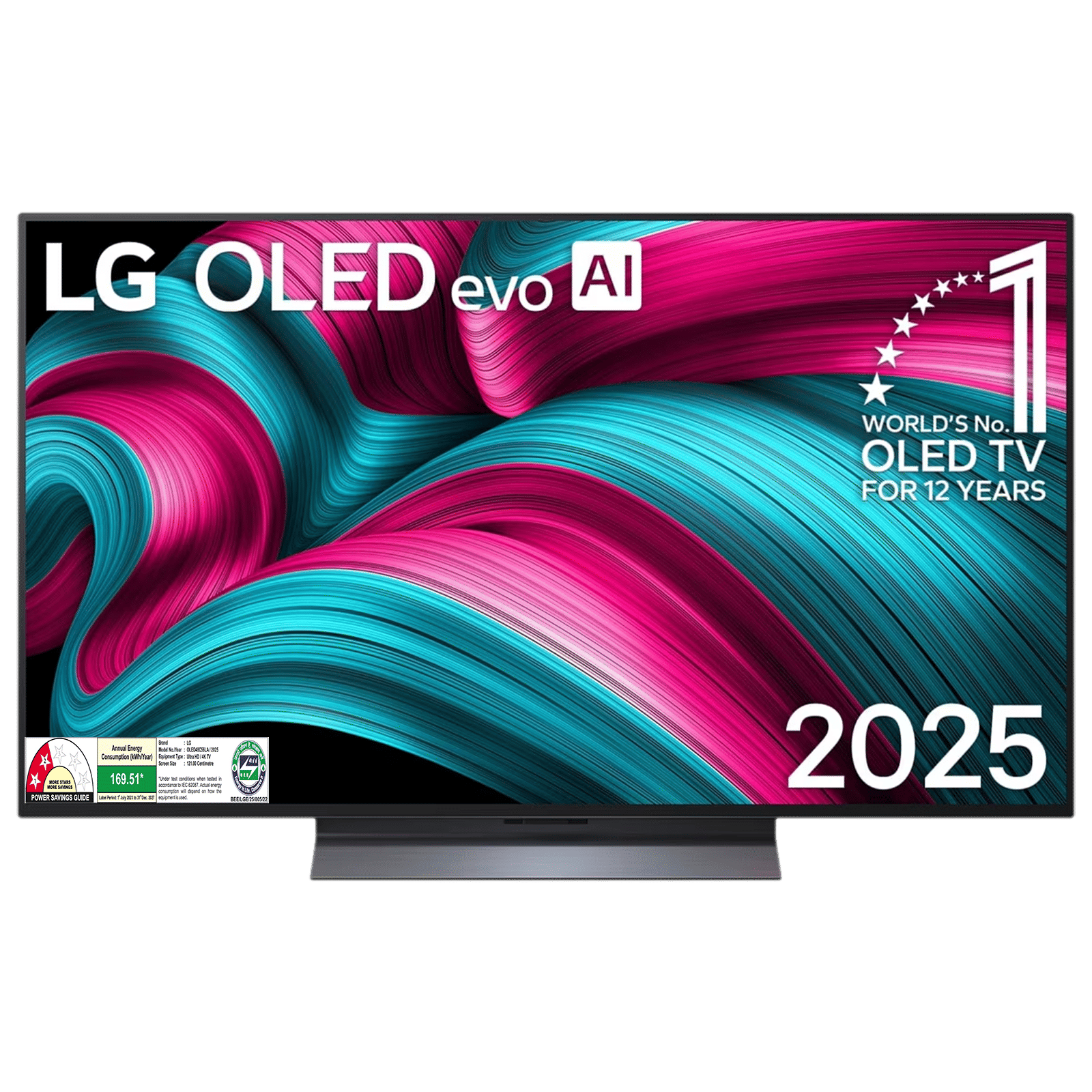
That said, it is still early days. Micro RGB TVs are relatively new, and only a handful of brands like Samsung and LG have begun launching their commercial models.
However, as mentioned above, Micro RGB TVs will be pricier initially. Samsung’s latest flagship Micro RGB TV, for instance, is priced at a staggering $29,999, which is roughly Rs 28.14 lakh. Still cheaper than Micro LED TVs that cost a crore, but far more expensive than OLEDs and Mini LEDs.
Micro RGB TVs are relatively new, but they are a clear step forward.
If they continue to mature the way current trends suggest, it could soon become the sweet spot in the TV market, sitting right in between OLED/ Mini LED TVs and Micro LED TVs.
ALSO READ: Hisense launches gargantuan 116-inch Mini-LED TVs in India
What do you think about Micro RGB TVs? Would you like brighter, accurate picture quality of the Micro RGB TVs or prefer the deep blacks of the OLEDs/Micro LEDs? Let us know in the comments below.

Unleash your inner geek with Croma Unboxed
Subscribe now to stay ahead with the latest articles and updates
You are almost there
Enter your details to subscribe

Happiness unboxed!
Thank you for subscribing to our blog.
Disclaimer: This post as well as the layout and design on this website are protected under Indian intellectual property laws, including the Copyright Act, 1957 and the Trade Marks Act, 1999 and is the property of Infiniti Retail Limited (Croma). Using, copying (in full or in part), adapting or altering this post or any other material from Croma’s website is expressly prohibited without prior written permission from Croma. For permission to use the content on the Croma’s website, please connect on contactunboxed@croma.com
- Related articles
- Popular articles
Pranav Sawant
Comments