







A processor functions by performing logical operations in time with an electric pulse or clock cycle, and the number of pulses per second is measured in Hertz much like a car engine’s speed is measured in RPM. Giga refers to one billion, so a gigahertz or GHz indicates an operating speed of one billion pulses or clock cycles per second. The higher this number, the faster the processor is operating.
What is GHz?
GHz is a measure of the speed at which a processor is operating, but it isn’t necessarily an indicator of its capabilities. Generally, a processor executes one instruction per clock cycle, so a faster processor executes more instructions than a slower one. An instruction could be as simple as addition and subtraction, and includes data transfer between memory types and more.
ALSO READ: What is a smartphone processor and what does it do?
However, the type of instructions determines the efficiency with which a program is executed. Since modern processors use more efficient instructions than say a CPU from 5 years ago, today’s CPUs are faster than 5-year old CPUs even if they operate at the same clock speed or GHz.
Two different brands or generations of processors can also not be compared in such a fashion. AMD and Intel’s designs are different, as are CPUs released in 2025 vs those released in 2023.
The importance of processor speed
Processors can increase or decrease their speed based on a number of factors such as workload, heat capacity, and power draw since the factors are directly related. To save power, a processor can work at a lower GHz. This is what happens when you enable low-battery mode on a laptop. The same applies when a CPU is too hot wherein the CPU slows down to prevent overheating. When performance is needed, the processor will operate at a higher frequency or GHz so it can complete the task faster.
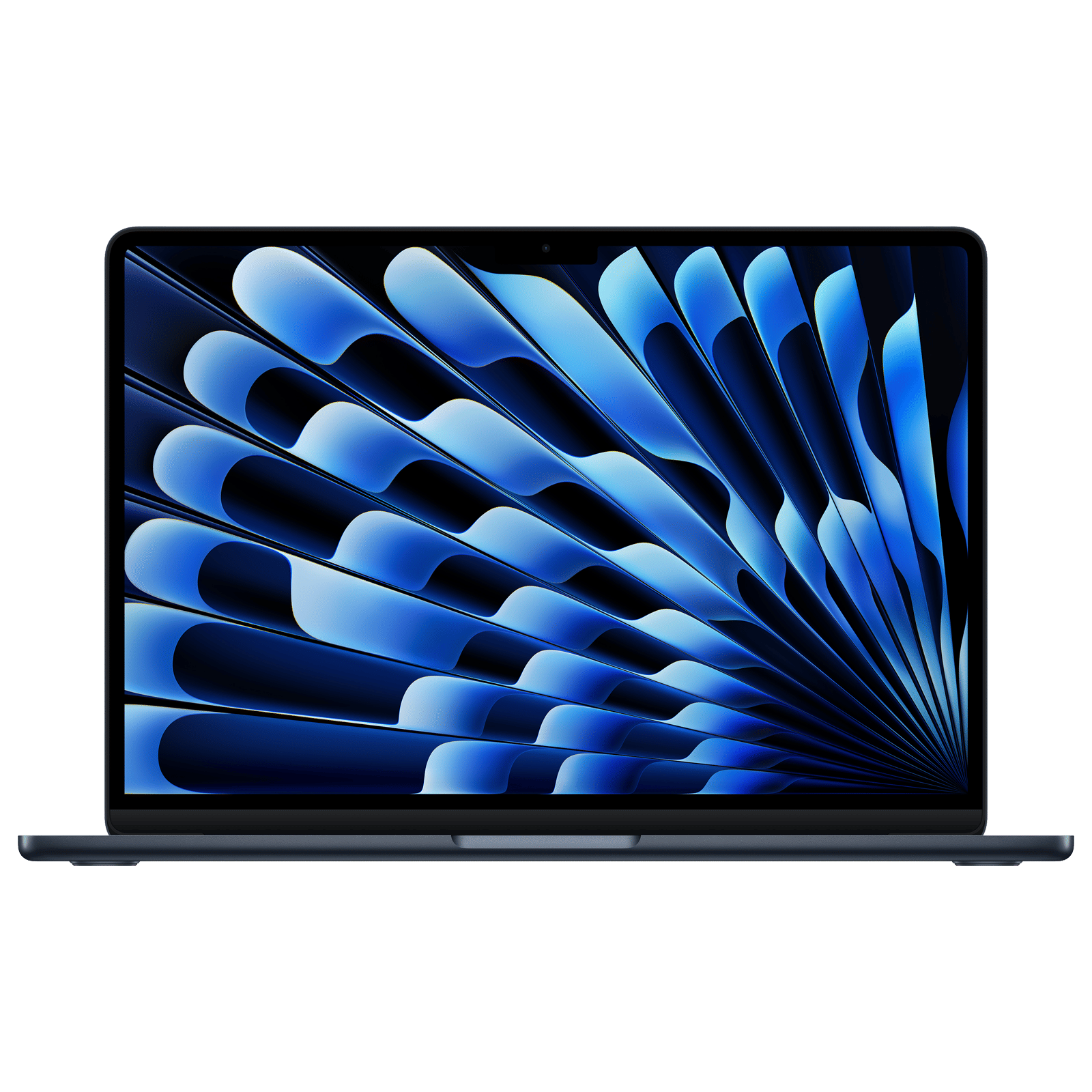
Some processors are made up of different types of cores, some that operate quickly but with a high power draw, and others that operate slowly but with a much lower power draw. This allows mobile devices to offer high-performance when needed, but to also run efficiently when doing light work.
Frequently Asked Questions
Q. What does GHz stand for?
A: GHz is a unit of frequency that represents one billion hertz or clock cycles per second.
Q. Does a high GHz rating mean that a CPU is faster than one with a lower number?
A: If both CPUs are based on the same technology, then yes. You can’t compare other types of CPUs based solely on GHz, however.
Conclusion
GHz in the context of a laptop processor is simply indicative of the number of instructions the CPU can process per second. The nature of the instructions and the design of the platform determine raw performance, so GHz by itself cannot be used as a metric for measuring the difference between different processors.

Unleash your inner geek with Croma Unboxed
Subscribe now to stay ahead with the latest articles and updates
You are almost there
Enter your details to subscribe

Happiness unboxed!
Thank you for subscribing to our blog.
Disclaimer: This post as well as the layout and design on this website are protected under Indian intellectual property laws, including the Copyright Act, 1957 and the Trade Marks Act, 1999 and is the property of Infiniti Retail Limited (Croma). Using, copying (in full or in part), adapting or altering this post or any other material from Croma’s website is expressly prohibited without prior written permission from Croma. For permission to use the content on the Croma’s website, please connect on contactunboxed@croma.com
- Related articles
- Popular articles
Anirudh Regidi
Comments