







As India braces for a hotter-than-normal summer, consumers face a tough decision: window air cooler vs desert air cooler. When the heat peaks, ceiling fans are at best ornamental, while AC remains aspirational for most households, making air coolers the sensible way to stay cool.
But here’s the real dilemma: window air cooler or desert air cooler? While both use evaporative cooling, they serve very different needs. Choosing the wrong one can leave you sweating through the season. Here’s a closer look at the window air cooler and the desert air cooler, and which one you should actually buy in 2026.
Window air cooler
When it comes to window air coolers and desert air coolers, the primary difference lies in how they are used. A window air cooler, as the name implies, is often a compact unit (or a personal cooler) that is designed to sit on a windowsill or a ledge.
They are akin to a window AC, and they work by drawing hot outside air, passing it through water-soaked cooling pads, and pushing cooler air into the room. Since it is positioned at the window, a window air cooler can also push warm, stale indoor air simultaneously.
They are most effective in areas with moderate dry heat, where the outside air is hot but not excessively humid. They are compact, lightweight, and ideal for smaller rooms between 100 and 150 sq. ft. or areas with limited floor space. Window air coolers are usually more affordable than other air coolers, and some models are even easier to fit in your room’s window.
ALSO READ: Best air cooler brands in India in 2026
A window air cooler is not without its downsides, though, and the biggest one is that its cooling capacity is often limited. As a result, they cannot be used to cool large halls or an open-plan space. In places like Mumbai or Chennai, a window air cooler can be less effective during peak humidity. Since window air coolers require a compatible window opening, installation effort is slightly higher.
Desert air cooler
The heavyweight of the air cooler industry, the desert air cooler is designed for hot, dry regions and can be seen in Rajasthan, Gujarat, and even Maharashtra. They are large-capacity machines with tank sizes typically ranging from 30 to 100 litres, thicker honeycomb pads and powerful fan motors capable of throwing chilled air across large spaces.
Desert air coolers also work differently than window air coolers by recirculating indoor air rather than drawing in fresh outside air. This means to get the best result, you will need proper ventilation with an open window or a door. While they are bulky, you can wheel them from the bedroom to the living room, and their cooling performance in dry, hot conditions is impressive.
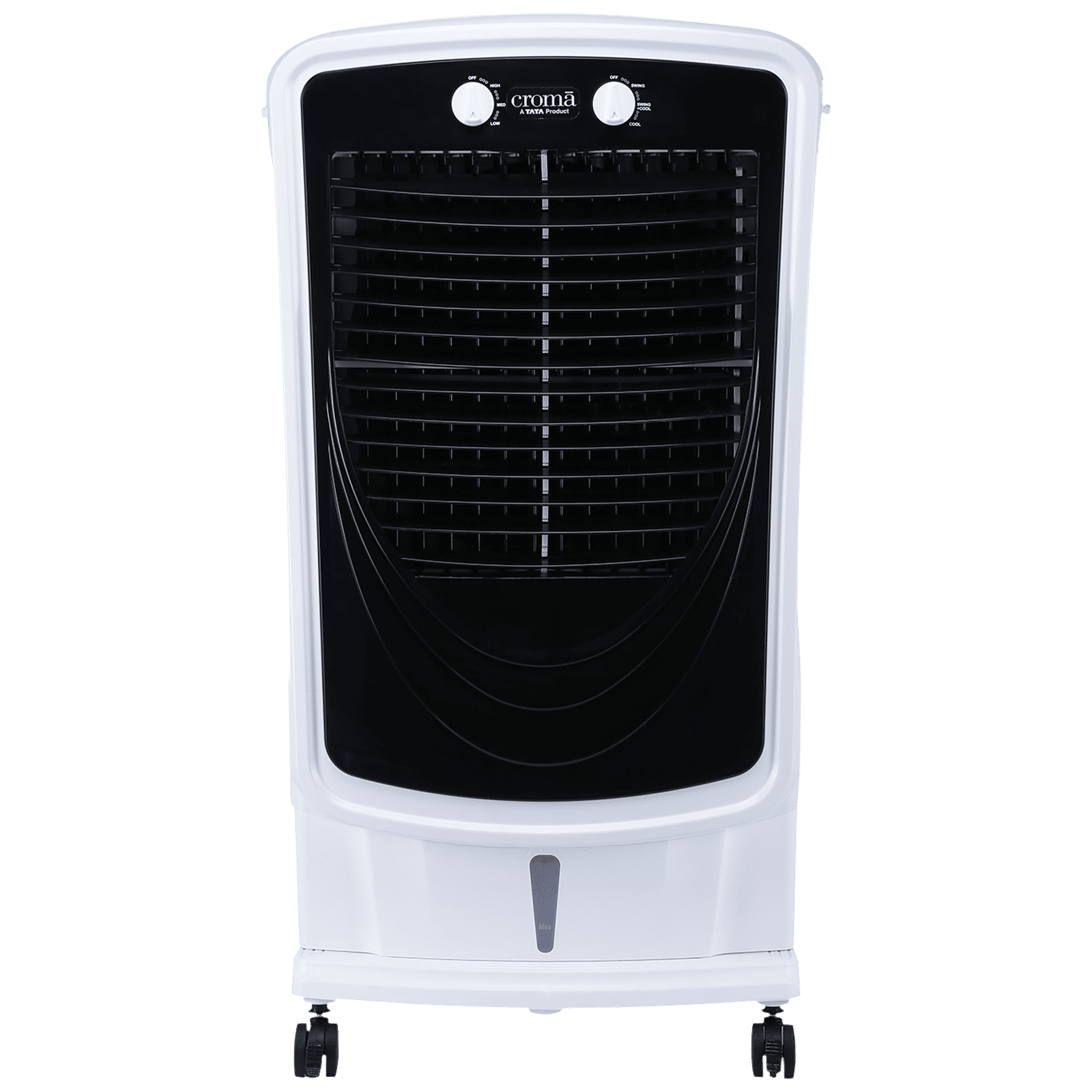
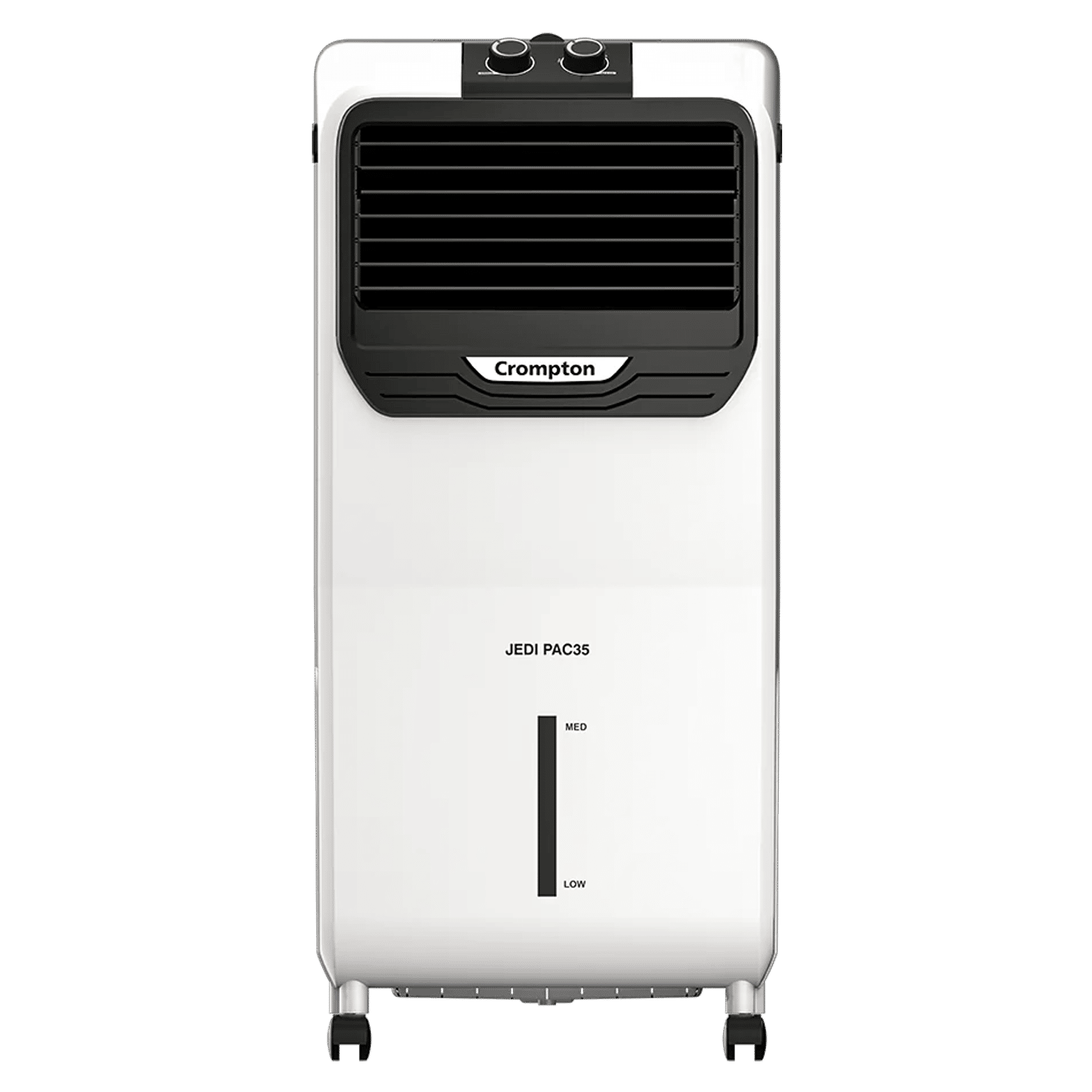
Since they are designed to work in hot and dry environments, it makes them highly sensitive to ambient humidity. They are bulky, take up floor space, and the large capacity leads to higher water consumption. Desert coolers are also louder because of their powerful fan.
Window air cooler vs desert air cooler: Which one should you buy
When choosing between a window air cooler and a desert air cooler, the answer boils down to where you live and the size of your space. If you live in a humid coastal city or in a small apartment, a window air cooler is the more practical choice. If you live in a dry, heatwave-prone region or need to cool a large space, a desert air cooler makes more sense.
Summer can be punishing, and the days of surviving with just a ceiling fan are mostly behind us. Regardless of the air cooler you choose, both are infinitely better options than sweating through peak summer. Another upside of these air coolers is they generally consume less power than an air conditioner, so you can not only sleep better but also save in the process.

Unleash your inner geek with Croma Unboxed
Subscribe now to stay ahead with the latest articles and updates
You are almost there
Enter your details to subscribe

Happiness unboxed!
Thank you for subscribing to our blog.
Disclaimer: This post as well as the layout and design on this website are protected under Indian intellectual property laws, including the Copyright Act, 1957 and the Trade Marks Act, 1999 and is the property of Infiniti Retail Limited (Croma). Using, copying (in full or in part), adapting or altering this post or any other material from Croma’s website is expressly prohibited without prior written permission from Croma. For permission to use the content on the Croma’s website, please connect on contactunboxed@croma.com
- Related articles
- Popular articles
Karthekayan Iyer
Comments