







With modern televisions, screen size is a major factor, but it doesn’t quite paint the entire picture of what you can expect. There’s also display resolution, which will tell you just how sharp a TV will be, and what kind of video content it can support.
With the popularity of streaming services such as Netflix, Prime Video, and JioHotstar, there’s also a lot of streaming content available in high resolutions going up to Ultra-HD, which better utilises the capabilities of big-screen, high-resolution TVs.
That said, choosing between Full-HD and Ultra-HD doesn’t have to be difficult, since it has a lot to do with the screen size of the TV you pick, along with your viewing habits. Read on to know more about the differences between FHD and UHD 4K resolutions, and figure out which one is best for you.
FHD vs UHD 4K: Choosing the right TV resolution
To start with, it’s important to understand the difference between Full-HD and Ultra-HD 4K resolutions when it comes to displays. Most current TVs have an aspect ratio of 16:9, and full-HD TVs have a resolution of 1920×1080 pixels spread across the screen. In comparison, Ultra-HD televisions have a typical resolution of 3840×2160 pixels, which is four times as many pixels – and therefore four times as sharp – as Full-HD.
This allows for a more detailed picture, as well as more scope for accurate colours and contrast. However, there are some factors that go into helping you decide whether you should get a full-HD or Ultra-HD TV.
ALSO READ: How much power does your TV consume? Television wattage and power consumption explained
Screen size: Smaller televisions don’t need to be as sharp, as the detail levels will be harder to view on a small screen. Therefore, popular TV screen sizes of around 32 to 43 inches are usually available in full-HD or lower resolutions. So if you want a small TV of up to around 43 inches, you’ll be happy with a full-HD option which will deliver decent picture quality.
TVs with larger screen sizes of around 50 inches or more are usually available in Ultra-HD resolution, to ensure that the picture quality matches up to the larger size of the screen. Therefore, if you’re considering a big TV, you’ll find yourself looking at Ultra-HD as the most likely option in terms of resolution.
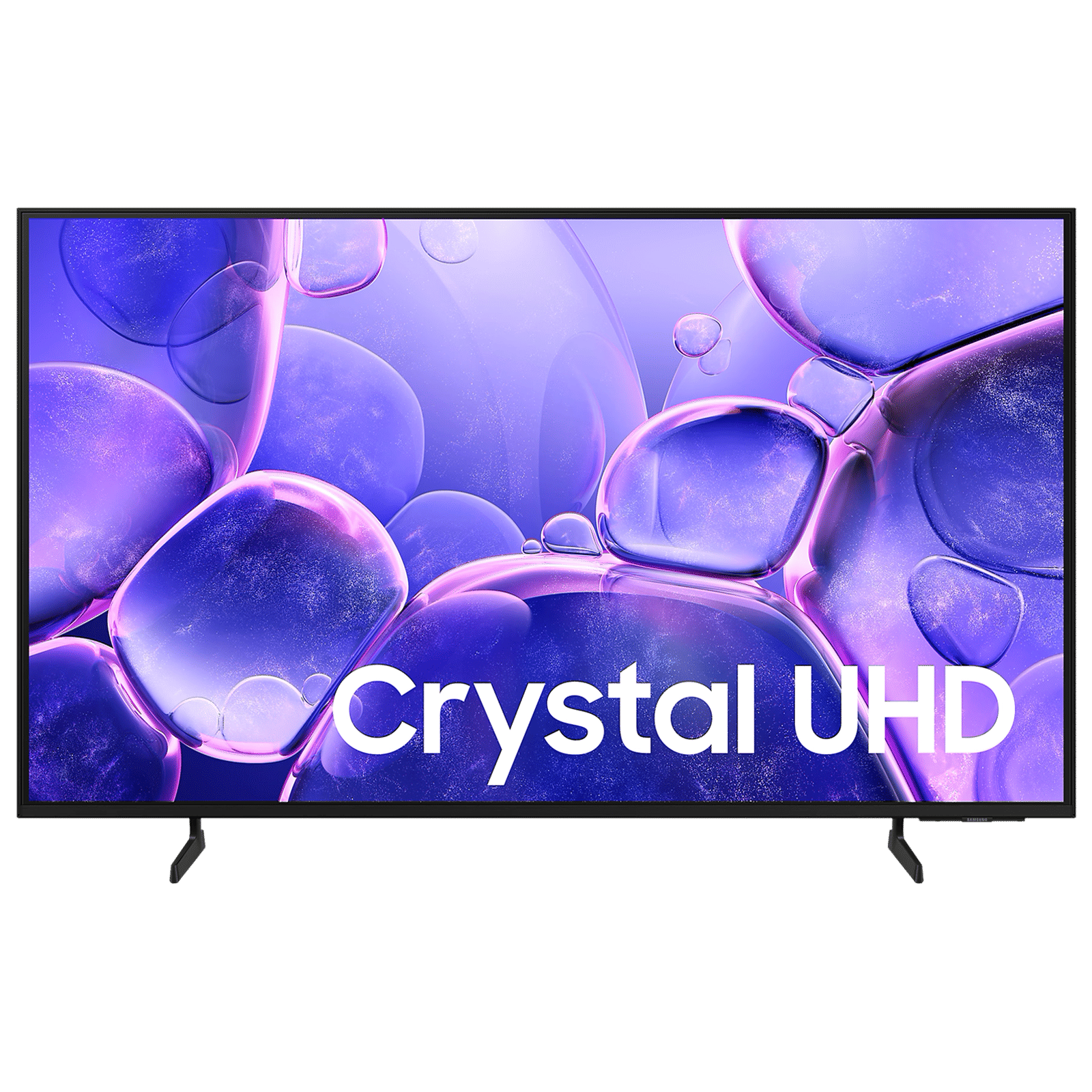
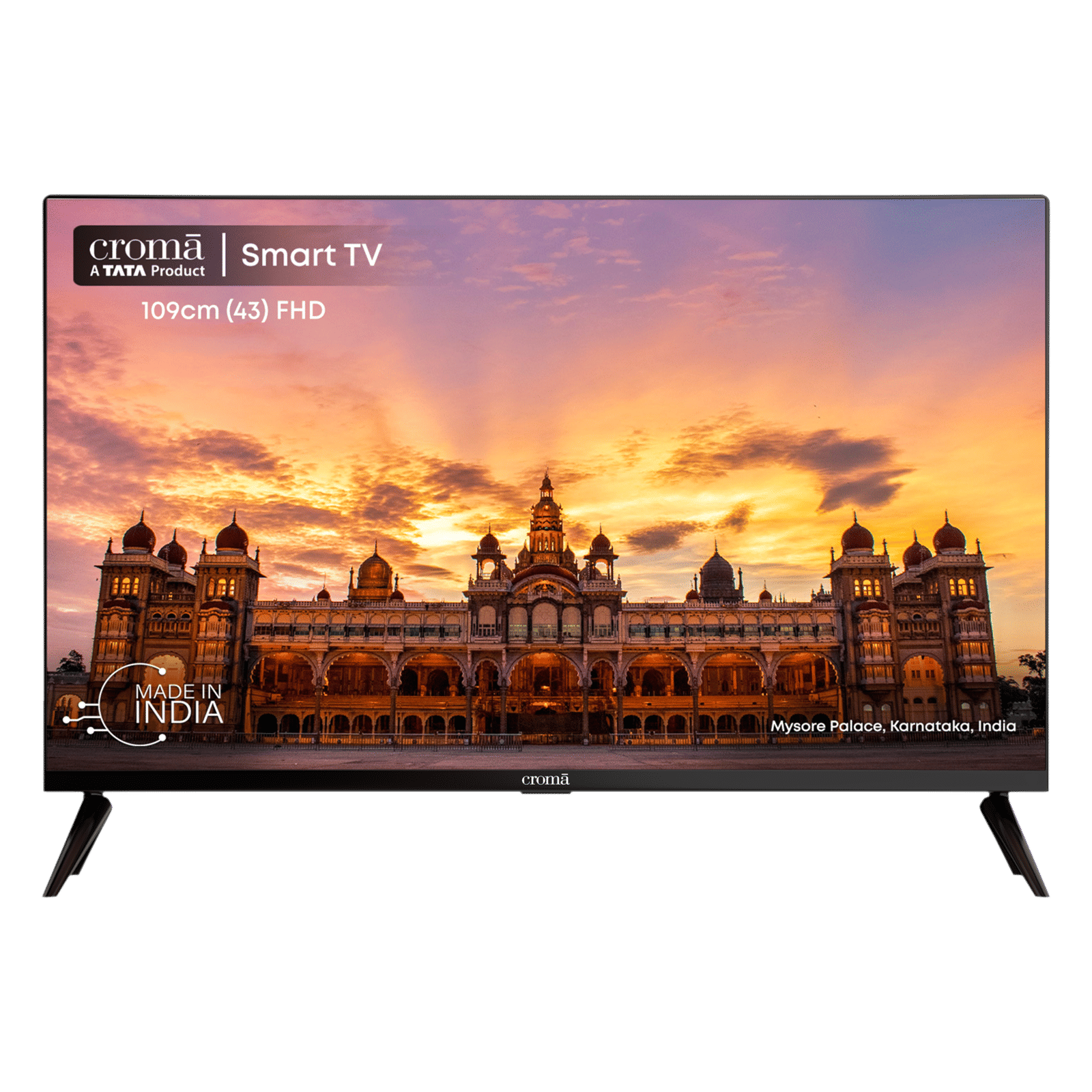
Content: What you watch on your TV will play a big part in what resolution you should go for. Modern streaming services offer a lot of Ultra-HD content, so if you watch most of your TV shows and movies on Netflix, Prime Video, JioHotstar, and others, you’ll want to get a big-screen Ultra-HD TV to make the most of the picture quality and resolution on offer.
On the other hand, if you typically watch a lot of DTH or cable TV content, you’ll be happy with a full-HD TV. The vast majority of content on traditional DTH and cable services maxes out at full-HD resolution, so an Ultra-HD TV won’t be of any benefit if that’s what you watch.
Price: Ultra-HD televisions cost a fair bit more than full-HD TVs, because of the obvious difference in screen quality and performance. If you’re on a budget, you’ll find many affordable and accessible full-HD options up to 43 inches in size. However, if budget is no bar and you’re looking for a big TV with better performance, you’ll want to go for an Ultra-HD television.

Unleash your inner geek with Croma Unboxed
Subscribe now to stay ahead with the latest articles and updates
You are almost there
Enter your details to subscribe

Happiness unboxed!
Thank you for subscribing to our blog.
Disclaimer: This post as well as the layout and design on this website are protected under Indian intellectual property laws, including the Copyright Act, 1957 and the Trade Marks Act, 1999 and is the property of Infiniti Retail Limited (Croma). Using, copying (in full or in part), adapting or altering this post or any other material from Croma’s website is expressly prohibited without prior written permission from Croma. For permission to use the content on the Croma’s website, please connect on contactunboxed@croma.com
- Related articles
- Popular articles
Ali Pardiwala
Comments