







Provided you’re not the type to keep misplacing remotes, a remote-controlled fan tends to be very convenient. Another hidden advantage is in areas that have power or wiring issues, where the fan regulator keeps burning up, a remote control simply bypasses the issue. The bigger question, though, is how do remote control fans work?
An RC fan is much like any other fan in most regards. You have a motor connected to AC power (either directly or converted to DC), but instead of a regulator to vary the voltage, there’s usually an additional digital circuit or inverter built in that controls the fan speed. The setting on that controller is managed by a receiver circuit, while a remote control sends commands to the receiver.
ALSO READ: BLDC fans vs normal fans: A comprehensive comparison of efficiency, cost, and performance
You press a button, a command is transmitted to the receiver, which sends the signal to the microcontroller, which then interprets the signal and determines an appropriate speed, usually based on presets.
The remote control itself normally uses infra-red technology to control the fan, though some of the more premium or app-controlled variants do use Wi-Fi or Bluetooth.
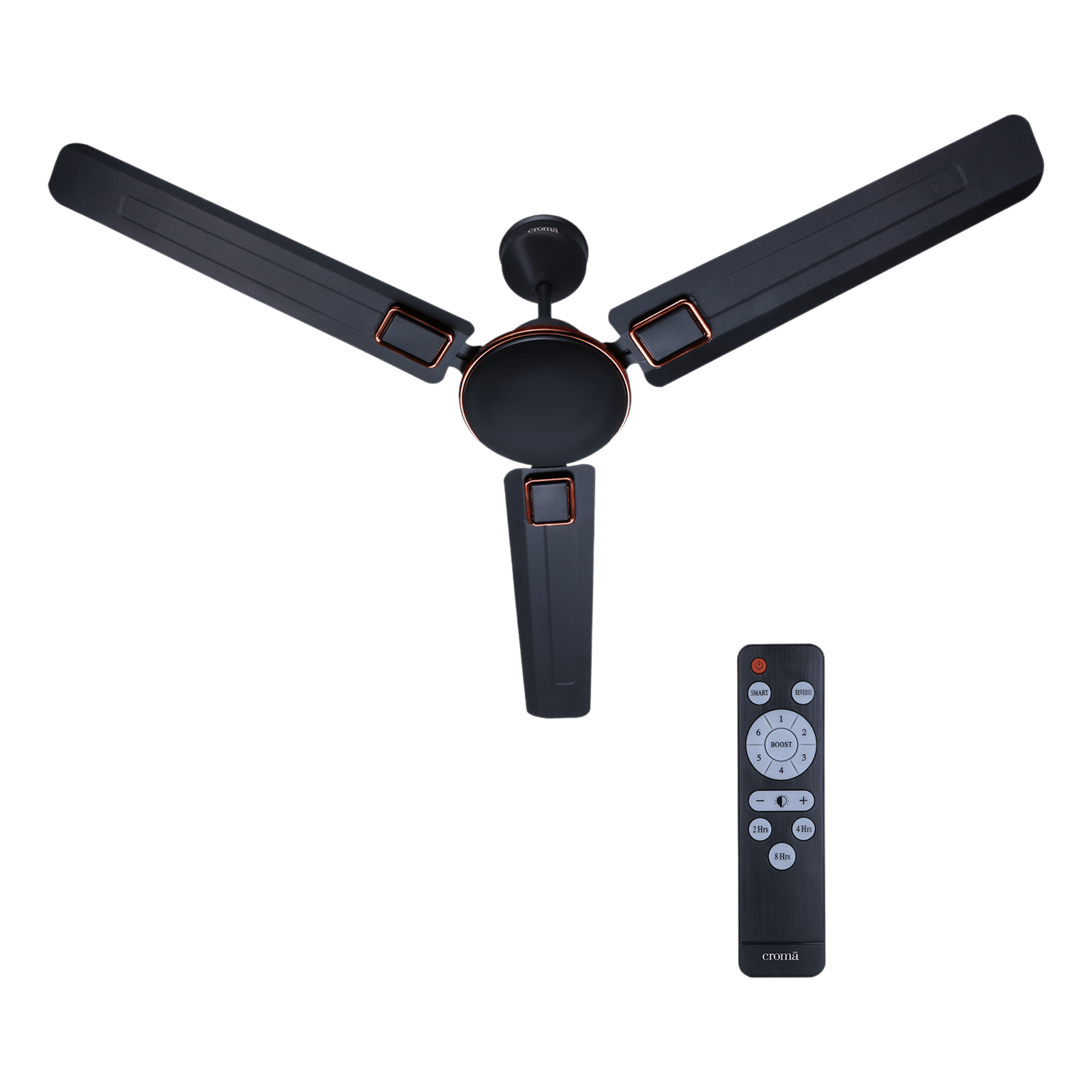
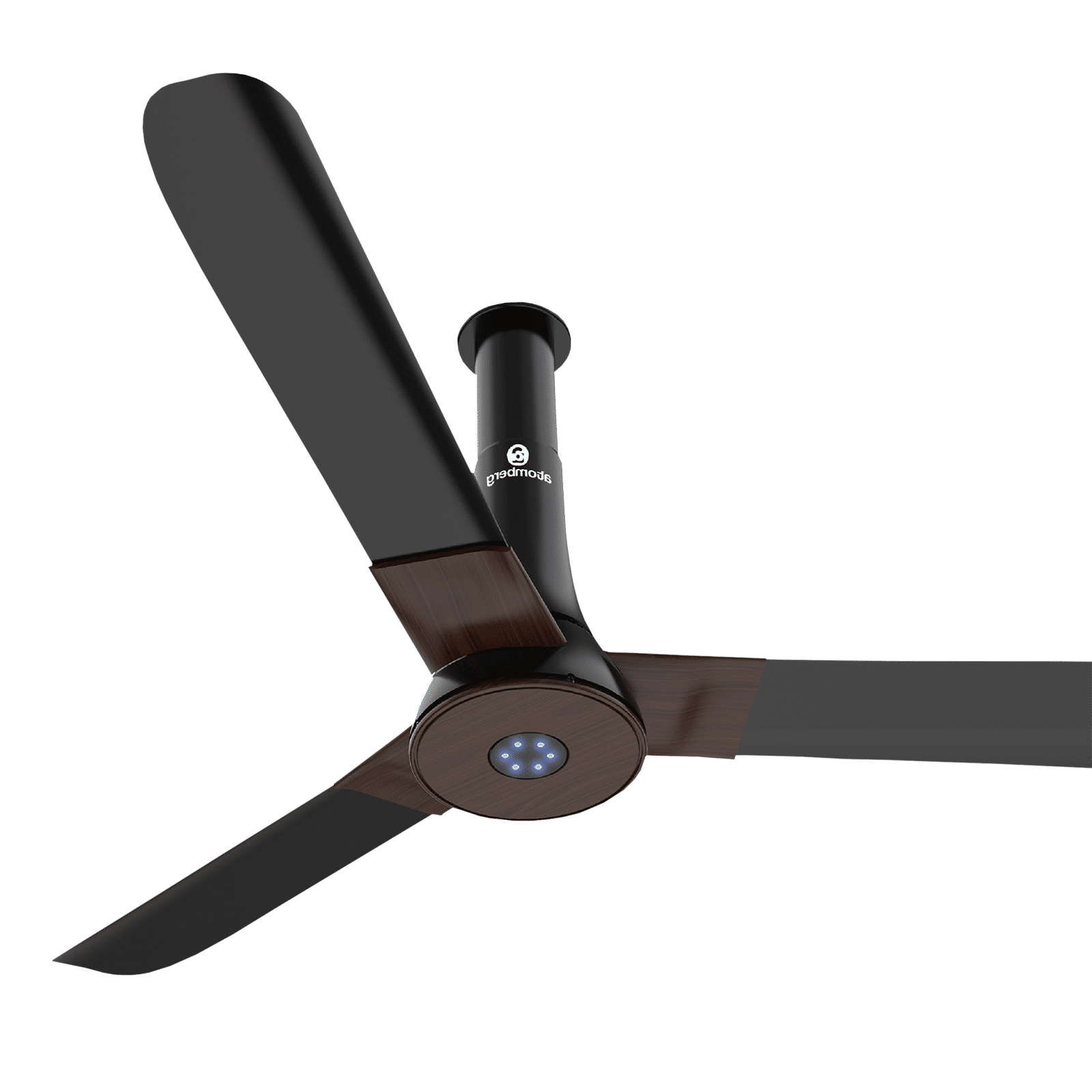
Now Bluetooth and Wi-Fi remotes can work as long as they’re within a certain radius of the fan, and they tend to be very reliable. The best part is that they don’t need line-of-site to the fan, i.e. you don’t need to point them directly at the fan to control the fan’s speed. An infra-red remote, however, much like your TV remote, needs direct line-of-sight to the ceiling fan to send a command.
It is possible for the same remote to be used on multiple fans in the case of both infra-red and wireless options, but normally the wireless signal is encoded to a particular fan to ensure that the signal doesn’t trigger a fan that it shouldn’t. Since infra-red remotes use line-of-sight, they will generally only trigger the fan that you’re pointing the remote at.
Note that while many fans still use AC power directly, newer fans tend to use DC motors. These are more sophisticated and allow for more granular control of fan speed. Most modern remote-controlled fans use BLDC motors for finer control and efficiency.

Unleash your inner geek with Croma Unboxed
Subscribe now to stay ahead with the latest articles and updates
You are almost there
Enter your details to subscribe

Happiness unboxed!
Thank you for subscribing to our blog.
Disclaimer: This post as well as the layout and design on this website are protected under Indian intellectual property laws, including the Copyright Act, 1957 and the Trade Marks Act, 1999 and is the property of Infiniti Retail Limited (Croma). Using, copying (in full or in part), adapting or altering this post or any other material from Croma’s website is expressly prohibited without prior written permission from Croma. For permission to use the content on the Croma’s website, please connect on contactunboxed@croma.com
- Related articles
- Popular articles
Anirudh Regidi
Comments