







Charging an iPhone today usually comes down to two options: a USB-C cable or a MagSafe charger. But which one do you choose, and which one actually works better? It’s a small decision, but one iPhone users make all the time. Both options get the job done, but they offer very different experiences when it comes to speed, convenience, and everyday use. In this guide, we take a closer look at MagSafe vs. USB-C charging to help you decide which option makes more sense for your routine.
MagSafe vs USB-C: Which is better for iPhone charging?
Charging your iPhone sounds simple until you actually have to choose how to do it. With modern iPhones supporting both MagSafe wireless charging and USB-C wired charging, the question is no longer about which works, but rather what works better for your specific situation. As you might already know, MagSafe is Apple’s magnetic wireless charging system, first introduced with the iPhone 12. It uses a ring of magnets on the back of the phone to snap into perfect alignment with a compatible charger.
ALSO READ: MagSafe vs wireless charger: Which one is better for Your iPhone?
Moreover, with newer Qi2 updates, MagSafe can now reach up to 25W charging speeds under ideal conditions. USB-C, on the other hand, is the universal wired charging standard used across phones, laptops, tablets, and accessories. Apple adopted USB-C starting with the iPhone 15, replacing the company’s proprietary Lightning charging tech. But which among the two is better?
MagSafe vs USB-C - Charging speed
If charging speed matters, USB-C is the clear winner here. MagSafe typically delivers up to 15W, and with Qi2.2 support, some newer iPhones can reach as much as 25W wirelessly. In real-world use, charging from 0 to 50 percent usually takes around 30 to 45 minutes; however, wireless charging also generates a ton of heat, which reduces overall efficiency.
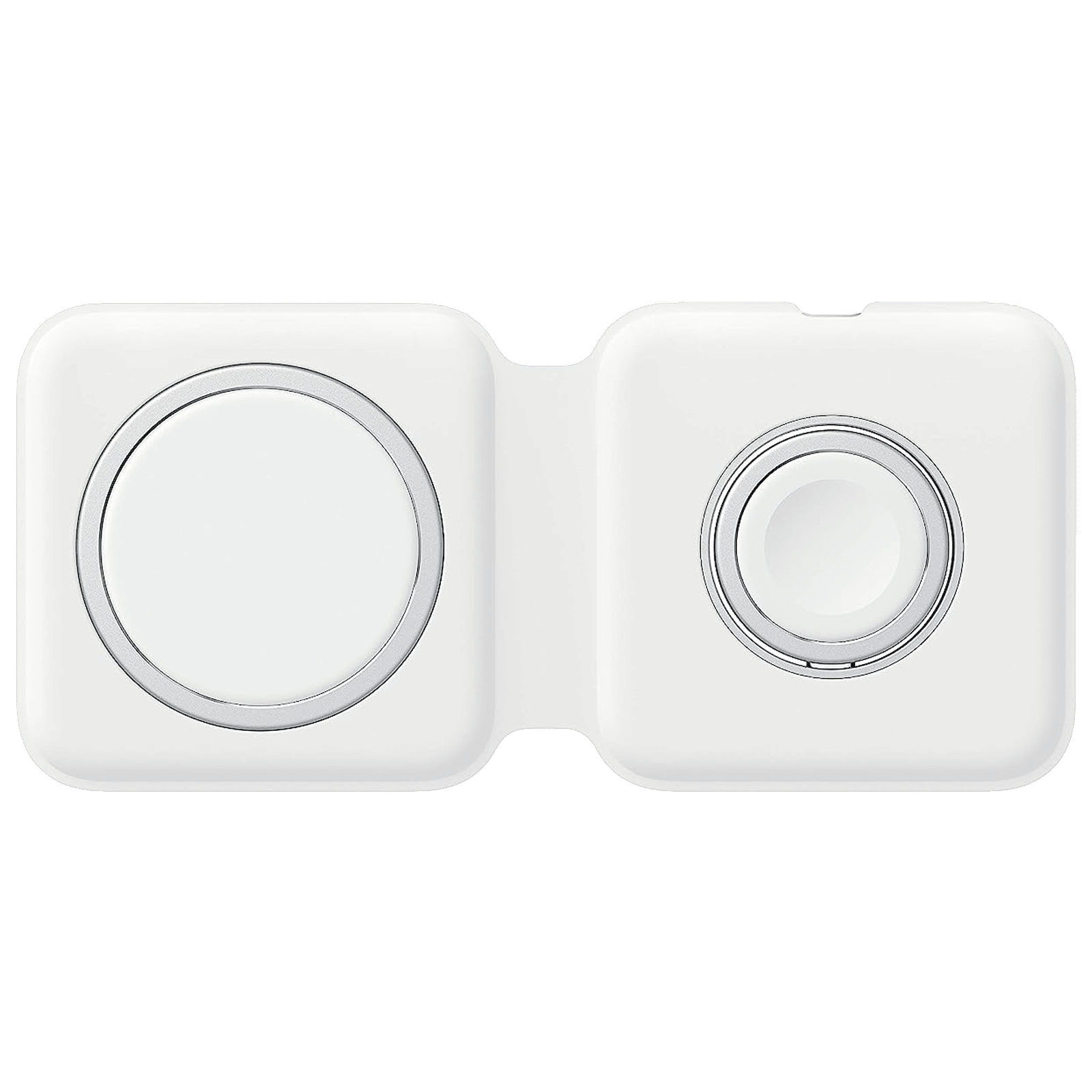

USB-C charging is clearly faster. Newer iPhones support higher wired charging speeds, allowing the battery to hit around 50 percent in roughly 20 minutes with a certified high-wattage adapter. Wired charging is also more efficient and generates less heat, which makes it better for quick top-ups.
Battery health: MagSafe vs USB-C
Battery health is one of the most common concerns around iPhone charging, mostly because excess heat can cause long-term battery wear. Wireless charging methods like MagSafe generate more heat, which can accelerate battery aging when used all the time.
On the other hand, USB-C charging is more efficient and runs cooler, making it gentler on the battery during regular use. Additionally, Apple’s software features, such as Optimized Battery Charging and Clean Energy Charging, also help manage wear regardless of how you charge. Therefore, for most users, the real-world difference between MagSafe and USB-C remains modest.
MagSafe vs USB-C: Which is better for iPhone charging?
So which option should you choose, MagSafe or USB-C? Well, there’s no clear winner and it all comes down to how you charge your phone and where you use it. MagSafe works best in places where convenience matters more than charging speed, like nightstands and desks or work setups. Because you are not dealing with a cable, it is easy to pick up your phone and drop it back onto the charger without thinking about it.
USB-C is the better choice when you need faster charging, data transfer, or a single cable that works across multiple devices, especially while travelling or topping up in a hurry. It is more efficient, easier to replace, and more dependable when you are out and about. All in all, in everyday use, alternating between the two often delivers the best balance of speed, ease, and battery longevity.

Unleash your inner geek with Croma Unboxed
Subscribe now to stay ahead with the latest articles and updates
You are almost there
Enter your details to subscribe

Happiness unboxed!
Thank you for subscribing to our blog.
Disclaimer: This post as well as the layout and design on this website are protected under Indian intellectual property laws, including the Copyright Act, 1957 and the Trade Marks Act, 1999 and is the property of Infiniti Retail Limited (Croma). Using, copying (in full or in part), adapting or altering this post or any other material from Croma’s website is expressly prohibited without prior written permission from Croma. For permission to use the content on the Croma’s website, please connect on contactunboxed@croma.com
- Related articles
- Popular articles
Shubhendu Vatsa
Comments