







Our gadgets need electricity, whether to charge up the battery or to power it for operation. Understandably, the bigger the gadget or appliance and the more hours it needs to run for, the more electricity it consumes.
We typically only consider heavy appliances such as refrigerators, air conditioners, geysers, and washing machines as consuming the most electricity, and that tends to be true to some extent because of the number of hours these appliances need to run for and the operational load. However, we often forget how much of an impact our TV can have on the electricity bill.
ALSO READ: LED vs OLED TVs: Which type of television should you get?
Like other appliances, televisions also tend to run for long hours at a stretch. The bigger the screen, the more power consumption, and factors such as display type and smart connectivity can also have an impact on the energy usage of the TV. Read on to find out all you need to know about TV wattage and power consumption.
TV wattage and power consumption: What does it mean?
Most modern televisions come with a power consumption rating, which is mentioned in watts. In some cases, there will also be a standby power consumption rating, which signifies how much power is consumed when the television is in standby mode and ready to be turned on. Both of these are important to understand how much energy a TV uses on a day-to-day basis.
The typical energy consumption of a TV varies according to size, resolution, and display type. Among current TV display types, LED TVs are the most energy efficient, while QLED and OLED TVs consume much more power due to the unique nature of the displays and backlighting. Therefore you’ll see a much lower impact on your energy bill from a 32-inch or 43-inch LED TV, as compared to a 65-inch QLED or OLED TV which can consume twice or even thrice as much power as the smaller LED TV.
You can also calculate the impact on your energy bill directly, using a quick formula. If your TV has an average power consumption rating of 100W, this means that it will consume 100W per hour. If you use the TV for 3 hours a day every day, the TV consumes 9000Wh or 9kWh of energy per month (100W x 3 hours x 30 days). In India, most bills are calculated in kWh units, so you can use this to understand how much you’re paying to use your TV per month.
How to keep your energy costs down
Smaller televisions natural consumption much less power, so consider getting a smaller TV which might be more appropriate for smaller-sized rooms. Alternatively, most televisions also conform to the Energy Star rating system, and you can find a 5-star rated TV which will consume less power in ordinary operation.

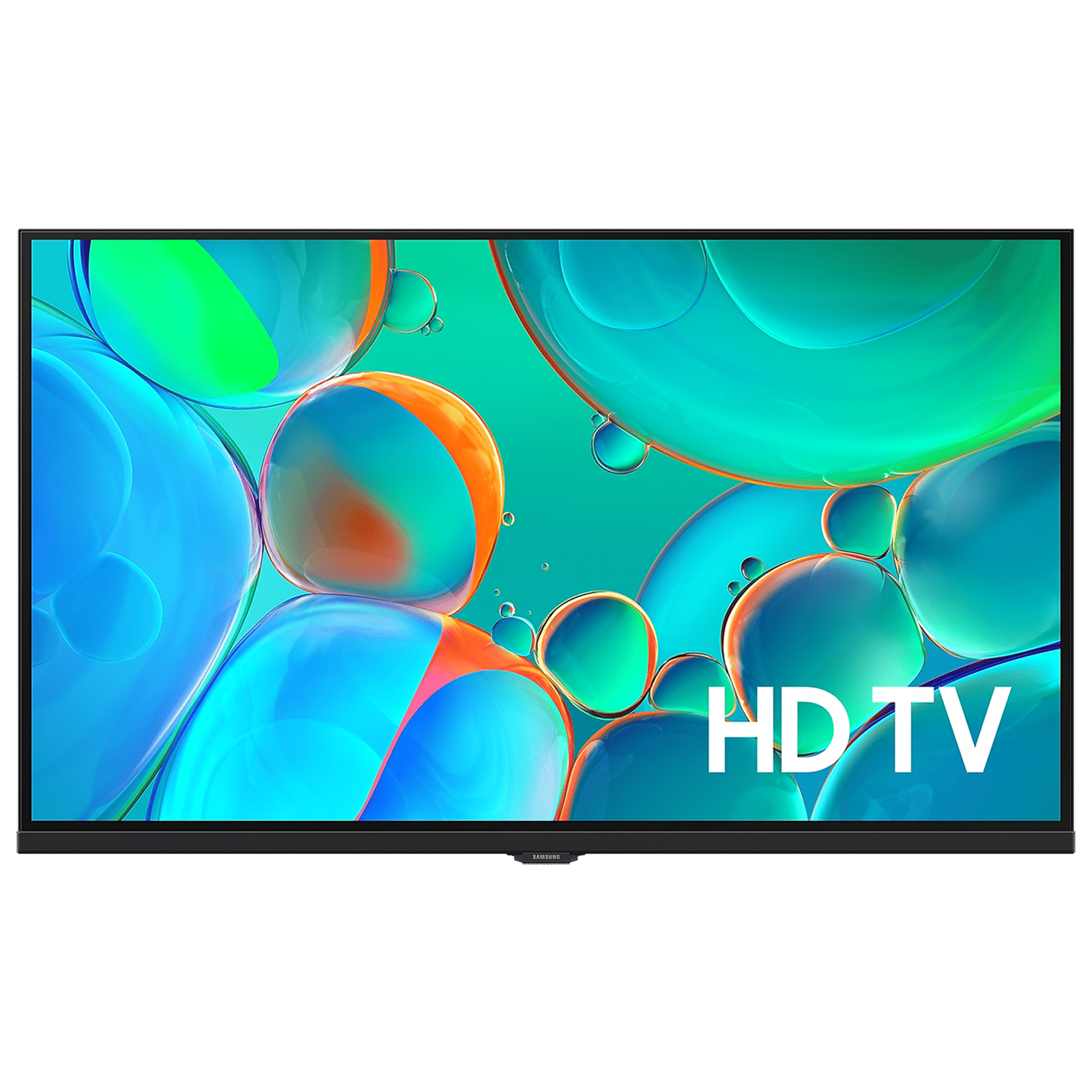
Finally, basic good habits can help you keep the power bills down as well. You can use power-saving modes, reduce the brightness levels especially at night or when other lights have been set to dim levels, and just remember to turn off the TV when not in use. If you aren’t going to be using the TV for a few days (such as when you’re traveling), you can turn it off completely to ensure that even standby power consumption is avoided.

Unleash your inner geek with Croma Unboxed
Subscribe now to stay ahead with the latest articles and updates
You are almost there
Enter your details to subscribe

Happiness unboxed!
Thank you for subscribing to our blog.
Disclaimer: This post as well as the layout and design on this website are protected under Indian intellectual property laws, including the Copyright Act, 1957 and the Trade Marks Act, 1999 and is the property of Infiniti Retail Limited (Croma). Using, copying (in full or in part), adapting or altering this post or any other material from Croma’s website is expressly prohibited without prior written permission from Croma. For permission to use the content on the Croma’s website, please connect on contactunboxed@croma.com
- Related articles
- Popular articles
Ali Pardiwala
Comments