







There’s a shift in the tech universe that doesn’t involve a new sensor, a folding screen, or generative AI – it’s a shift in naming. And Xiaomi, a brand known for playfully toeing the line between innovation and strategy, might be prepping for a numerical glow-up.
According to a XiaomiTime report, the company could jump from HyperOS 3 straight to HyperOS 26, aligning the software’s versioning with the 2026 release year. And yes, if that sounds familiar, it’s because Apple’s allegedly doing the exact same thing with iOS.
Why HyperOS 26?
At first glance, the leap from version 3 to 26 sounds excessive, even arbitrary. But it’s not without intent. The idea is to sync version numbers with the calendar year, making it easier for users to understand release cycles without pulling out a calculator or browsing changelogs.
ALSO READ: Apple’s big switch: iOS 26 may replace iOS 19
A “HyperOS 26” launching in 2026 makes a lot more sense to the average consumer than “HyperOS 4”. Or, in Apple’s case, iOS 26 will launch in 2025, but it will be the de facto software version for devices going in 2026. It’s a strategy that prioritises psychological UX, making users feel up-to-date, even before they get into what’s under the hood.
Apple’s influence, again
Reports suggest Apple’s entire OS lineup – from iOS to macOS – could be moving to version 26 next year, a major jump from the expected iOS 19. And just like that, Xiaomi seems to be in sync. Not in hardware specs, not in chip design; but in marketing rhythm.
This isn’t the first time Apple has set the tone for how OS updates are packaged. Remember when “S” models and “Pro” tags suddenly became mainstream? Xiaomi’s HyperOS rebrand last year already indicated a desire to move away from its MIUI roots, and this potential renaming is just a continuation of that evolution.
Let’s be clear, Xiaomi hasn’t officially confirmed the change. HyperOS 3 is still the current public build, and there’s no concrete proof yet that the brand will skip 23 version numbers overnight. But the move wouldn’t be without precedent or purpose.
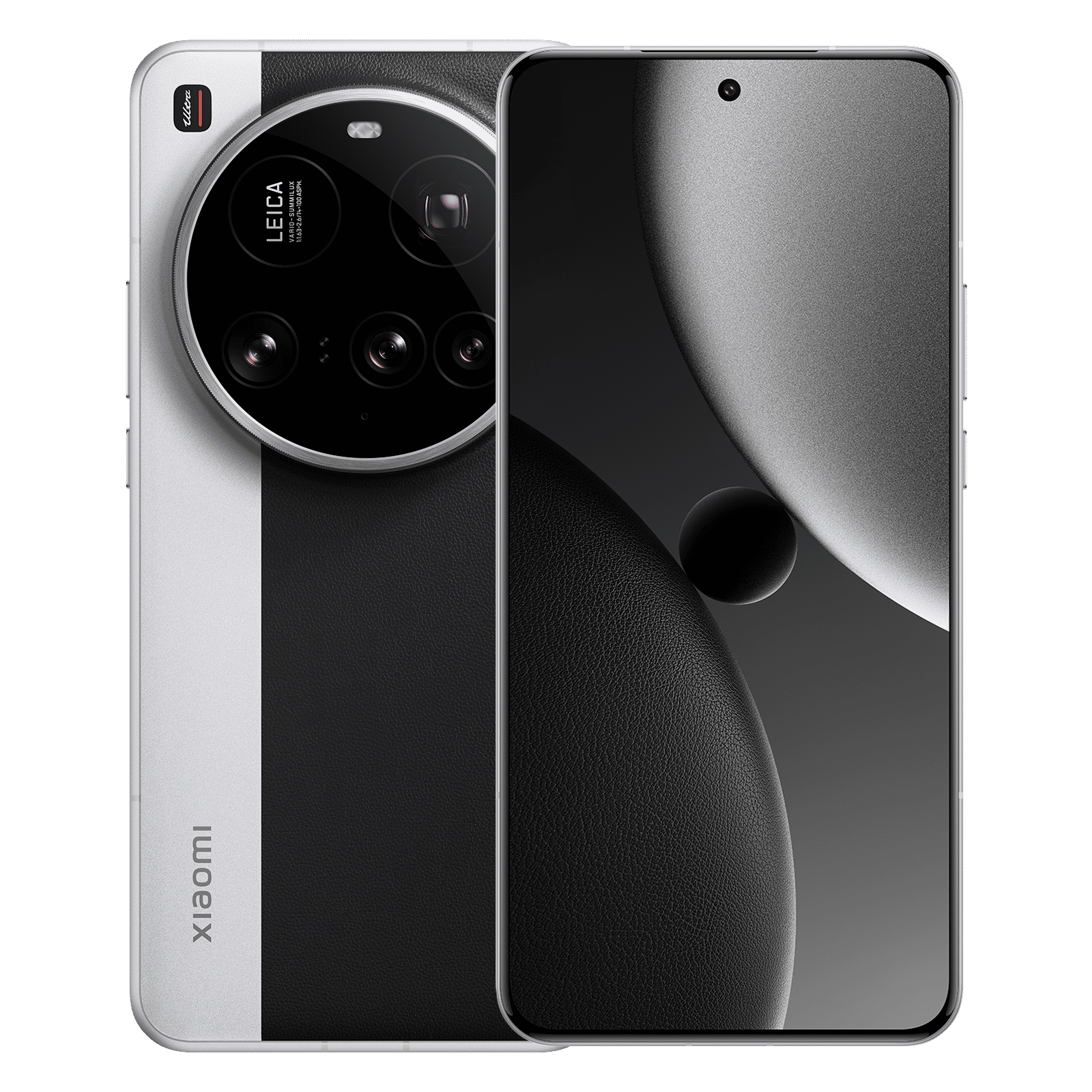

According to the report, this is part of a broader goal to “align with top market strategies”, likely a coded nod to Apple, Google, and even Samsung, all of whom are refining their OS ecosystems for greater global appeal.
In a saturated market where the average user struggles to differentiate between software versions, a clear and clean naming system is an edge, not a gimmick. For more informative news in the world of tech, stay tuned to Unboxed by Croma.

Unleash your inner geek with Croma Unboxed
Subscribe now to stay ahead with the latest articles and updates
You are almost there
Enter your details to subscribe

Happiness unboxed!
Thank you for subscribing to our blog.
Disclaimer: This post as well as the layout and design on this website are protected under Indian intellectual property laws, including the Copyright Act, 1957 and the Trade Marks Act, 1999 and is the property of Infiniti Retail Limited (Croma). Using, copying (in full or in part), adapting or altering this post or any other material from Croma’s website is expressly prohibited without prior written permission from Croma. For permission to use the content on the Croma’s website, please connect on contactunboxed@croma.com
- Related articles
- Popular articles
Dhriti Datta
Comments