







Unlike electric heaters that use a fan to blow air over a hot coil, oil room heaters use oil-filled radiators to efficiently distribute heat over a larger area. The oil is first heated and then the hot oil is circulated in a closed loop.
The setup is as follows:
The first thing to know is that everything takes place inside a closed-loop system i.e. no oil leaks out and no additional oil or fuel needs to be added. You simply install the radiators and connecting pipes where needed and turn on the system for it to start working.
First an electric element not unlike the one found inside a water heater heats up the oil in a special container. This hot oil then starts moving through the system through natural convection. Hot oil expands and displaces the cooler oil in the system, forcing the oil to flow through. Pumps may be used in larger setups to force oil to flow through the system faster or when the radiators are much further away from the source.
This hot oil then passes through tubes connected to radiators. The radiators absorb the heat from the tubes and radiates it into the room, heating up the room in the process. The oil loses heat and cycles through the system and back into the heating chamber.
The heat transfer process involves the following processes:
Convection: This allows the hot oil to circulate by displacing the denser, colder oil.
Conduction: This process allows the heat to transfer from the oil filled pipes (usually made of copper) to fins (aluminium or some other conductive material).
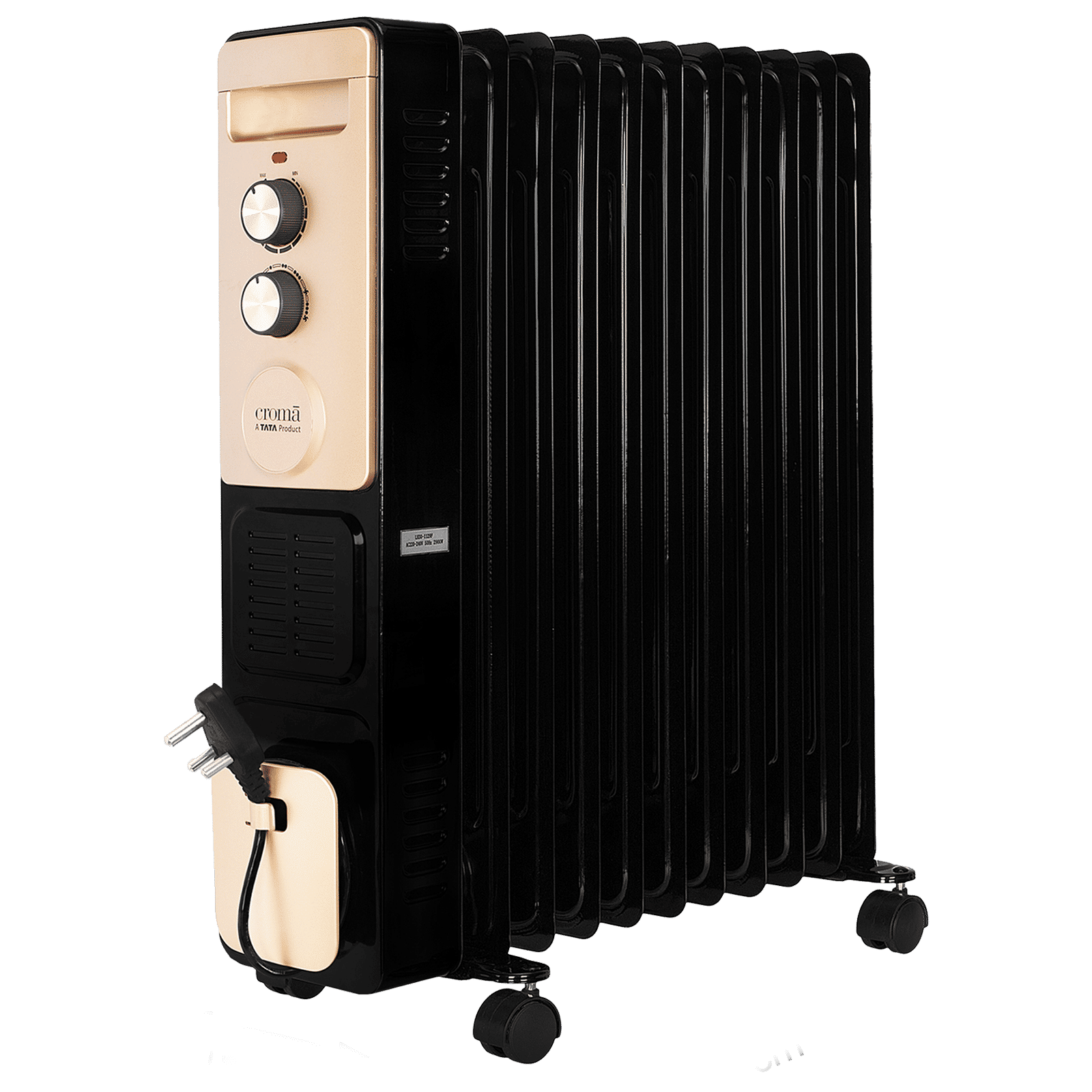
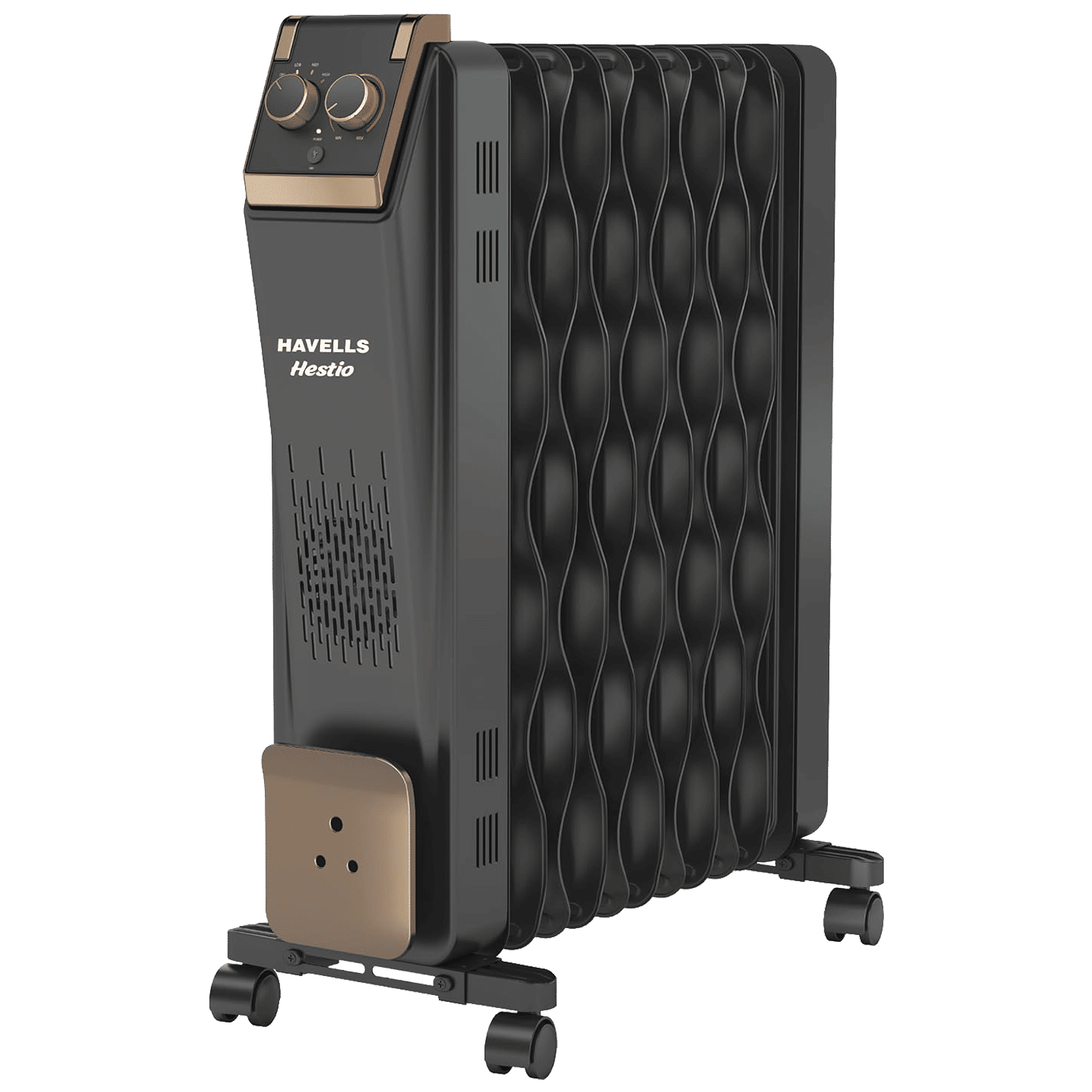
Radiation: This is the process by which the hot fins release heat into the surroundings, allowing the room to heat up.
This process is very efficient as oil retains heat very well. Almost all the heat released by the heating coil can be absorbed by the oil owing to its high specific heat capacity, which is an indicator of how well a fluid retains heat energy.
ALSO READ: What’s the difference between a PTC heater and a traditional one?
Two big advantages of such a setup are first that it’s completely silent owing to a lack of moving parts, and second that the heat output is consistent and easy to control owing to the heat retention properties of oil.

Unleash your inner geek with Croma Unboxed
Subscribe now to stay ahead with the latest articles and updates
You are almost there
Enter your details to subscribe

Happiness unboxed!
Thank you for subscribing to our blog.
Disclaimer: This post as well as the layout and design on this website are protected under Indian intellectual property laws, including the Copyright Act, 1957 and the Trade Marks Act, 1999 and is the property of Infiniti Retail Limited (Croma). Using, copying (in full or in part), adapting or altering this post or any other material from Croma’s website is expressly prohibited without prior written permission from Croma. For permission to use the content on the Croma’s website, please connect on contactunboxed@croma.com
- Related articles
- Popular articles
Anirudh Regidi
Comments