







When shopping for a new air conditioner, you might have come across terms like EER, ISEER, and star rating. While they might sound too technical, there is one term you need to understand: EER. Short for Energy Efficiency Ratio, an EER in AC is a measure of how efficiently your air conditioner uses electricity to cool a room.
In other words, EER shows the efficiency of your air conditioner, and in a country like India with long summers and frequent heat waves, it defines whether your electricity bill will be inadvertently affected. Let’s take a look at what EER is in AC and whether it should influence your next AC purchase.
EER in AC: What it means
EER (Energy Efficiency Ratio) is the ratio of the cooling capacity of the air conditioner (measured in BTU per hour) to the power it consumes (measured in watts). The formula is EER = Cooling Capacity (BTU/hr) ÷ Power Input (Watts).
ALSO READ: Does your home need an AC or an air cooler? There’s an easy way to know
For example, if an AC offers 12,000 BTU/hr cooling while consuming 1,200 watts of electricity, its EER would be: EER = 12,000/1,200 = 10.
This metric for an AC is generally listed on the Bureau of Energy Efficiency (BEE) star rating label and is common among window ACs and older models. A higher EER means the AC cools your room by consuming less electricity, translating to lower energy bills.
AC energy efficiency ratio: Why does it matter
An AC has become a must-have appliance to stay cool in India, where summers are long and have set new maximum temperatures. However, most people worry about AC increasing their energy bills, and EER is one of the ways to understand how it will impact your energy bill or help you stay cool. Here is why the energy efficiency ratio in AC matters:
Saves electricity
An AC with a higher EER consumes less electricity to produce the same cooling effect. During the months with heavy usage, an AC with a higher EER can result in significant savings.
Performance indicator
EER is a reliable metric to measure the real-world performance of an AC under fixed conditions. When comparing models, an EER can be a reliable tool to understand the difference in performance and their long-term impact.
Lower operational cost
While an AC with a higher EER may cost more upfront, it will allow you to quickly recover the cost through lower energy bills. In regions with a hot climate and higher AC usage, you will have lower operational costs.
Environment-friendly
By choosing an AC with a higher EER, you are essentially choosing an environmentally friendly offering. Higher EER means lower energy consumption and thus fewer greenhouse gas emissions.
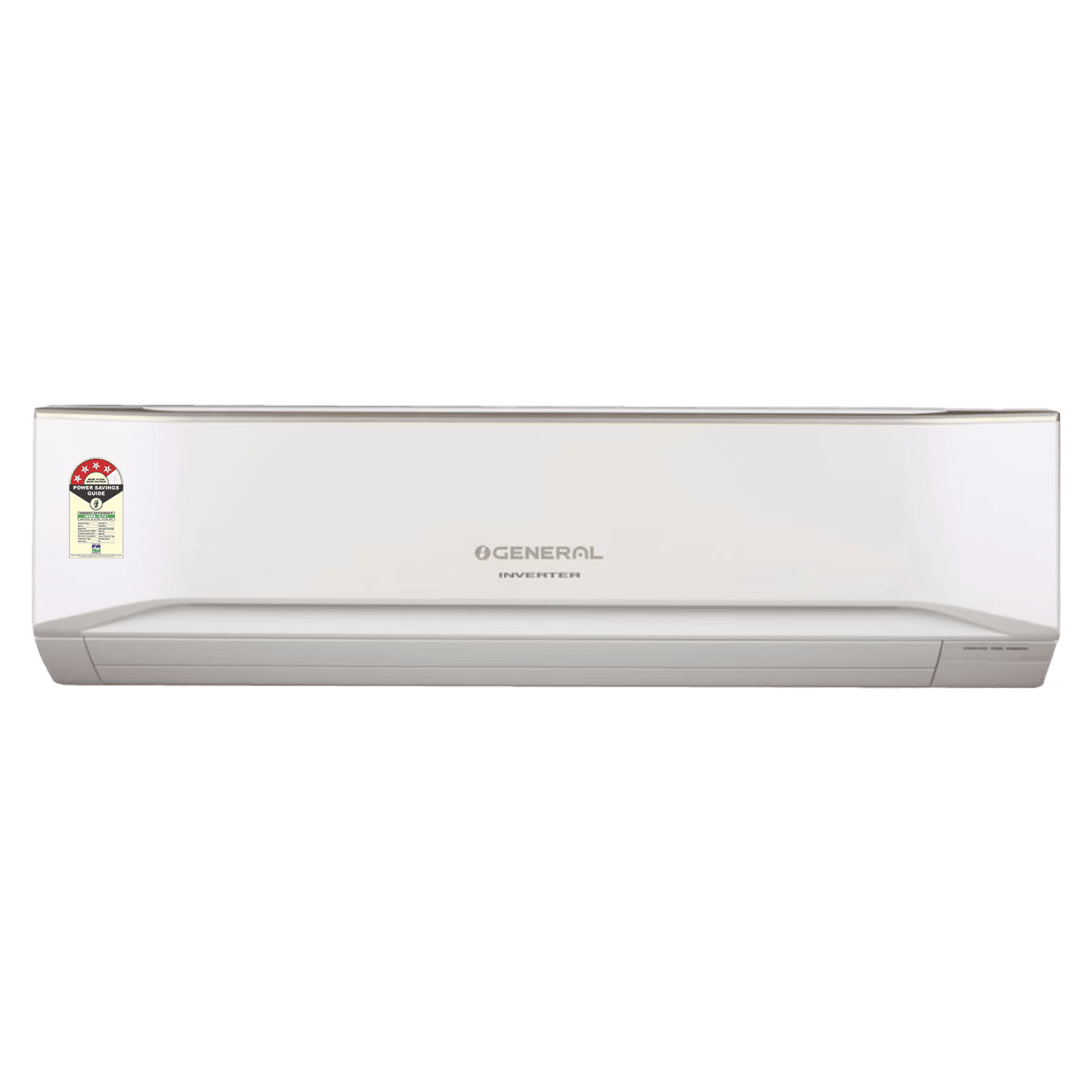
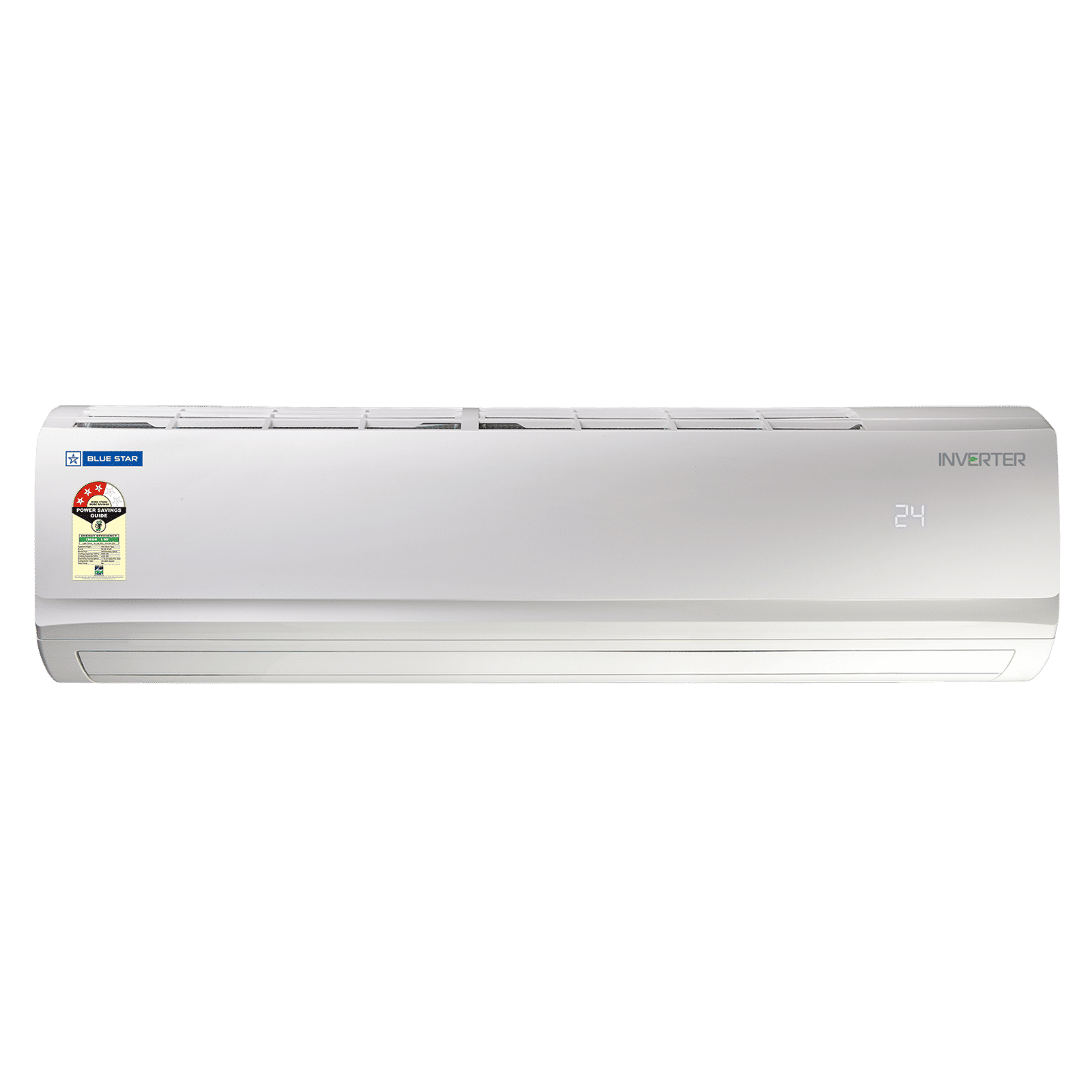
EER: How is it different from ISEER
While EER is a great way to understand the real-world efficiency of an AC, consumers often get confused between EER and ISEER. The primary difference between the two lies in how they measure efficiency. An EER measures efficiency at a fixed outdoor temperature of usually 35°C, while ISEER (Indian Seasonal Energy Efficiency Ratio) is a newer standard that takes into account seasonal variations.
ALSO READ: Best split and window 5-star ACs in India in 2025
With ISEER, you will get a more accurate picture of how your AC will perform throughout the year and during different climate conditions. In India, most split ACs now display ISEER while window ACs rely on EER. In a nutshell, an AC with a higher EER or ISEER will not only be easier on your wallet but also the planet.
Energy Efficiency Ratio (EER) in AC is not just a number but a window into long-term performance, sustainability, and savings. Next time, when you are looking for a new AC, don’t stop at the tonnage; also check the EER and ISEER.

Unleash your inner geek with Croma Unboxed
Subscribe now to stay ahead with the latest articles and updates
You are almost there
Enter your details to subscribe

Happiness unboxed!
Thank you for subscribing to our blog.
Disclaimer: This post as well as the layout and design on this website are protected under Indian intellectual property laws, including the Copyright Act, 1957 and the Trade Marks Act, 1999 and is the property of Infiniti Retail Limited (Croma). Using, copying (in full or in part), adapting or altering this post or any other material from Croma’s website is expressly prohibited without prior written permission from Croma. For permission to use the content on the Croma’s website, please connect on contactunboxed@croma.com
- Related articles
- Popular articles
Karthekayan Iyer
Comments