







The tablet market does not change dramatically every year. Apple’s iPad lineup has long held the comfortable middle ground between laptops and phones, especially with the base model iPad becoming the go-to recommendation for students, casual creators, and anyone who simply wants a dependable big screen.
But every so often, a challenger arrives with enough hardware ambition to disrupt that comfort zone. The Xiaomi Pad 8 is exactly that device. On paper, it packs the kind of specifications usually reserved for pricier tablets, while keeping the price within touching distance of Apple’s entry iPad.
ALSO READ: Xiaomi Pad 8 launches in India with Snapdragon 8s Gen 4, upgraded stylus, and more
This sets up a fascinating comparison. The Xiaomi Pad 8 represents the hardware-first philosophy of the Android ecosystem, pushing display technology, charging speeds, and specifications. The iPad (11th Gen), meanwhile, represents Apple’s well-worn strategy of balance and polish, where software and ecosystem matter as much as raw numbers.
So which tablet deserves a place in your backpack?
Xiaomi Pad 8 vs Apple iPad 11th Gen: Design and display
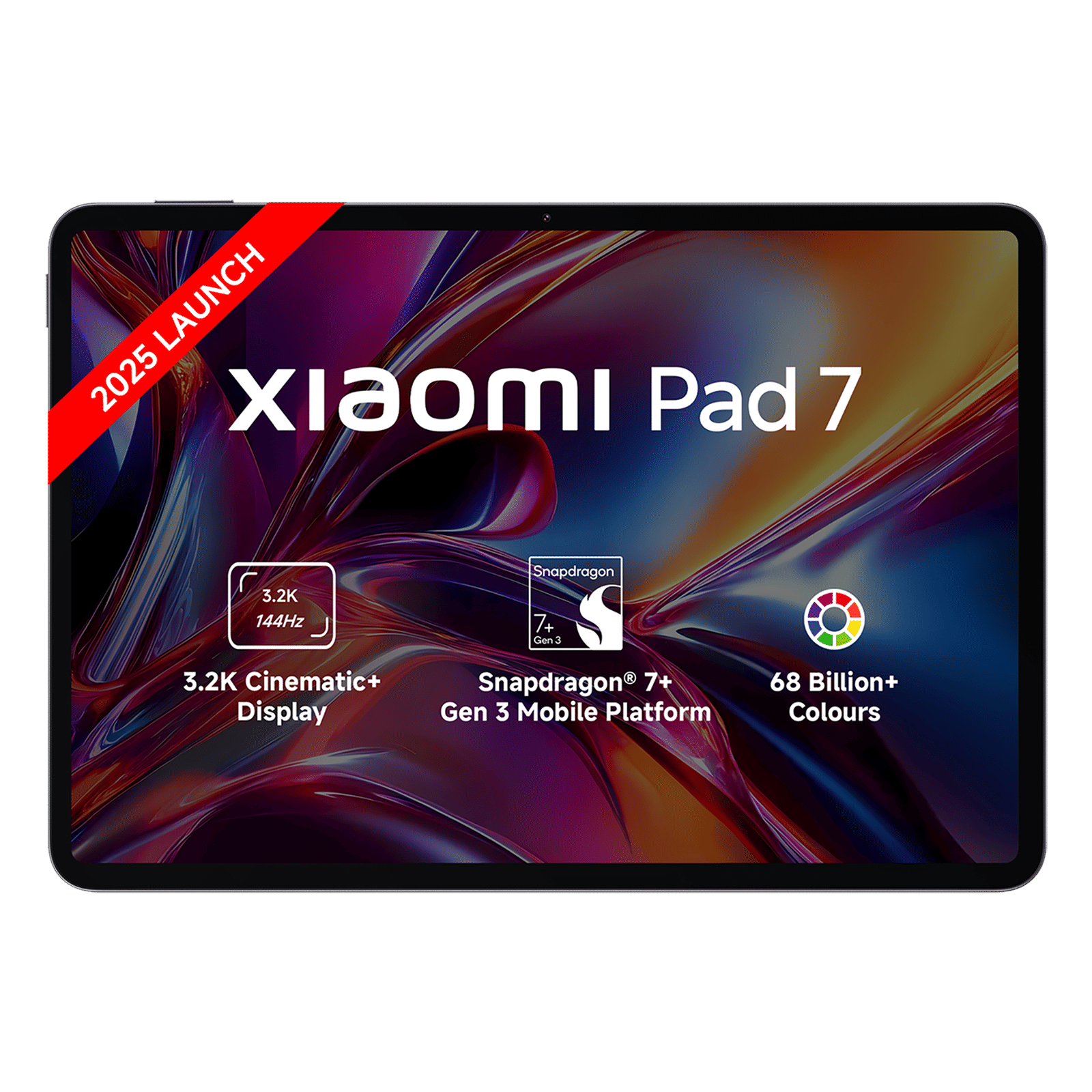
Xiaomi wastes little time flexing its hardware muscle. The Pad 8 features an expansive 11.2-inch LCD panel with a 3.2K resolution and a 3:2 aspect ratio that feels particularly suited to productivity. The real highlight, however, is the 144Hz adaptive refresh rate.
There is also a Nano Texture Display variant, which uses AG nano-texturing and AR coating to reduce reflections by around 70 per cent.
Physically, the Pad 8 keeps things sleek. Its 5.75mm thickness and metal unibody construction give it a premium feel that rivals much more expensive tablets.
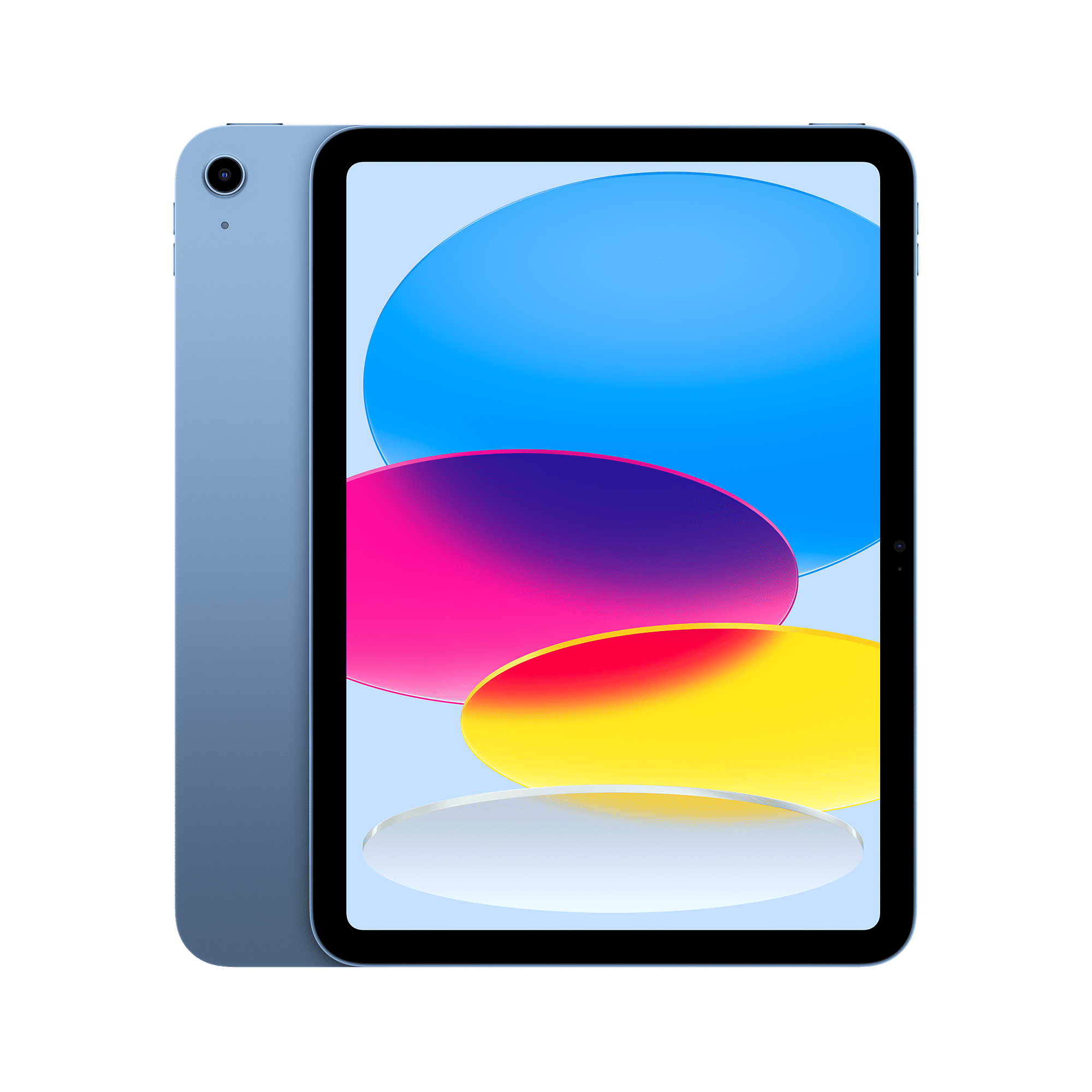
The Apple iPad (11th Gen), by contrast, takes a more conservative route. It comes with a 10.9-inch Liquid Retina display with 2360 × 1640 resolution, True Tone, and up to 500 nits brightness. What it does not have is a high refresh rate display. Everything runs at the standard 60Hz.
When placed side by side with Xiaomi’s faster panel, the difference in smoothness should become apparent. The iPad’s slightly thicker 7mm body and familiar design language also feel more traditional compared to Xiaomi’s thinner profile.
Xiaomi Pad 8 vs Apple iPad 11th Gen: Performance and software
Inside the Xiaomi Pad 8 sits the Snapdragon 8s Gen 4, paired with up to 12GB LPDDR5T RAM and UFS 4.1 storage. It is a combination that feels unapologetically flagship-level for a mid-range tablet.
Connectivity also leans toward future proofing. The Pad 8 supports Wi-Fi 7 and Bluetooth 5.4, making it ready for the next generation of wireless speeds.
Apple, meanwhile, relies on the A16 Bionic chip, a processor originally designed for the iPhone 14 Pro lineup. It features a 5-core CPU, 4-core GPU, and a 16-core Neural Engine. On paper, the specs appear modest compared to Xiaomi’s aggressive configuration.
Yet Apple’s secret weapon has always been performance optimisation. Unless you are pushing the device with heavy games or complex workloads, the difference in performance will rarely feel dramatic.
ALSO READ: iPad Air M3, iPad 11th-gen with A16 Bionic launched
Moving on to software, the Xiaomi Pad 8 runs HyperOS 3 based on Android 16, and Xiaomi has clearly leaned into productivity. The tablet supports advanced multitasking layouts such as 5:5 vertical split views and 1:9 horizontal splits for juggling multiple apps.
There is also Workstation Mode, which transforms the interface into a more desktop-like layout with a dock and windowed apps.
Apple’s iPadOS 26, however, remains one of the most refined tablet operating systems available. Features such as Stage Manager allow for smoother window management, while Safari behaves much closer to a desktop browser than its mobile counterparts.
The real difference lies in the ecosystem. Apple’s seamless handoff between iPhone, Mac, and iPad, combined with iCloud syncing and app optimisation, still gives iPadOS a level of polish that Android tablets are steadily approaching but have not fully matched yet.
Xiaomi Pad 8 vs Apple iPad 11th Gen: Battery and charging
Battery endurance on both tablets lands in similar territory, but the way they charge tells a different story. The Xiaomi Pad 8 houses a 9,200mAh battery with 45W fast charging support.
Xiaomi claims up to 9.3 hours of video playback, and its 45W faster charging means you can top it up quickly between meetings or classes. The tablet also supports reverse charging, which allows it to power smaller devices.
Apple’s iPad (11th Gen) uses a 28.6-watt-hour battery, promising around 10 hours of web browsing on Wi-Fi. While endurance is respectable, Apple still sticks to relatively slow charging speeds compared to many modern tablets. If fast top-ups matter to you, Xiaomi’s approach feels far more convenient.
Xiaomi Pad 8 vs Apple iPad 11th Gen: Cameras and audio
The Xiaomi Pad 8 features a 13MP rear camera capable of 4K video recording, paired with an 8MP front camera designed for video calls. For entertainment, it includes quad speakers with Dolby Atmos, delivering a more immersive audio experience when watching movies or gaming.
Apple counters with a 12MP rear camera and a 12MP front-facing camera with Center Stage, a feature that automatically keeps users in frame during video calls by tracking their movement.
ALSO READ: Xiaomi Pad 8 review: This tablet wants to be the one screen that rules your whole day
Audio comes from a stereo speaker setup, which sounds good but lacks the fuller spatial feel of Xiaomi’s four-speaker configuration.
Xiaomi Pad 8 vs Apple iPad 11th Gen: Price
The Xiaomi Pad 8 starts at Rs 33,999 for the 8GB + 128GB variant, while the 12GB + 256GB Nano Texture version costs Rs 38,999. Accessories remain relatively affordable, with the Focus Pen Pro priced at Rs 5,999 and the Focus Keyboard at Rs 8,999.
The Apple iPad (11th Gen) starts at Rs 34,900 for the 128GB Wi-Fi model. Once you add accessories, the costs rise quickly. The Magic Keyboard Folio costs a whopping Rs 24,900, and the Apple Pencil is priced at Rs 11,900.
The price difference between the Xiaomi and Apple accessories makes Xiaomi’s tablet a significantly more budget-friendly productivity package.
Xiaomi Pad 8 vs Apple iPad 11th Gen: Which one fits your lifestyle?
The Xiaomi Pad 8 feels like a tablet built to impress spec lovers. Its faster display, powerful hardware, quicker charging, and affordable accessories make it an excellent choice for users who want maximum hardware value.
The iPad (11th Gen), however, still holds its ground through consistency. Its polished software, strong app ecosystem, and seamless integration with Apple devices make it one of the easiest tablets to recommend for everyday use.
Choosing between them ultimately comes down to priorities. Xiaomi offers the thrill of cutting-edge hardware at a competitive price, while Apple delivers the confidence of a strong ecosystem that simply works.
Which one would you pick? Drop a comment to let us know.

Unleash your inner geek with Croma Unboxed
Subscribe now to stay ahead with the latest articles and updates
You are almost there
Enter your details to subscribe

Happiness unboxed!
Thank you for subscribing to our blog.
Disclaimer: This post as well as the layout and design on this website are protected under Indian intellectual property laws, including the Copyright Act, 1957 and the Trade Marks Act, 1999 and is the property of Infiniti Retail Limited (Croma). Using, copying (in full or in part), adapting or altering this post or any other material from Croma’s website is expressly prohibited without prior written permission from Croma. For permission to use the content on the Croma’s website, please connect on contactunboxed@croma.com
- Related articles
- Popular articles
Dhriti Datta
Comments