







There’s a moment, just before you unbox a new phone for the first time, that feels almost ritualistic. The hush before the hum of a boot-up tone. The cling of factory-applied film. The faint chemical scent of a device that hasn’t yet breathed the air of our world. Millions of us perform this ceremony every few years, and though we tell ourselves it’s about an upgrade. A faster chip, a sharper camera, but what we’re really chasing is that hit of newness, that sensory charge of starting over.
The smartphone has become the most intimate object of our age. It sits closer to our skin than our wallets, vibrates softly when someone calls, and fits perfectly into the curve of our palms. It wakes us before sunrise and outlives our attention after midnight.
Deloitte estimates that the average Indian now touches their phone over 2,400 times a day; a number that says less about dependence and more about proximity. Our phones don’t just respond to us; they speak to every sense we own. They glow, hum, vibrate, and now, even smell. They are no longer just tools for communication but extensions of perception itself.
A scent worth remembering
Dylan D’Costa, a 32-year-old developer from Mumbai, still remembers the scent of his new phone. On a humid Sunday afternoon, he lifted the lid of the box and caught a soft floral note; not the sterile tang of plastic, but something that felt alive, almost intentional.
“The moment I lifted the lid, I was hit by something completely unexpected: a scent,” he said. “Not the usual ‘new gadget’ chemical smell, but a soft floral note, almost like someone had slipped a perfume sample into the box by mistake. I actually paused, held the phone closer, and realised it was the back panel itself that carried the fragrance.”
ALSO READ: Thin-spiration: How slim smartphones are making big waves
The fragrance wasn’t mentioned in any review or product description. It didn’t need to be. It was the kind of detail meant not for comparison charts but for memory. “It was so unusual that I couldn’t help but smile,” Dylan recalls.
“There’s something strange about how quickly smell can form a memory. Every time I picked it up that day, the scent made the device feel… personal. It stopped being just another slab of metal and glass.”
He spent the next hour exploring it, feeling the buttons click, the texture of the back, the gleam of the display waiting under its film. “A good device has to feel like an extension of you,” he says.
That word ‘feel’ has quietly become the obsession of an industry that once spoke the language of logic. For years, phone launches read like automotive briefings: cores, hertz, megapixels. But the machine has caught up with human needs.
Numbers are no longer the only things that move us. The frontier of innovation isn’t just computational; it’s emotional. The devices that linger are the ones that make us feel something, in the fingers, in the eyes, sometimes even in the air around us.
The design of feeling
For Roobina Mongia, a tech influencer who’s lived through more launches than most, this shift has been unmistakable. “Display is the first thing you see when you hold the phone,” she says. “If it’s too dim or the colours feel flat, the experience immediately feels less joyful, no matter how powerful the specs are underneath. The same goes for haptics and audio: richer feedback or spatial sound can make even everyday actions like typing or watching a video feel more immersive and personal.”
She’s not speaking as a marketer but as someone who lives with these devices, documenting their quirks and charms for an audience that prizes experience over engineering. “Consumers respond to these details,” she says.
“While battery and camera still top their priority list, things like unique colours, textures, and finishes often become the differentiating factor. It’s what makes a device feel more personal and stand out in a sea of similar-looking phones.”
It’s no surprise, then, that design is no longer superficial. According to Meta’s 2024 Consumer Behaviour Index, 63 per cent of Indian buyers say colour and design influence their purchase decisions as much as specifications. In a world where most smartphones share the same rectangles, texture, weight, and finish have become the new markers of individuality.
And as Mongia points out, this emotional undercurrent matters more than we think. “At the end of the day, it’s about the experience and the way a phone makes you feel when you use it,” she says.
“For example, take the iPhone with smaller batteries or the Pixel with just one camera. Both have still won people over because they’re intuitive, simple, and deliver a smooth, enjoyable experience. That emotional connection often matters more than just raw specs,” she adds.
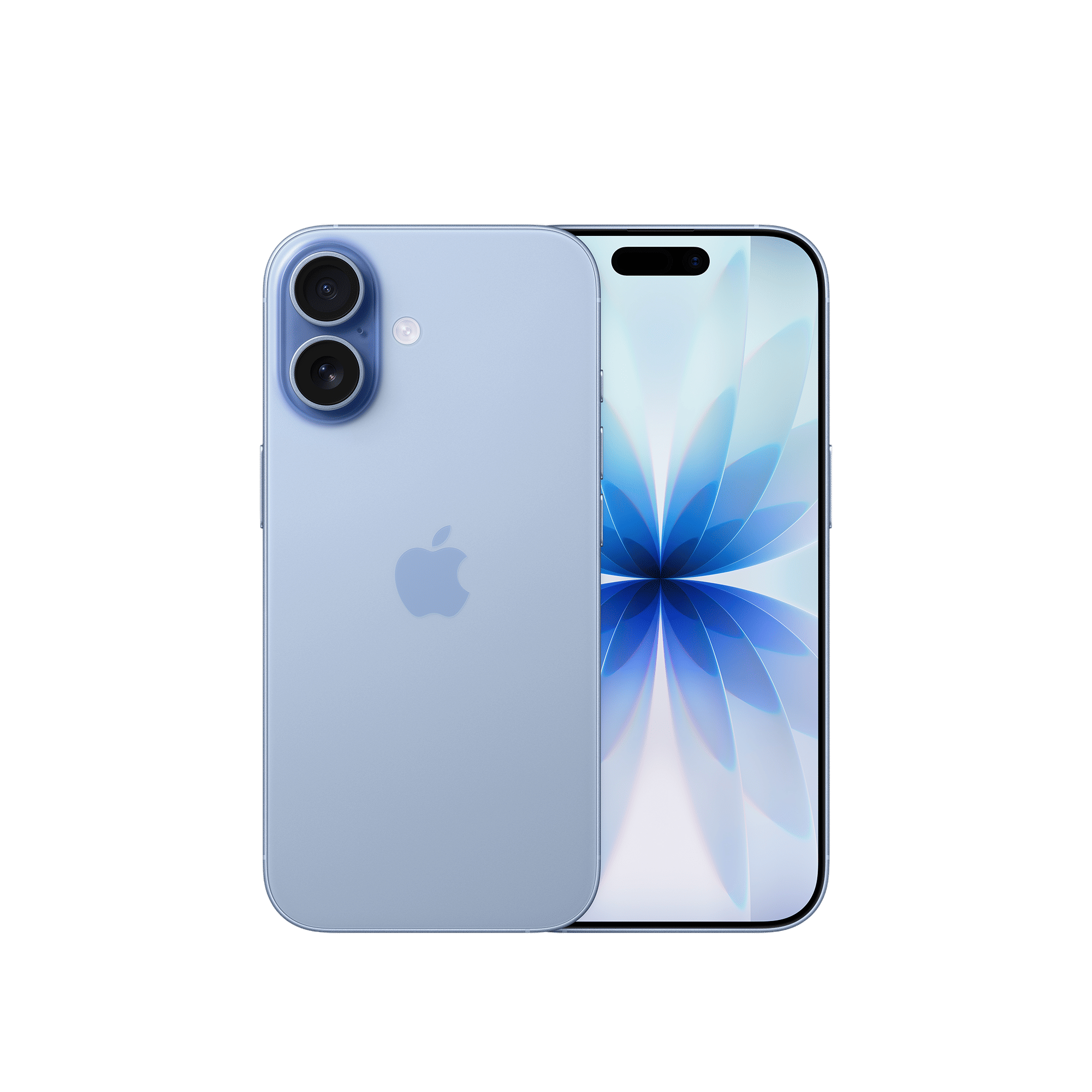
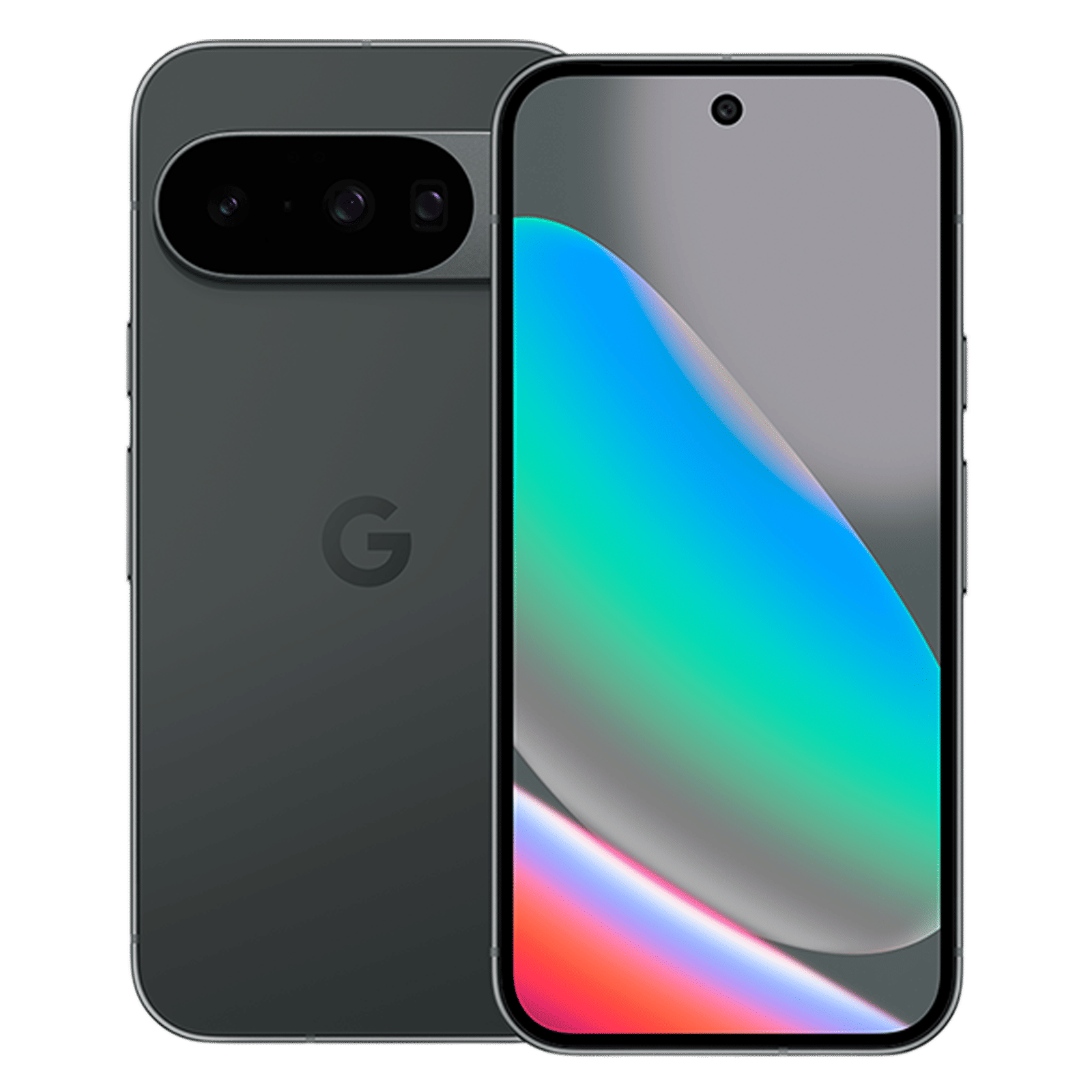
That emotional precision lives in sensory craft. The eye reads colour as emotion, the ear interprets frequency as warmth, and the fingertips register even a tenth of a millimetre in curvature. Every small detail, like the click of a button, the rhythm of animation, the sound of a notification, is calibrated to feel intuitive. When a phone scrolls “like butter”, as D’Costa describes, it isn’t just a smooth animation; it’s a psychological cue that says this belongs to you.
At Croma, where India’s buying behaviour plays out in real time, Pratik Amin, who heads the Personal Gadgets Buying Team, is witnessing this sensory instinct firsthand.
“Multisensory experiences, including displays, haptics, and sound quality, significantly influence Indian consumers’ purchasing decisions,” he says. “While performance remains a top driver, sensory experiences like display quality and sound can be deciding factors.”
“Indian customers respond positively to sensory cues like flavour-inspired colours and designs with unique textures and finishes,” he adds.

It’s an insight you can observe in any store. Shoppers brush their thumbs over matte panels, tap glass screens for responsiveness, or hold phones to their ear just to gauge the tone of a ringtone. It’s an unspoken test, not of performance, but of connection.
Once the spec sheet stops being the differentiator, the contest moves to nuance. The phone that feels better to hold, that looks just a touch warmer under light, that vibrates with a more reassuring thump, that’s the one that wins.
What the body already knows
This isn’t marketing wizardry. It’s biology. The human body is wired to recognise harmony between senses. Researchers at the University of Sussex studying “cross-modal satisfaction” found that when tactile, visual, and auditory cues work together, participants rated a device 35 per cent more pleasurable and 25 per cent more premium than those with only visual feedback.
A crisp vibration paired with smooth motion and tight audio registers as quality. A hollow click or lagging scroll feels cheap, even when the hardware is the same. We might not articulate it, but we feel it.
CyberMedia Research (CMR) has been measuring this invisible satisfaction curve. “At CMR, our consumer insights consistently highlight the rising importance of immersive audio experiences,” says Prabhu Ram, Vice President, Industry Research Group, CMR.
“Nearly 80 per cent of digital natives cite premium audio as one of the top five smartphone features in our annual consumer surveys. Beyond this group, audio quality has steadily gained traction among digital laggards over the past four years.”
ALSO READ: This smartphone promises audio performance that can rival Bluetooth speakers
Ram adds a crucial context, “While sensory features are emerging as key differentiators, traditional specifications, such as processors, remain critical, especially in an AI-first world where on-device processing is central.”
It’s a balance between logic and emotion. As processors grow smarter and lighter, they enable sensory layers, soundscapes, vibrations, and adaptive colours that shape how “alive” a device feels in the hand.
The choreography of emotion
We talk about machines as intelligent, but the real magic lies in their empathy, their ability to feel like they’re responding to us, not just obeying commands. A well-designed smartphone doesn’t demand attention; it mirrors it. The screen brightens softly instead of flaring to life. The vibration motor doesn’t buzz, it pulses, in sync with the rhythm of our own hands.
These gestures mimic breathing patterns, heartbeats, and natural pauses. Designers call this the “invisible handshake”, the moment when technology becomes an extension of the self. Or, as D’Costa puts it, “Specs get me interested; feel seals the deal. I’ll read up on processors and displays, but once I hold the phone, if it feels clunky or unrefined, I lose interest.”
ALSO READ: Foldable phones are finally hitting their stride: Here’s what is changing in 2025
Luxury has always relied on such sensory theatre, the satisfying click of a car door, the swish of fabric, the warmth of leather. Smartphones have learned that language. The firmness of a button, the gentle temperature of aluminium, even the faint resistance of the glass, all of it speaks to quality. None of these details improve performance, but they completely alter perception.
Pleasure, presence, and the next sense
As artificial intelligence and augmented reality deepen their reach, this connection is set to evolve further. Cameras already flatter skin tones automatically, speakers adapt to ambient noise, and displays shift hue to match daylight.
In UX labs from Seoul to Silicon Valley, researchers are training AI to interpret biometric signals, changes in grip, expression, or heartbeat, to anticipate emotion and respond in real time.
Imagine a phone that softens vibration when it detects stress, or releases a calming scent after long use. It sounds like sci-fi, but early prototypes already exist. What began as a novelty could soon become a wellness practice.
“Looking ahead, as AI and AR become more pervasive, personalisation and multisensory immersion, through adaptive UIs, AI-powered audio, and AR overlays, are emerging as core differentiators,” says Ram.
“Such features make daily interactions more dynamic and engaging while extending the emotional resonance of devices, often proving more persuasive than incremental hardware upgrades.”
The human echo
We call them smart, but smartphones are really sensory mirrors. Glowing companions that speak in colour, vibration, sound, and now, scent. They don’t just meet our needs; they shape how we feel.
From pixels that dazzle our eyes to perfumes that greet our noses, these devices have become the most complete sensory machines ever made. They translate light into emotion, sound into reassurance, vibration into touch.
D’Costa describes it best, saying, “When a screen scrolls like butter, paired with precise haptics; that’s just peak satisfaction.” It’s a simple description of a universal truth: the joy we feel from a well-designed phone isn’t about technology at all, it’s about how naturally it fits into our senses.
The next time you unbox one, pause. Feel the weight, the warmth, the faint buzz of anticipation. Notice the gleam, the hum, maybe even the scent. The phone, for all its circuitry, is really a mirror for sensation. Proof that even in an age of algorithms, the most advanced hardware we own is still human.

Unleash your inner geek with Croma Unboxed
Subscribe now to stay ahead with the latest articles and updates
You are almost there
Enter your details to subscribe

Happiness unboxed!
Thank you for subscribing to our blog.
Disclaimer: This post as well as the layout and design on this website are protected under Indian intellectual property laws, including the Copyright Act, 1957 and the Trade Marks Act, 1999 and is the property of Infiniti Retail Limited (Croma). Using, copying (in full or in part), adapting or altering this post or any other material from Croma’s website is expressly prohibited without prior written permission from Croma. For permission to use the content on the Croma’s website, please connect on contactunboxed@croma.com
- Related articles
- Popular articles
Dhriti Datta
Comments