







There’s something quietly momentous about switching to a new laptop. Maybe it’s the unboxing – the crackle of cardboard, the smell of fresh tech – or the feeling of starting anew with faster speeds and sharper screens.
But in that moment of excitement, there’s often a neglected companion sitting silently in the corner. Your old laptop. Outdated, maybe glitchy, but still very much real. What happens to it next is more important than you think.
The invisible weight of your upgrade
There’s one thing that is often forgotten when we buy a new gadget, and it’s the e-waste generated by your old devices. Globally, we discarded 62 billion kilograms of e-waste in 2022 alone. That’s right – 62 billion kgs of unwanted wires, dead devices, and obsolete electronics.
ALSO READ: Don’t chuck that tech: 5 simple ways to recycle electronics
To put this into context, if you lined up trucks carrying this waste bumper-to-bumper, they’d circle the entire equator! And the trajectory is only getting worse. By 2030, this figure could balloon to 82 billion kgs, effectively turning our planet into a giant scrapyard.
And what’s driving this? Fast innovation. Shorter upgrade cycles. More gadgets per household. But the flip side is grim. Only a fraction of e-waste is formally recycled, with the rest ending up in landfills or the informal sector.
What counts as e-waste, and why laptops are at the heart of it
According to the Global E-waste Statistics Partnership, e-waste includes all electrical and electronic equipment (EEE) – from phones and TVs to toasters and laptops – that is discarded with no intent of reuse. Your old laptop, even if it still powers on, fits that category the moment it’s abandoned in a drawer or dumped with household trash.
Laptops are particularly concerning because they contain hazardous materials like lead, mercury, cadmium, and lithium. These components are harmful to both the environment and human health if improperly disposed. That said, they also contain valuable resources like aluminium, copper, even gold, that can be recovered and reused if the recycling process is handled right.
Why improper disposal hurts more than you think
In India, nearly 95 per cent of e-waste is handled by the informal sector, where dismantling is often done by hand, without protective gear or environmental safeguards. This not only endangers workers – often women and children – but also pollutes ecosystems and contaminates air quality.
ALSO READ: How to protect your laptop data before you exchange it
A single laptop, when dumped or burned, can release toxic fumes and heavy metals. Multiply that by millions, and it is clear why India is staring at an e-waste crisis of sorts, with annual volumes projected to cross 1.8 million tonnes soon. That’s why it matters where and how you dispose of your old device, not just if you do it.
What can you do? Start at Croma
Since 2016, all Croma stores across India have doubled up as e-waste collection centres. Whether it’s your old laptop, a broken phone, or that outdated iron box you’ve been meaning to discard, you can drop it off at any Croma store; no purchase necessary.
Here’s how to do it responsibly:
Wipe it clean: Before handing over your laptop, delete all personal data. Remove files, photos, and sensitive documents. Then, perform a factory reset to restore it to its original settings. It’s also important to remove any SIM or memory cards that might still be inside.
Let Croma do the rest: Once collected, Croma sends your e-waste to authorised recycling partners, where it is dismantled, sorted, and processed in compliance with environmental and safety standards. Nothing is sent to the landfills.
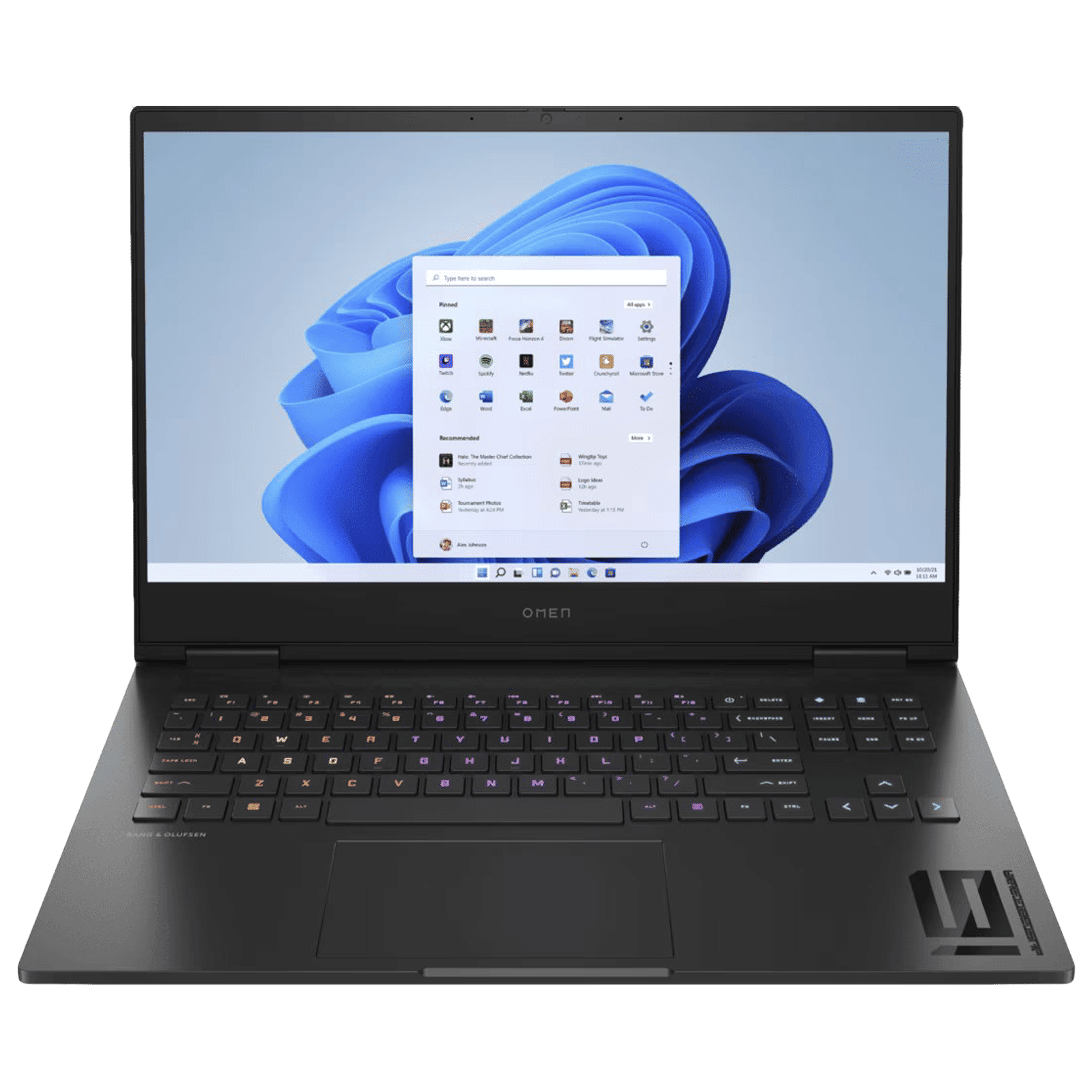
Why disposing your laptop ethically matters
Most people don’t know where to begin when it comes to discarding electronics, so they either hold onto old devices indefinitely or throw them in the trash. But every old gadget has a story, and a second life. By simply returning your device to Croma, you’re not only helping reduce toxic waste and reclaim valuable materials, but also support safer working conditions in India’s recycling sector.
It’s a small act. But in the face of a planetary e-waste crisis, small acts done consistently, are the only way forward.

Unleash your inner geek with Croma Unboxed
Subscribe now to stay ahead with the latest articles and updates
You are almost there
Enter your details to subscribe

Happiness unboxed!
Thank you for subscribing to our blog.
Disclaimer: This post as well as the layout and design on this website are protected under Indian intellectual property laws, including the Copyright Act, 1957 and the Trade Marks Act, 1999 and is the property of Infiniti Retail Limited (Croma). Using, copying (in full or in part), adapting or altering this post or any other material from Croma’s website is expressly prohibited without prior written permission from Croma. For permission to use the content on the Croma’s website, please connect on contactunboxed@croma.com
- Related articles
- Popular articles
Dhriti Datta
Comments