







A refrigerator leak occurs when the refrigerant, meant for cooling the inside, escapes from the sealed cooling system. Most modern fridges use refrigerants such as R134a or R600a, which are colourless and have no smell. These gases circulate through coils to absorb heat and keep food cold. When a leak develops, the cooling performance decreases, and the fridge may eventually stop working altogether.
Common warning signs include food spoiling faster than usual, a faint hissing sound, or oily residue near or underneath the appliance. Leaks are often the result of corrosion, regular wear and tear, or damage to internal components. Here is how to identify a refrigerator gas leak and what to do if you suspect one.
Signs your refrigerator may have a gas leak
If your fridge suddenly stops doing its job, the problem might not be the power or the thermostat; it could be a gas leak. Since refrigerants like R134a or R600a are colourless and odourless, a leak can be hard to spot unless you know what to look for.
Here are a few tell-tale signs that your fridge might be losing gas:
1. Your food isn’t staying cold
If the inside feels warmer than it should, even though the fridge is plugged in and humming away, something’s wrong. Without enough refrigerant, the cooling process slows down, and your food starts warming up faster than usual.
2. A strange smell around the fridge
While many refrigerants have no smell, some can release a faint, sharp, or chemical-like scent if they leak. If you catch a whiff of something unusual near the fridge, especially when you open the door, don’t ignore it.
3. Hissing or bubbling noises
A steady hum is normal. But if you hear a faint hiss or a bubbling sound coming from the back or bottom of the fridge, it could be gas escaping from a tiny crack or loose connection.
4. A spike in your electricity bill
When gas levels drop, your fridge has to work overtime to stay cool. That means the compressor runs longer, using more power, and you see the results in a higher-than-usual bill.
5. Oily or greasy patches near the back
Refrigerant leaks often leave behind a greasy residue. If you notice oily spots around the coils, compressor, or copper tubing, that’s a strong hint that gas is escaping.
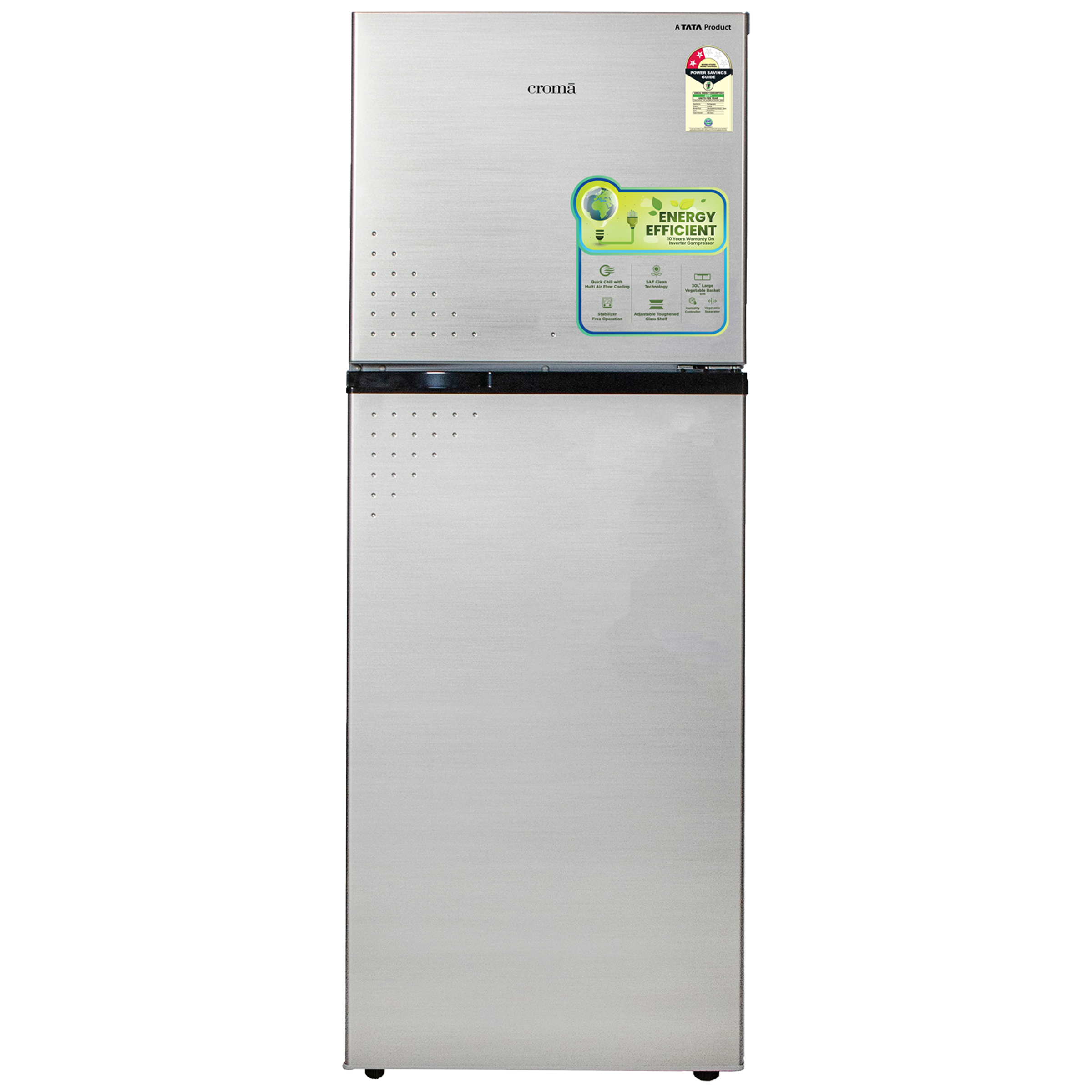

Quick refrigerator fixes you can try
If you spot one or more of the signs above, your fridge could be leaking gas. Major repairs should always be left to a professional, but there are a few simple things you can do right away to check and manage the situation:
1. Clean the condenser coils
Dusty coils make the fridge work harder and put more strain on the system. Wipe them down to help improve efficiency and reduce extra wear.
2. Check the door seal
A worn or dirty seal lets cold air escape, forcing the fridge to run longer. Clean the rubber gasket and make sure the door closes snugly.
ALSO READ: Easy ways to increase the lifespan of your fridge
3. Give the fridge a rest
Unplugging it for a few hours lets internal pressure stabilise. In some cases, this can help with minor gas flow problems.
4. Only use a leak sealant if you know what you’re doing
Refrigerant sealants can seal small leaks, but they need careful, experienced handling. If the fridge is still cooling a bit, a technician might be able to seal the leak and refill the refrigerant, but only after fixing the source of the leak.
Fridge gas systems are pressurised and sealed, and bad repairs can make the problem worse or even be dangerous. If you confirm or strongly suspect a leak, you’ll eventually need a technician to locate it, seal it properly, and refill the refrigerant.

Unleash your inner geek with Croma Unboxed
Subscribe now to stay ahead with the latest articles and updates
You are almost there
Enter your details to subscribe

Happiness unboxed!
Thank you for subscribing to our blog.
Disclaimer: This post as well as the layout and design on this website are protected under Indian intellectual property laws, including the Copyright Act, 1957 and the Trade Marks Act, 1999 and is the property of Infiniti Retail Limited (Croma). Using, copying (in full or in part), adapting or altering this post or any other material from Croma’s website is expressly prohibited without prior written permission from Croma. For permission to use the content on the Croma’s website, please connect on contactunboxed@croma.com
- Related articles
- Popular articles
Shubhendu Vatsa
Comments